Best Beginner Surf Beaches in Wales
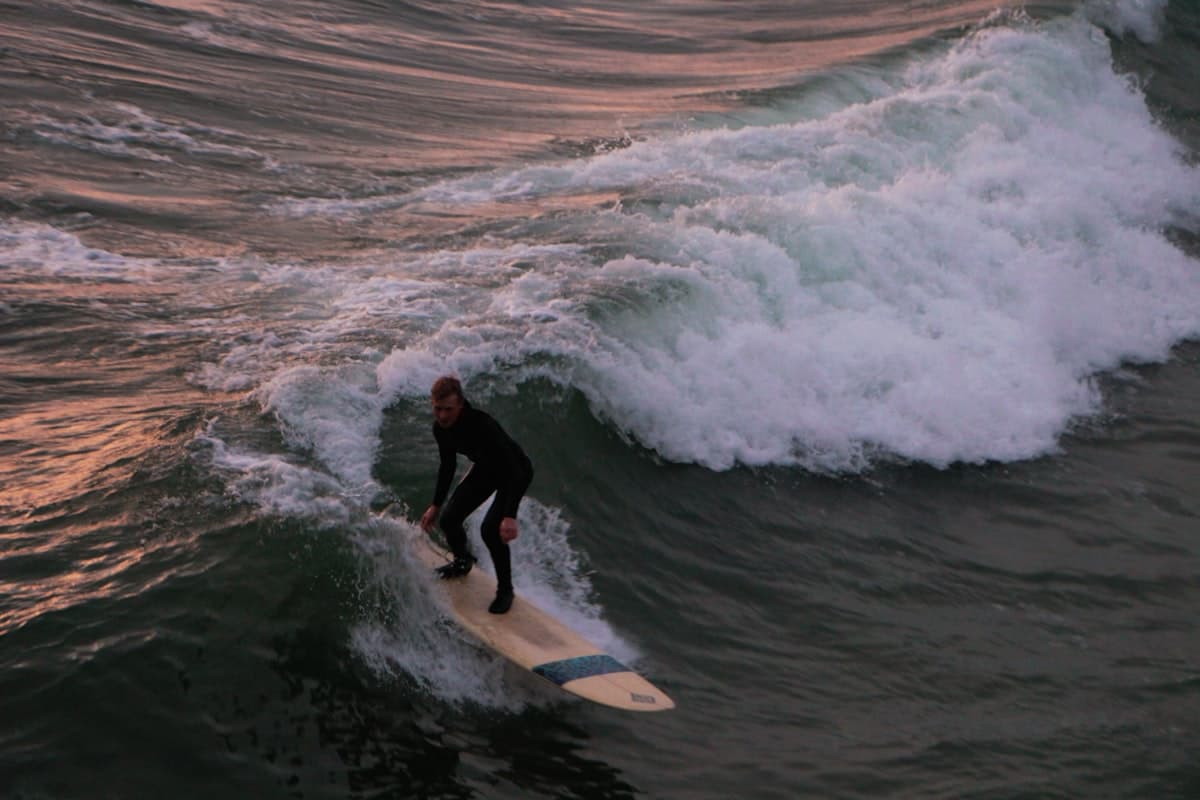
Wales isn't exactly Hawaii, but we've got some cracking beaches for learning to surf. Here's my take on where to catch your first wave, without getting hammered by the Atlantic.
Best Beginner Surf Beaches in Wales
So, you fancy having a go at surfing? Good on you! Wales might not be the first place that springs to mind, but trust me, we’ve got some belting spots for beginners. Forget the gnarly breaks of Nazaré; we're talking gentle rollers, forgiving conditions, and plenty of surf schools to get you started. Here's my rundown of the best places to learn to hang ten (or at least stand up for a few seconds) in Wales.
Gower: The Classic Choice
Gower Peninsula. A stunning bit of coastline, and a designated Area of Outstanding Natural Beauty for a reason. It's easily accessible from Cardiff and Swansea, making it a popular choice.
Llangennith: Long Beach, Long Rides
Llangennith is probably the most well-known surf beach in Wales, and for good reason. It's a huge, sandy beach that picks up a lot of swell, but the waves tend to be mellow and forgiving, perfect for learning. The sheer size of the beach means there's usually plenty of space, even on a busy summer day.
- Pros: Consistent waves, sandy bottom, surf schools right on the beach (like Llangennith Surf School, offering lessons from around £40-65), plenty of space.
- Cons: Can get crowded in peak season (July/August), the car park (£5 for the day) can fill up quickly.
- Who's it for: Ideal for absolute beginners and families.
- Getting there: About a 1-hour drive from Swansea.
- Seasonal notes: Best in autumn and winter for wave quality, but summer is fine for learning with smaller swells.
- Don't Miss: Worm's Head at low tide. Check the tide times though, you don't want to get stuck!
Caswell Bay: Smaller Waves, Convenient Location
Caswell Bay is another good option on Gower, especially if Llangennith is looking too busy. The waves are generally smaller and more manageable, making it a good choice for very nervous beginners or younger children. It's also a Blue Flag beach, meaning it's clean and well-maintained.
- Pros: Smaller waves, easily accessible, lifeguards during peak season, plenty of facilities (cafe, toilets, showers).
- Cons: Waves can be too small on some days, can get very crowded in summer.
- Who's it for: Good for families with young children and beginners who prefer smaller waves.
- Getting there: About a 20-minute drive from Swansea. Parking is available but can be expensive in summer (£6-8 per day).
- Seasonal notes: Best in summer for warmer water and smaller swells.
Pembrokeshire: Rugged Beauty and Consistent Surf
Pembrokeshire Coast National Park is all about rugged cliffs, turquoise waters, and some fantastic surf spots. It's a bit further afield than Gower, but well worth the trip if you're looking for a wilder experience. And if surfing isn't going to plan, you can always fall back on some coasteering with TYF Adventure or Preseli Venture.
Newgale: Miles of Beach, Plenty of Options
Newgale is a massive, exposed beach that picks up a lot of swell. While it can get big and powerful, there are usually sections that are suitable for beginners, especially towards the northern end of the beach. There are several surf schools operating here, including some that have lessons for £50-70.
- Pros: Consistent waves, plenty of space, several surf schools, stunning scenery.
- Cons: Can get windy, waves can be too big for beginners on some days, parking can be limited near the main access points.
- Who's it for: Good for beginners who are comfortable in slightly bigger waves, and for those who want a more remote and rugged experience.
- Getting there: About a 2-hour drive from Cardiff.
- Seasonal notes: Best in autumn and winter for wave quality, but summer can be good for learning with smaller swells.
- Top Tip: Walk further up the beach to escape the crowds.
Whitesands Bay: Picture Perfect, Sheltered Cove
Whitesands Bay is a beautiful, sandy cove backed by Carn Llidi mountain. It's more sheltered than Newgale, so the waves are generally smaller and more manageable. It's a popular spot with families and beginners.
- Pros: Sheltered location, stunning scenery, lifeguards during peak season, cafe and toilets.
- Cons: Can get very crowded in summer, parking is limited (£5-7 per day).
- Who's it for: Ideal for families with young children and beginners who prefer smaller waves.
- Getting there: About a 2.5-hour drive from Cardiff.
- Seasonal notes: Best in summer for warmer water and smaller swells.
Anglesey: North Wales Surf Spot
Anglesey isn't quite as famous for surfing as Gower or Pembrokeshire, but it does have a few decent spots, especially if you're based in North Wales.
Rhosneigr: Consistent Surf, Good Facilities
Rhosneigr is probably the best-known surf spot on Anglesey. It's a sandy beach that picks up a reasonable amount of swell, and there are several surf schools and equipment hire shops in the village. You could also try kitesurfing here with Funsport Rhosneigr or Gecko Surf, if surfing isn't cutting it!
- Pros: Consistent waves, good facilities, surf schools and equipment hire, a lively village with pubs and cafes.
- Cons: Can get crowded in summer, the waves can be a bit messy at times.
- Who's it for: Good for beginners who want a bit of a social scene and easy access to facilities.
- Getting there: About a 2-hour drive from Liverpool.
- Seasonal notes: Best in autumn and winter for wave quality, but summer is fine for learning.
Important Considerations
- Water Temperature: The sea in Wales is cold, even in summer. You'll need a good wetsuit (5mm is recommended) to stay warm. Most surf schools provide wetsuits as part of their lessons.
- Tides: Tides can have a big impact on surf conditions. Check the tide times before you go and be aware of rip currents.
- Weather: Welsh weather is notoriously unpredictable. Be prepared for rain, wind, and sunshine, sometimes all in the same day.
- Surf Schools: If you're a complete beginner, it's highly recommended to take a lesson with a qualified surf instructor. They'll teach you the basics of safety, technique, and etiquette. Look for surf schools that are accredited by Surfing GB.
- Rip Currents: Learn to spot them. They're currents that pull you out to sea. If caught in one, don't panic. Swim parallel to the shore until you're out of the current, then swim back to the beach.
- Alternative Activities: If the surf is flat, don't despair! Wales has plenty of other outdoor activities to offer. Try hiking in Snowdonia, mountain biking in the Brecon Beacons, or exploring the coastline on a coasteering adventure.
So, there you have it – my guide to the best beginner surf beaches in Wales. Get yourself down to the beach, hire a board, and give it a go. You might just surprise yourself!