Coasteering in Wales
The birthplace of coasteering — cliff jumping, wild swimming, and coastal exploration where it all began
Quick Answer — Where Should I Go?
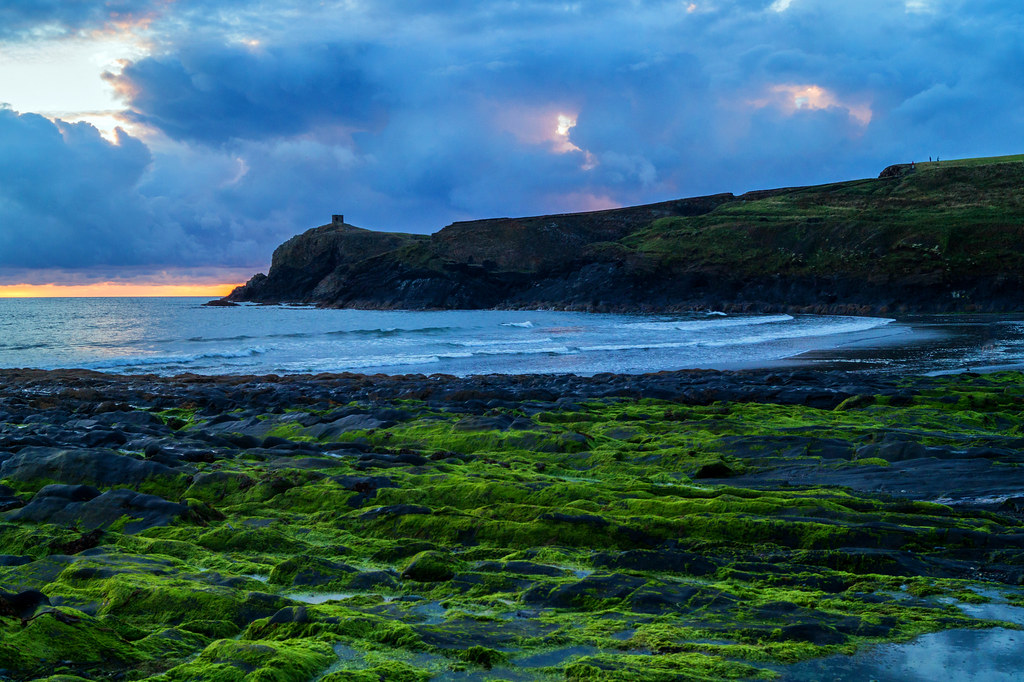
Abereiddy (Blue Lagoon)
Sheltered, gradual jumps, the birthplace of coasteering
St Davids Peninsula
Dramatic cliffs, sea caves, wildlife encounters
Rhossili, Gower
Spectacular scenery, multiple operators, good facilities
Three Cliffs Bay
Shorter sessions, sheltered spots, seal sightings
Stackpole
High jumps, sea arches, challenging swims
Coasteering was invented in Wales. Full stop. In 1986, Andy Middleton and his team at TYF Adventure in St Davids took the ancient art of exploring the coastal margin and turned it into a guided activity that has since spread across the world. Before TYF trademarked the term in the 1990s, climbers like Colin Mortlock had been exploring Pembrokeshire's sea cliffs since the 1960s — but it was that group of St Davids pioneers who created coasteering as we know it today.
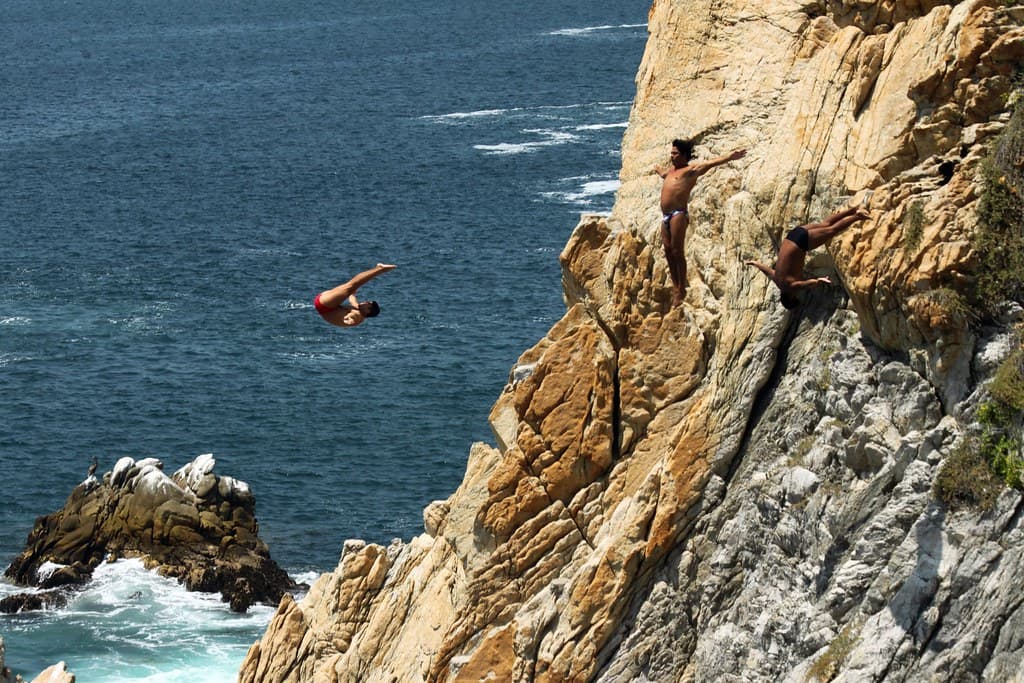
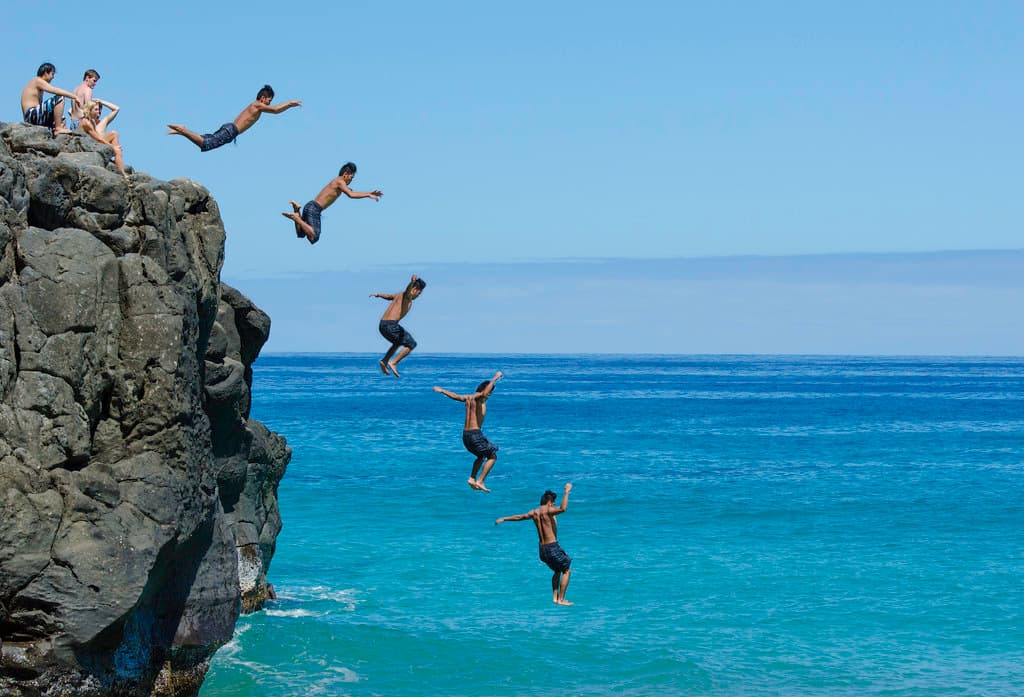
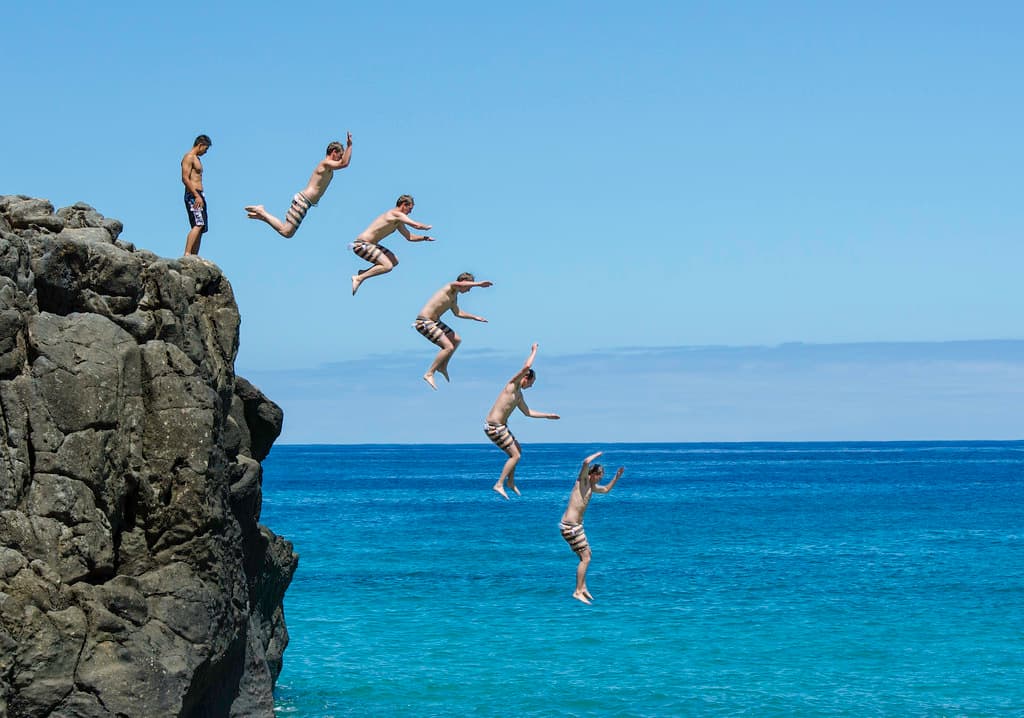
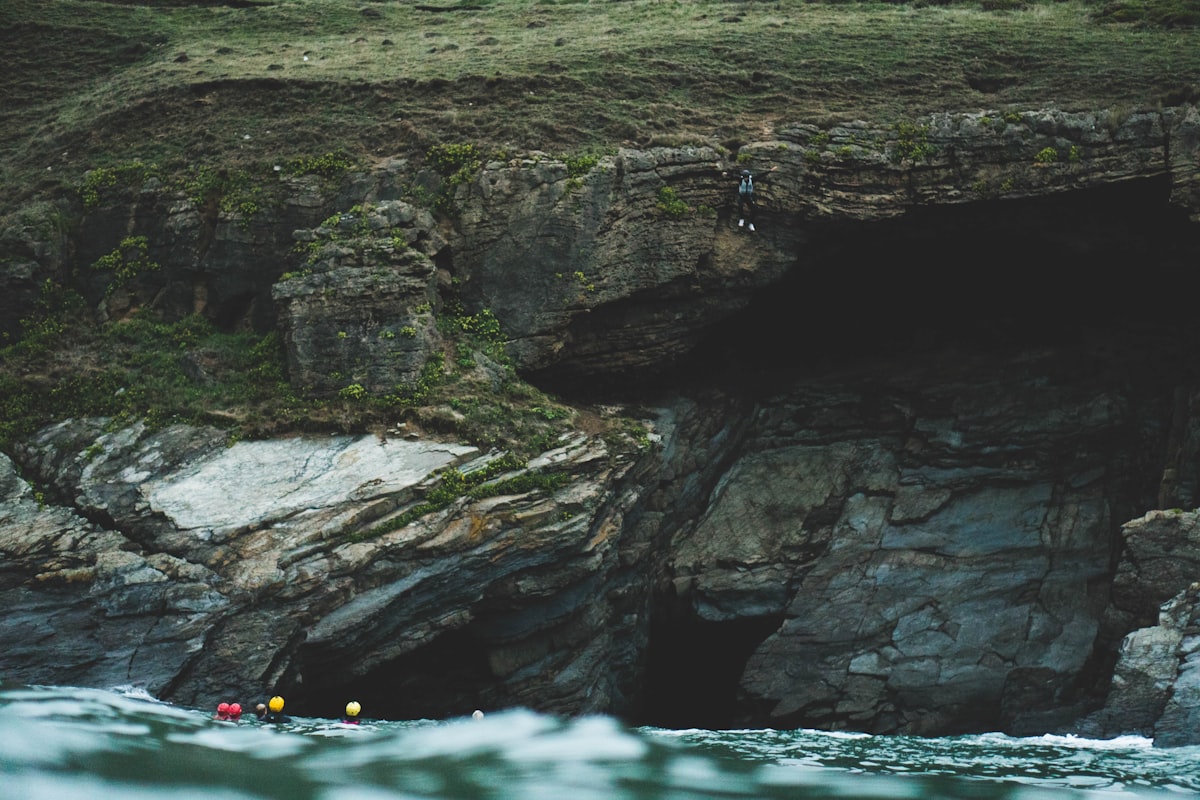
What is coasteering? It's scrambling along rocky coastlines, leaping off cliffs into deep water, swimming through sea caves, and generally treating the coast as nature's ultimate adventure playground. Unlike other water sports, coasteering doesn't require months of training — with a wetsuit, buoyancy aid, helmet, and an experienced guide, beginners can experience the thrill of cliff jumping and cave exploring on their very first session. It's accessible adventure at its finest.
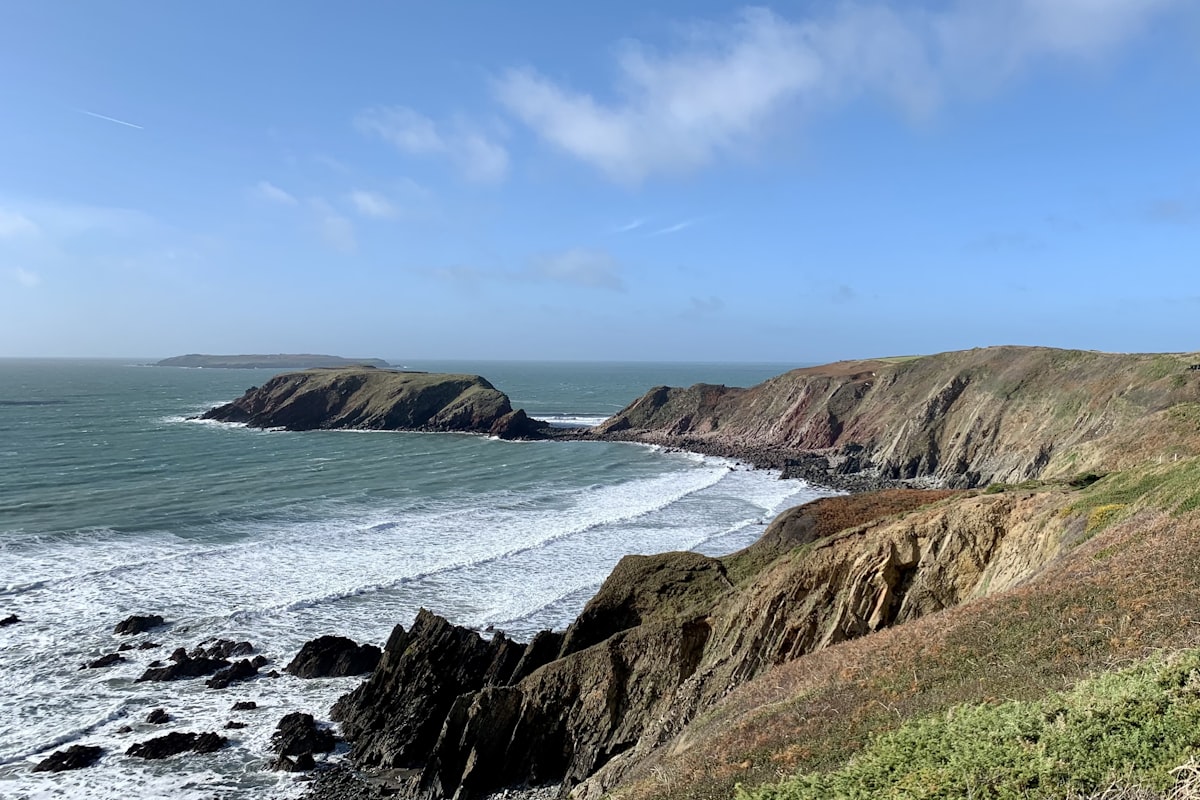
Pembrokeshire remains the undisputed world capital of coasteering. The Blue Lagoon at Abereiddy, the dramatic cliffs around St Davids Head, the caves of Stackpole — these locations offer geological features that seem purpose-built for the sport. Vertical cliffs plunge into deep water, sea caves penetrate the headlands, and natural platforms provide jumping spots from knee-trembling heights. The Gower Peninsula and Anglesey have developed their own coasteering scenes, but Pembrokeshire is where the magic began.
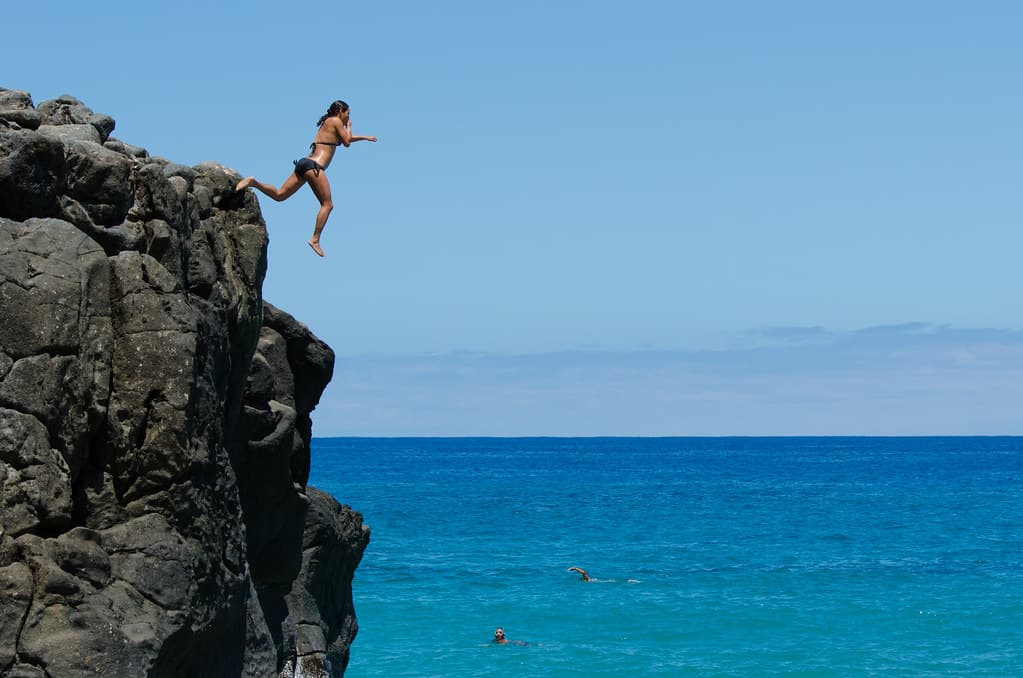
The beauty of coasteering is its adaptability. Guides assess the group and conditions, then choose a route that matches everyone's confidence. Nervous about jumping? No problem — there are always lower options or you can simply swim around. Craving adrenaline? There are cliffs where you can launch yourself from dizzying heights into the clear Welsh waters. No two sessions are ever the same, because the coast changes with every tide, every swell, every season. This is raw, elemental adventure — and Wales does it better than anywhere on earth.
What to Expect
Everything you need to know before your first coasteering session
Duration
2-3 hours typical session
Group Size
6-12 participants per guide
Gear Provided
Wetsuit, Helmet, Buoyancy aid
Activities Included
What to Bring
- Swimwear
- Old trainers with laces (essential)
- Towel
- Change of clothes
- Shorts to wear over wetsuit (optional)
Where to Go Coasteering
From the birthplace in Pembrokeshire to dramatic Gower cliffs and crystal-clear Anglesey waters
St Davids Peninsula
Classic Pembrokeshire coasteering with the original operators
Abereiddy Blue Lagoon
Iconic blue lagoon jumping and beginner-friendly sessions
Stackpole Quay
More sheltered conditions and limestone scenery
Freshwater West
Experienced coasteerers looking for wilder conditions
Rhossili & Worms Head
Gower coasteering with seal encounters
Three Cliffs Bay
Scenic coasteering in an iconic location
Rhoscolyn
Clear water and a less commercial experience
Porth Dafarch
Accessible Anglesey coasteering for beginners
Find Coasteering Near You
Explore by Region
Pembrokeshire
The birthplace and world capital of coasteering
Gower Peninsula
Dramatic limestone cliffs and grey seal encounters
Anglesey
Crystal-clear waters and remote coastal adventure
Seasonal Guide
Spring
Sea temperatures 10-13°C. Calmer conditions emerging. Some breeding seabirds — operators avoid sensitive areas. Quieter sessions.
💡 May is ideal — warmer water, longer days, before summer crowds. Seal pups from autumn are now independent and curious about swimmers.
Summer
Peak season. Warmest water (15-17°C). Longest days. Best conditions but busiest periods. Book well in advance.
💡 Book at least a week ahead in July/August. Early morning or evening sessions are quieter. The water is at its warmest but still cold!
Autumn
Water still warm (13-16°C) in September. Crowds thin. Swells increasing. Grey seal breeding season — operators take care around haul-outs.
💡 September is a sweet spot — summer water temps, fewer crowds, beautiful light. October onwards gets chilly and weather-dependent.
Winter
Cold water (8-11°C). Rough conditions common. Limited sessions available. For the dedicated only.
💡 Some operators run winter sessions for the brave. Thick wetsuits essential. Book a session then warm up in a St Davids pub.
Safety & Requirements
Requirements
- Must be able to swim 25 metres unaided
- No experience necessary — all skills taught on the day
- Moderate fitness helpful but sessions adapt to all levels
- Under 18s require parental consent (some operators have minimum ages)
- Medical conditions should be disclosed at booking
Safety Measures
- Qualified guides with lifeguard training and first aid
- Routes adapted to conditions — guides check tides, swell, weather
- No one forced to jump — alternatives always available
- Group briefing covers signals, entries, and emergency procedures
- All operators should be licensed by Adventure Activities Licensing Authority
Important Safety Note
Coasteering involves inherent risks including cold water, slippery rocks, changing sea conditions, and underwater hazards. Go with a licensed operator and follow guide instructions. Never coasteer independently unless very experienced.
Trusted Operators
Licensed, experienced, and ready to show you the coast
TYF Adventure
The original coasteering company — founded 1986. Over 200,000 participants. Highly experienced guides and the most iconic routes in Pembrokeshire.
Celtic Quest Coasteering
Specialists based at the famous Blue Lagoon. All adventures finish with jumps into the stunning blue water of the flooded slate quarry.
Preseli Venture
Eco-focused operator with on-site accommodation. Offers combined kayaking and coasteering full-day experiences. Family-friendly.
Outer Reef Surf School
Multi-activity operator covering South Pembrokeshire. Coasteering at Stackpole and surrounding areas. Also offers surfing and kayaking.
Adventures Wales
Gower specialists with sessions at Rhossili, Three Cliffs Bay, and Oxwich. Focus on wildlife and scenic coasteering. Seal encounters common.
Coasteering Wales
Anglesey specialists offering sessions at Rhoscolyn and Porth Dafarch. Clear waters and dramatic Holy Island scenery.
Book Coasteering Experiences
Coasteering
Llŷn Peninsula
Coasteering Adventure
Llŷn Peninsula
Coasteering Adventure
Pembrokeshire
Coasteering Classic
Pembrokeshire
Gower Coasteering Adventure
Gower
Adventure Trip Itineraries
Multi-day trips featuring coasteering and coastal adventures
48 Hours of Adrenaline
Non-stop thrills across North Wales
Anglesey Coastal Path Highlights
The best sections of the 125-mile loop
Anglesey Family Adventure
Island adventures for all the family
Anglesey Kayaking Explorer
Paddle around Wales' island paradise
Combine Coasteering With...
Make the most of your Welsh coastal adventure
Adventure-Friendly Accommodation
Find places to stay near Wales's best coasteering spots