Caving in Wales
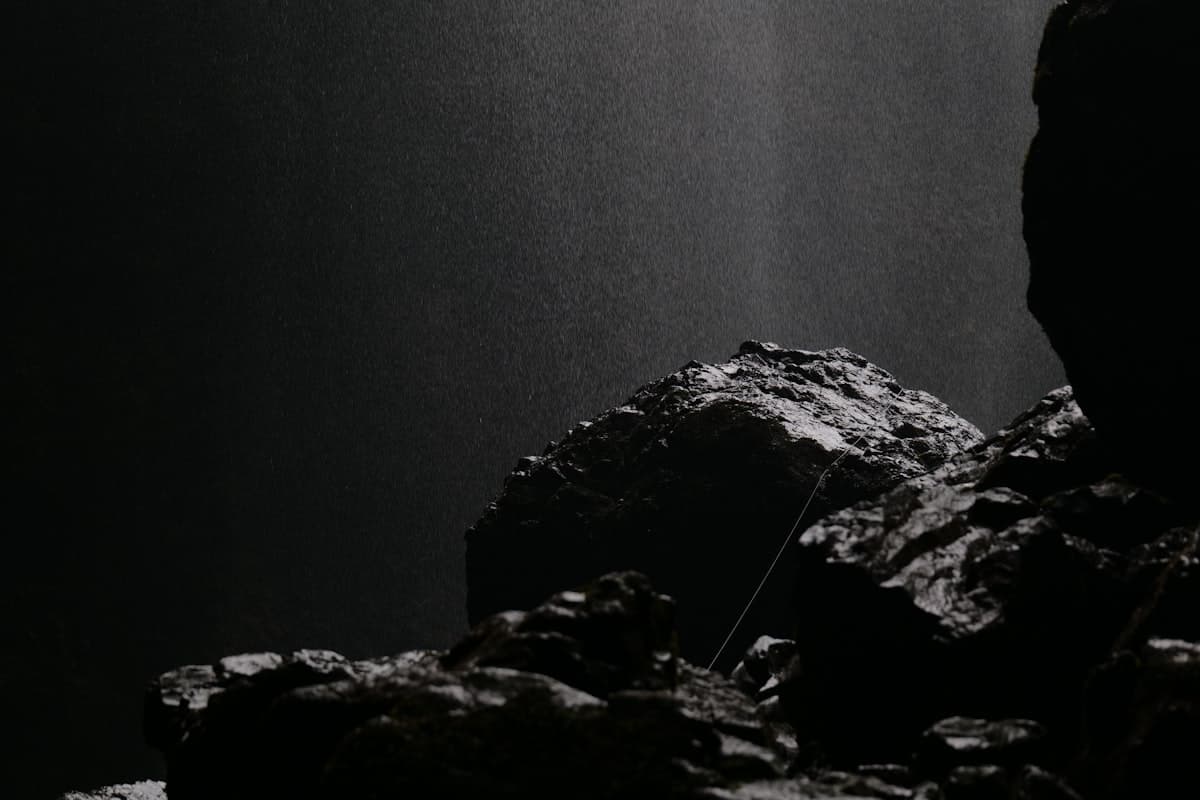
The Complete Guide to Caving in Wales
Wales is one of the UK's premier caving destinations, with cave systems that have been forming for over 315 million years. Whether you're looking for a family-friendly underground adventure or a serious expedition into one of Britain's longest cave systems, Wales delivers. Here's everything you need to know before you go underground.
Why Cave in Wales?
The South Wales valleys sit on a band of Carboniferous limestone that has been carved by water over millennia into an extraordinary network of caves. The Brecon Beacons (now officially Bannau Brycheiniog) alone contains over 300 surveyed caves, including some of the longest and deepest systems in Britain.
But it's not just about statistics. Welsh caves offer something you won't find above ground: complete darkness, profound silence, and the eerie beauty of formations that have been growing for thousands of years. It's genuinely alien territory—a world of flowstone, stalactites, and underground rivers that most people never experience.
Plus, it rains a lot in Wales. Underground, you don't notice.
The Big Decision: Show Caves or Adventure Caving?
Before booking anything, understand the fundamental difference:
Show Caves are commercial attractions with lit pathways, guided tours, and gift shops. You walk through in ordinary clothes, following paved or boarded paths. These are genuinely spectacular—Dan-yr-Ogof's Cathedral Cave has formations that would impress anyone—but they're passive experiences. You're a tourist, not an explorer.
Adventure Caving (also called potholing or spelunking) is the real thing. You wear a helmet and oversuit, crawl through mud, wade through underground streams, and squeeze through passages that seemed impossibly narrow until you discovered you could actually fit. It's physically demanding, occasionally terrifying, and utterly exhilarating. You need a qualified guide unless you're an experienced caver.
Both are valid choices. But if you want to know what caving actually feels like, you need the adventure version.
Where to Go: The Key Regions
The Brecon Beacons (Bannau Brycheiniog)
This is the caving heartland. The limestone here is riddled with cave systems, and you'll find both show caves and serious adventure caving.
Dan-yr-Ogof National Showcaves Centre (near Abercraf)
The most accessible underground experience in Wales. Three show caves—Dan-yr-Ogof, Cathedral Cave, and Bone Cave—plus a dinosaur park, Iron Age village, and museum. One ticket covers everything. Allow a full day. The caves are genuinely impressive: Cathedral Cave has 40-foot underground waterfalls and a chamber called the Dome of St Paul's. Bone Cave revealed 42 human skeletons during excavation. It's touristy, yes, but the geology is real and spectacular.
Tickets must be pre-booked online. Dress warmly—caves maintain a constant 10°C year-round. Not suitable for pushchairs (baby carriers are fine). The walk to Bone Cave involves a proper uphill trek.
Porth yr Ogof (near Ystradfellte)
The largest cave entrance in Wales—17 metres wide and 5 metres tall, where the Afon Mellte river plunges underground for 300 metres before resurfacing at the Blue Pool. This is a legitimate adventure caving site, but the entrance area is accessible to anyone. You can stand at the massive maw and watch the river disappear into darkness without any special equipment.
For the full adventure caving experience through Porth yr Ogof, you'll need a guide. The cave has an extensive maze system with features nicknamed things like the Letterbox, the Washing Machine, and Death Ledge. It's spectacular but has a serious safety history—several deaths have occurred at the exit resurgence. Never attempt the Blue Pool crossing. Operators like Black Mountain Adventure, Hawk Adventures, and Gower Adventures run guided trips here.
Ogof Ffynnon Ddu (OFD)
The deepest cave in Britain (274 metres) and second-longest in Wales (over 50 kilometres surveyed). This is serious caving territory—labyrinthine passages, streamways, pitches, and squeezes—not for beginners. Access is controlled by the South Wales Caving Club, and you'll need their permission and an experienced leader. But if you want to experience proper expedition caving, this is the place.
North Wales: Mines and Caverns
North Wales doesn't have the natural limestone cave systems of the south, but it has something equally dramatic: abandoned slate mines with cathedral-sized caverns carved by Victorian workers.
Llechwedd Slate Caverns (Blaenau Ffestiniog)
A working slate mine until the 1970s, now offering underground tours. You descend via cable railway into caverns where tableaux and projections tell the story of the slate industry. The Deep Mine tour is genuinely atmospheric—these spaces are vast, and the Victorian mining history is fascinating. Family-friendly, though the initial darkness can unsettle young children. Pre-booking essential.
Go Below (Snowdonia)
Adventure activities in disused mines—zip lines, via ferrata, climbing, abseiling, and boat rides through flooded tunnels. This is more adventure park than pure caving, but it's an excellent introduction to the underground environment.
What to Expect on an Adventure Caving Trip
Most guided adventure caving trips last 3-4 hours and follow a similar pattern:
1. Meeting and Kit-Up
You'll meet your guide at a car park or pub near the cave entrance. They'll provide a helmet with headlamp, an oversuit (to go over your clothes), and sometimes a wetsuit for wetter caves. You'll get a safety briefing covering hazards, hand signals, and emergency procedures.
2. The Entrance
Sometimes a walk, sometimes a scramble. You'll notice the temperature drop immediately. That first step from daylight into darkness is always strange.
3. Inside
Expect a mixture of:
- Walking through larger passages (often stooped)
- Crawling on hands and knees through lower sections
- Squeezing through tight gaps (the guide will choose routes appropriate to the group)
- Wading or swimming through underground streams
- Climbing over boulders and up short rock faces
Your guide will point out formations—stalactites, stalagmites, flowstone, calcite crystals—and explain how they've formed over millennia. You'll probably stop for some 'lights out' time to experience true darkness.
4. Emerging
Coming back into daylight is disorienting. You'll be muddy, possibly wet, and probably grinning. The sense of achievement is real.
Who Should Go
Adventure caving suits people who:
- Enjoy physical challenges
- Don't mind getting dirty and wet
- Can handle confined spaces (more on this below)
- Are reasonably fit—not athlete-level, but able to crawl and scramble for a few hours
- Want something genuinely different
Minimum Ages: Most operators require 8+ for adventure caving. Show caves welcome all ages.
Claustrophobia: This is the big question. True claustrophobics should not attempt adventure caving—you will be in tight spaces, and there's no quick exit. However, many people who think they're claustrophobic discover they cope fine. The key is trust: if you believe your guide knows what they're doing and the group is supportive, that helps enormously. Talk to your operator honestly before booking.
Recommended Operators
Hawk Adventures (Brecon Beacons)
Award-winning guided caving at Porth yr Ogof and other South Wales systems. Beginner to expert trips. Known for patient instruction and flexible itineraries. Meeting points at The Angel Inn, Pontneddfechan.
Black Mountain Adventure (Brecon Beacons)
Half-day and full-day caving at Porth yr Ogof. £45-85 per person depending on duration. Minimum age 8. Also offer gorge walking and climbing.
Adventure Activities Wales (North Wales)
Mine exploration near Caernarfon with rappelling, boats, and underground waterfalls. Adults £90, youths £70. Family packages available.
Dolygaer Outdoor (Brecon Beacons)
Half-day caving from £45 adult/£35 child, full-day from £65/£52. Ages 8+. Also a residential outdoor centre.
Gower Adventures (South Wales)
Porth yr Ogof trips with all equipment provided. Good option if combining with coasteering or other Gower activities.
What to Bring
Operators provide the essentials (helmet, lights, oversuit), but you'll need:
Clothes:
- Old clothes you don't mind ruining (thermal base layers ideal)
- Sturdy footwear—old hiking boots or wellies with good ankle support
- Swimwear if water is expected (ask the operator)
Afterwards:
- Towel and complete change of clothes (including underwear)
- Plastic bags for wet kit
- Warm layers for post-cave
Don't bring:
- Jewellery or valuables
- GoPros unless discussed with your operator
- Anything you'd be upset to lose
Seasonal Considerations
Winter: Caves maintain a constant temperature (around 10-12°C), so they're actually warmer than outside in winter. However, water levels can be higher after rain, affecting which routes are accessible.
Summer: Cooler underground than above—a welcome escape from rare Welsh heatwaves. Can be busier with school groups.
After Heavy Rain: Water levels in caves can rise dramatically. Operators monitor conditions and will cancel if unsafe. The River Mellte at Porth yr Ogof can transform from a gentle stream to a torrent within hours. Trust your operator's judgment.
Safety
Caving with a qualified guide in Wales is statistically very safe. However:
- Never explore caves alone without proper training and equipment
- Tell someone your plans even on guided trips
- Listen to your guide—they know the cave and current conditions
- Check water levels if self-exploring show cave entrance areas
- Carry three sources of light if venturing beyond guided tours (this is a firm caving rule)
The South Wales Cave Rescue Team handles around 20-30 call-outs per year, mostly minor incidents. Serious problems are rare but not unknown.
The Bigger Picture
Caving is one of those activities that changes how you see the world. There's an entire landscape beneath our feet that most people never encounter. The silence, the darkness, the strange beauty of formations that predate human existence—it's humbling and exhilarating in equal measure.
Wales happens to have some of the best caving in Britain. The infrastructure is here—the operators, the access agreements, the rescue teams, the caving clubs. You can start with a beginner trip at Porth yr Ogof and, if it hooks you, progress to serious expedition caving in OFD or Agen Allwedd.
Or just do it once, get muddy, squeeze through something you didn't think you'd fit through, and add an experience to your life that most people never have.
Either way, you won't regret going underground in Wales.
---
Looking for more? Check out our guides to coasteering in Wales and gorge walking in Snowdonia.