Coasteering in Wales
Coasteering in Wales
So you're thinking about coasteering in Wales? Awesome! But before you dive headfirst (literally!), let's get real about what it is and whether it's your cup of tea.
What It Actually Is
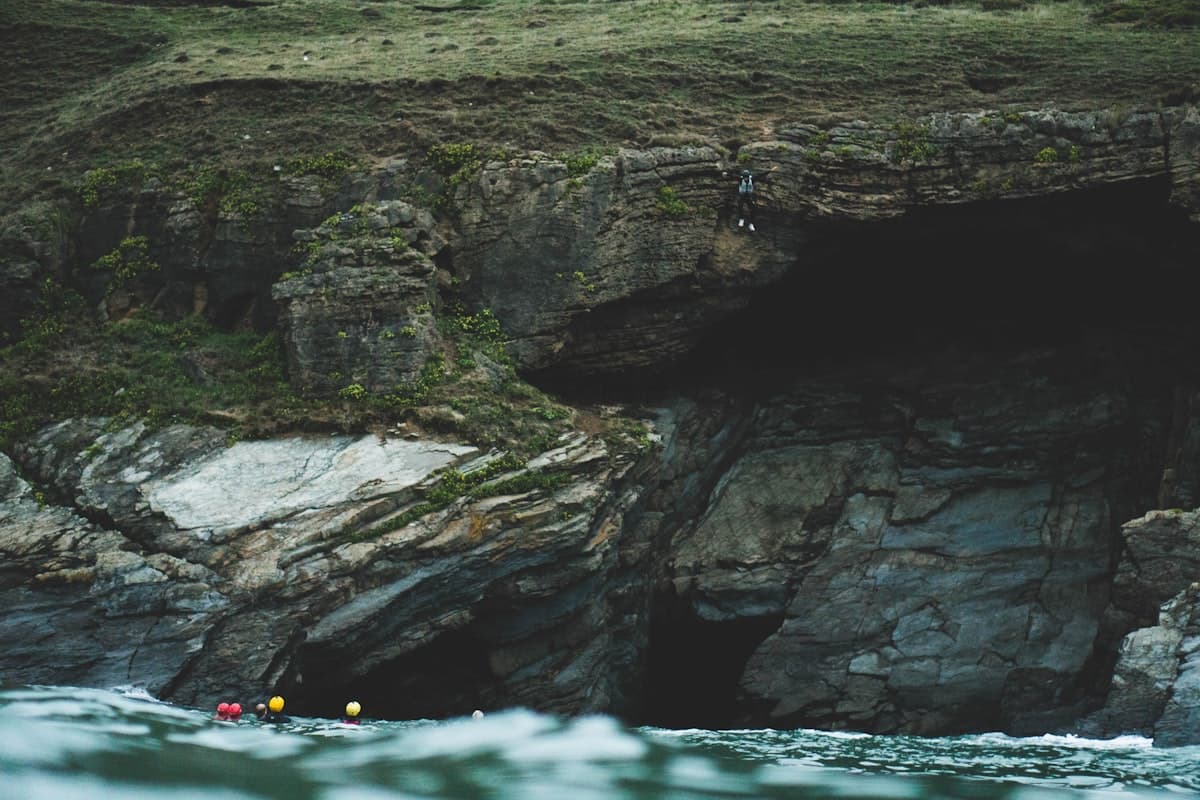
Forget the glossy brochures showing tanned athletes gracefully leaping into turquoise waters. Coasteering is essentially controlled chaos in the sea. You'll be scrambling over barnacle-encrusted rocks, swimming in chilly water (wetsuit provided, thankfully!), and yes, probably jumping off some cliffs. The jumps are often optional, but the whole point is navigating the coastline in a way that's way more adventurous than just walking along the beach. Expect to get wet, a bit scraped, and possibly a face full of seaweed. It's not a relaxing spa day; it's an adrenaline rush fuelled by salty air and the occasional yelp of surprise.
Who Loves This
Coasteering is perfect for the adventurous types, ages 10 to 60+ with a reasonable level of fitness. If you enjoy hiking, swimming, and a bit of a thrill, you'll probably dig it. It's especially great for people who like a challenge and don't mind getting a little bit roughed up. Groups of friends often love it as the shared experience creates plenty of laughs (and possibly some spectacular wipeouts to reminisce about!). It appeals to those who like to experience nature in a dynamic and engaging way.
Who Should Skip It
If you're terrified of heights, claustrophobic, or hate the feeling of being cold and wet, coasteering is probably not for you. If you have mobility issues that make scrambling over uneven terrain difficult, it's best to sit this one out. If you're expecting a leisurely swim in calm waters, prepare to be disappointed. And if the thought of potentially swallowing seawater fills you with dread, maybe stick to the coastal path. Also, coasteering can be quite physical, so if you're not generally active, you might find it quite tiring.
Where in Wales
Pembrokeshire: This is the coasteering capital of Wales. The coastline is incredibly varied, with dramatic cliffs, hidden coves, and crystal-clear water. The sheer number of operators here means you'll likely find a session that suits your level and budget. Plus, the coastal path offers stunning views.
Anglesey: Offers a different coasteering experience. The geology of the island leads to some interesting rock formations, narrow gullies and caves to explore that Pembrokeshire doesn't have. Also worth considering to avoid crowds in peak season.
Gower Peninsula: Closer to Cardiff, the Gower provides a good coasteering option if you don't want to travel too far west. The scenery is beautiful, though perhaps not quite as dramatic as Pembrokeshire.
Llŷn Peninsula: A bit more remote, but offering equally stunning scenery and fewer crowds. Perfect for a more secluded coasteering experience.
The Difficulty Spectrum
"All Levels" is a common description, but don't take it literally! Beginner coasteering usually involves smaller jumps and less challenging scrambling. You'll likely stay closer to shore and spend more time swimming. More advanced routes will involve bigger jumps, more technical climbs, and navigating more exposed sections of coastline. Be honest with the operator about your experience and comfort level, and they'll tailor the route accordingly.
Best Conditions
Coasteering is best enjoyed in calm, sunny weather. High winds can make the sea rough and unpredictable, while rain can make the rocks slippery. Spring and summer are generally the best times to go, as the water is warmer (relatively speaking!). Avoid days with very high tides, as some routes may be inaccessible. Autumn can still be good, but be prepared for cooler water and shorter days.
First-Timer Reality Check
The water will be colder than you expect, even with a wetsuit. You will probably slip and fall at some point (that's part of the fun!). Don't be afraid to ask the instructor to take it easy if you're feeling nervous. And remember, the jumps are usually optional – you can always scramble down instead. Most importantly, relax, embrace the chaos, and enjoy the stunning scenery!
How It Compares
Coasteering vs. Gorge Walking: Both involve getting wet and scrambling around in nature, but coasteering is all about the sea, while gorge walking takes place in rivers and canyons. Coasteering offers the thrill of cliff jumping and the unpredictability of the ocean, while gorge walking is more about navigating waterfalls and swimming in freshwater pools. If you prefer saltwater and coastal views, go for coasteering. If you prefer calmer waters and lush green scenery, gorge walking might be a better fit.
Coasteering vs. Kayaking: Kayaking is a great way to explore the coastline at a more relaxed pace, while coasteering is more active and adventurous. Kayaking is ideal for those who want to cover more ground and see the coastline from a different perspective, while coasteering is better for those who want a more hands-on, adrenaline-pumping experience.