Coasteering With Kids: Age Guide & What to Expect
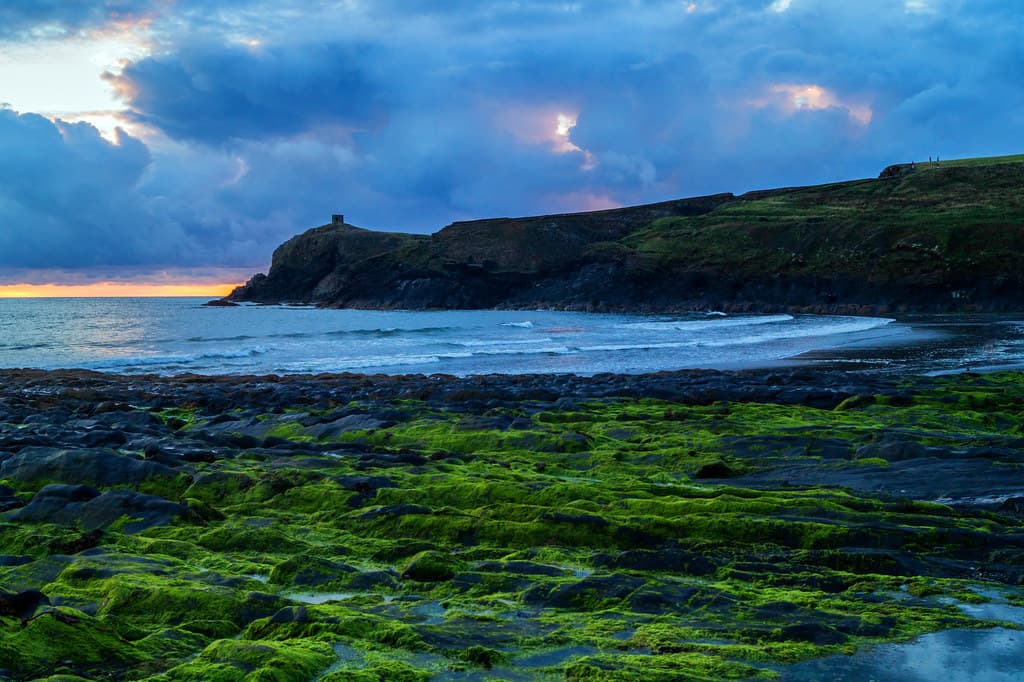
Coasteering – scrambling along rocks, swimming in the sea, and jumping off cliffs – can be an amazing family adventure, but choosing the right trip for your kids is crucial. This guide gives you the lowdown on age suitability, what to expect, and where to find the best coasteering experiences in Wales.
Coasteering With Kids: Age Guide & What to Expect
So, you're thinking of taking the kids coasteering in Wales? Good on you! It's a cracking activity, full of adrenaline, laughter, and stunning coastal views. But before you pack the wetsuits, let’s be realistic: coasteering isn't for everyone. This isn’t a walk on Barry Island beach.
Is Coasteering Suitable for My Child? The Age Question
There's no single, magic age. Different operators have different minimum age limits, usually between 8 and 12. But age alone isn't the deciding factor. Here's what to consider:
- Swimming Ability: Can your child swim confidently in open water? They don't need to be Olympic athletes, but they need to be comfortable in the sea, able to tread water for a few minutes, and ideally have some experience with waves. Remember the Irish Sea off Anglesey isn't the same as the local swimming baths.
- Confidence in the Water: Are they happy jumping into the sea? Coasteering involves jumping from rocks (optional, usually!), and a bit of nerve is required. If they're hesitant or scared of the water, this probably isn't the best first adventure. Start with some bodyboarding lessons down in the Gower, maybe at Llangennith.
- Physical Fitness: Coasteering involves scrambling over rocks, swimming, and sometimes battling currents. A reasonable level of fitness is needed. If they're not used to physical activity, start with some coastal walks first. The Pembrokeshire Coast Path is full of stunning, easier sections.
- Listening Skills: They need to be able to listen to and follow instructions from the guide. This is crucial for safety. Coasteering, after all, is a managed risk.
- Maturity: Can they handle the cold water and potential discomfort without complaining constantly? A bit of resilience goes a long way.
Operator Age Limits: A Few Examples
To give you an idea, here are a few examples of age guidelines from operators around Wales (always check directly with the operator for the most up-to-date information):
- TYF Adventure (Pembrokeshire): Typically accepts children from 8 years old for their "Coasteering Classic" experience (around £60 per person). They're based near St. Davids.
- Anglesey Adventures (Anglesey): Generally, 10 years old is the minimum, but it depends on the specific location and conditions (prices from £55-£90).
- Gower Activity Centres (Gower): Similar, usually around 8-10 years old, depending on the group size and conditions (around £55-£85).
What to Expect on a Coasteering Trip
Okay, you’ve decided your child is up for it. What happens next?
1. Booking: Book in advance, especially during school holidays. Operators like Preseli Venture and Activity Pembrokeshire in Pembrokeshire are popular. Prices are generally between £50-£90 per person depending on location and provider.
2. Gear Up: Most operators provide everything you need: wetsuit, buoyancy aid, and helmet. You'll need to bring swimwear, a towel, and closed-toe shoes that you don't mind getting wet (old trainers are ideal). Some operators, like Tenby Adventure, may have limited shoe sizes, so check beforehand.
3. Briefing: The guide will give a safety briefing, explaining the route, potential hazards, and what to do in an emergency. Listen carefully!
4. The Adventure: You'll start by walking along the coast path to the entry point. Then it's into the water! Expect to:
* Scramble over rocks: This is the core of coasteering. It can be slippery, so watch your footing.
* Swim in the sea: You'll swim between rocky sections, sometimes against currents.
* Jump off rocks: Jumps are optional, but most kids love them. The guide will assess each jump and show you the safe entry point. Start small and work your way up.
* Explore caves and gullies: Some coasteering routes include exploring small caves and gullies.
* Have fun! It's all about enjoying the experience.
5. The Finish: You'll exit the water at a designated point and walk back to the starting point. Most operators have changing facilities, but they can be basic. A flask of hot chocolate is always a winner on a chilly day!
Choosing the Right Location and Operator
Wales has some of the best coasteering locations in the UK. Here are a few of my favourites for families:
- Pembrokeshire: The undisputed capital of coasteering in Wales. The coastline is rugged and varied, with plenty of sheltered bays suitable for families. St. Davids Head is a classic spot, but Whitesands Bay is also a good option for beginners.
- Gower: The Gower Peninsula offers a slightly gentler coasteering experience than Pembrokeshire, with more sandy beaches and less exposed coastline. Port Eynon and Oxwich Bay are good starting points.
- Anglesey: The north coast of Anglesey has some stunning coasteering locations, with dramatic cliffs and clear water. Bull Bay is a popular spot. However, the tides can be strong, so choose an operator with local knowledge. Llŷn Adventures also offer coasteering on the Llŷn Peninsula.
When choosing an operator, look for:
- Experienced and qualified guides: Check their qualifications and experience. They should be qualified lifeguards and have a good understanding of the local coastline.
- Good quality equipment: Make sure the wetsuits and buoyancy aids are in good condition and fit properly.
- Positive reviews: Read online reviews to get an idea of other people's experiences.
- Clear communication: They should be able to answer your questions clearly and provide all the information you need.
Seasonal Considerations
Coasteering is best enjoyed during the warmer months, from May to September. The sea temperature is warmer, and the weather is generally more stable. However, even in summer, the Welsh weather can be unpredictable, so be prepared for rain and wind.
In winter, the sea is too cold for most people, and the conditions can be dangerous. Some operators may offer coasteering in winter, but only for experienced participants with specialized equipment.
Safety First
Coasteering is an adventurous activity, and there are inherent risks involved. However, with proper planning and guidance, it can be a safe and enjoyable experience for the whole family.
- Listen to your guide: They are the experts and know the local conditions.
- Don't be afraid to say no: If you're not comfortable with a particular jump or swim, don't do it.
- Stay with the group: Don't wander off on your own.
- Be aware of the tides: The tides can change quickly, so be aware of the tide times and heights.
- Check the weather forecast: Don't go coasteering in bad weather.
Alternatives if Coasteering Isn't for You
If coasteering sounds a bit too extreme for your family, there are plenty of other ways to enjoy the Welsh coastline.
- Kayaking or Sea Kayaking: Explore the coast at a more relaxed pace. Many operators offer guided tours suitable for families. TYF Adventure also offer sea kayaking in Pembrokeshire.
- Stand-Up Paddleboarding (SUP): A fun and easy way to get out on the water. Plenty of places offer lessons and rentals.
- Coastal Walks: The Wales Coast Path offers miles of stunning coastal walks, suitable for all ages and abilities.
- Surfing or Bodyboarding: Catch some waves at one of Wales's many surf beaches.
Final Thoughts
Coasteering with kids can be an unforgettable adventure. Just do your research, choose the right operator, and be prepared for anything. And don't forget the hot chocolate!