Gorge Walking vs Canyoning: What's the Difference?
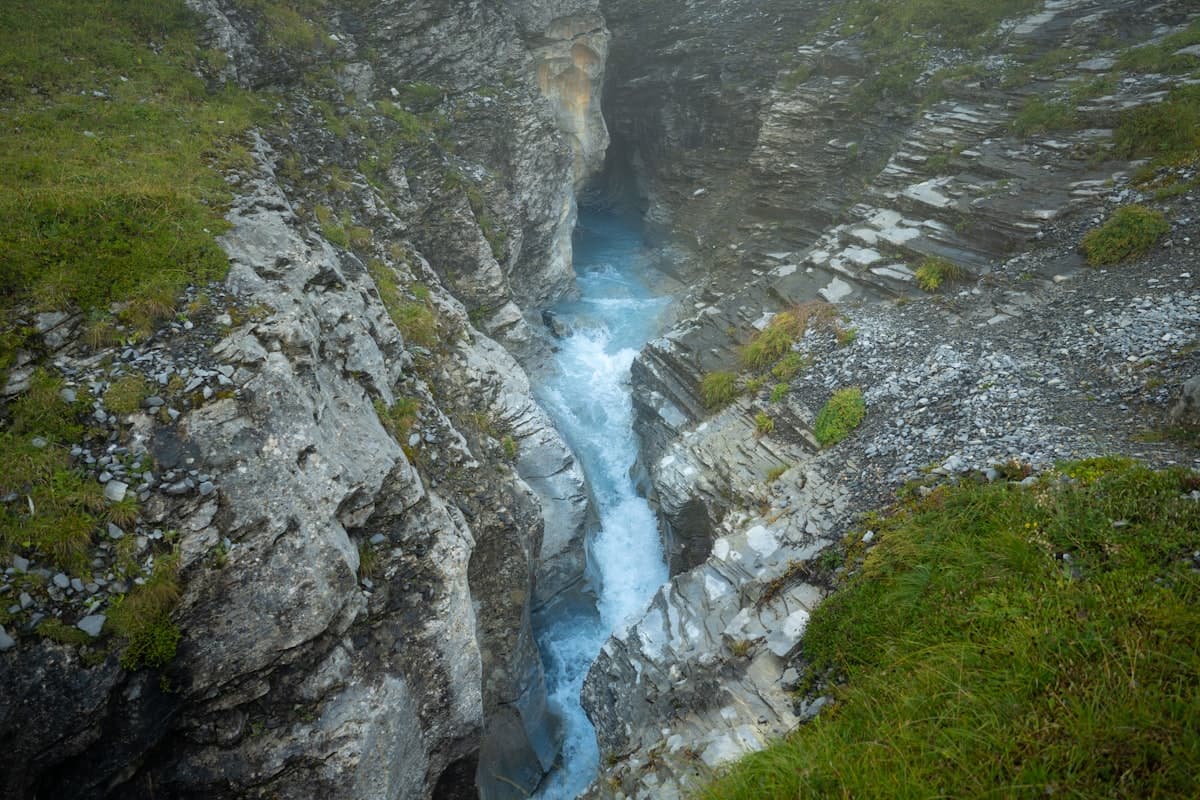
Gorge walking and canyoning both involve navigating waterways, but gorge walking typically focuses on walking, scrambling, and swimming through shallower sections, while canyoning often includes rappelling, sliding, and jumping down waterfalls in steeper, more confined canyons.
Gorge Walking vs Canyoning: What's the Difference?
So, you fancy getting wet and wild in the Welsh countryside? Good on you! But before you book that "adventure day," it's crucial to know what you're actually signing up for. People often confuse gorge walking and canyoning, and while they both involve messing about in rivers, there are key differences that can make or break your experience. Let’s break it down, Welsh-style.
What is Gorge Walking?
Gorge walking, or "gorge scrambling" as some call it, is essentially hiking through a river gorge. Picture this: you're wading through cool, clear water, clambering over mossy rocks, maybe having a swim in a deeper pool. It's about exploring the natural beauty of the gorge from the bottom up.
Think of it as a more adventurous version of a riverside walk. You'll likely encounter small waterfalls you can walk around, shallow rapids you can wade through, and rocky sections where you'll need to use your hands for balance. It's a fantastic way to get up close and personal with the Welsh landscape. It's usually less technical than canyoning, and often family-friendly in easier locations.
Where to do it:
- Brecon Beacons: This is prime gorge walking territory. The Afon Mellte near Ystradfellte is a popular spot, with several waterfalls to explore. Adventure Britain offers guided gorge walking experiences here, typically costing around £65 per person for a half-day session. They provide all the necessary gear, including wetsuits, helmets, and buoyancy aids. Parking near Ystradfellte waterfalls costs around £5.
- Gower Peninsula: While known for its beaches, Gower also has some smaller gorges suitable for walking.
- Snowdonia: Some easier sections of river gorges in Snowdonia, particularly around the fringes of the park, can be suitable for gorge walking, but be sure to check access restrictions and water levels.
Who is it for?
Gorge walking is generally suitable for most fitness levels, including families with older children (8+). You should be comfortable in water and have a reasonable level of mobility. If you're looking for a relaxed, scenic adventure that gets you close to nature, gorge walking is a great option.
What is Canyoning?
Canyoning (or "canyoneering", if you're American) takes things up a notch – or several. This involves descending a canyon using a variety of techniques, including rappelling (abseiling), jumping into pools, sliding down natural water slides, and swimming through deep sections. It’s a more technical and adrenaline-fueled activity.
Think bigger waterfalls, deeper water, and more challenging obstacles. You’ll need a good head for heights and a decent level of fitness. It's definitely not for the faint of heart.
Where to do it:
- Brecon Beacons: Again, the Brecon Beacons is the canyoning hotspot in Wales. The Sgwd Gwladus canyon (Waterfall Country) is a fantastic location, offering a thrilling descent with multiple waterfalls and pools. Adventure Britain also runs canyoning trips here, expect to pay around £95 per person. Parking is available near the starting point, but spaces can be limited, especially during peak season.
- North Wales: While not as prevalent as in the Brecon Beacons, some operators may offer canyoning experiences in certain gorges in Snowdonia or North Wales, but make sure you're going with a reputable and experienced guide.
Who is it for?
Canyoning is best suited for adventurous individuals with a good level of fitness and a reasonable head for heights. Participants should be confident swimmers and comfortable with heights, as rappelling is often involved. It’s not usually suitable for young children or those with a fear of heights.
Key Differences Summarized
| Feature | Gorge Walking | Canyoning |
| ----------------- | ----------------------------------------------- | ------------------------------------------------ |
| Difficulty | Moderate | Challenging to Extreme |
| Technique | Walking, scrambling, swimming | Rappelling, jumping, sliding, swimming |
| Equipment | Wetsuit, helmet, buoyancy aid | Wetsuit, helmet, harness, ropes, belay devices |
| Typical Terrain | Shallow rivers, small waterfalls, rocky sections | Deep canyons, large waterfalls, narrow passages |
| Adrenaline Level | Moderate | High |
What to Consider Before You Book
Before diving into either activity, ask yourself these questions:
- Fitness Level: Be honest with yourself. Can you handle several hours of walking and scrambling in cold water? Canyoning demands a higher level of fitness.
- Comfort Level in Water: Are you a confident swimmer? Both activities involve being in water, but canyoning often requires swimming in deep pools.
- Fear of Heights: Canyoning often involves rappelling down waterfalls. If you hate heights, this one's a no-go.
- Experience: Have you done anything similar before? If not, start with gorge walking and see how you get on.
- Weather: Welsh weather is notoriously unpredictable. Check the forecast before you go, and be prepared for changes. Heavy rain can make rivers dangerous, and some trips may be cancelled.
Safety First
Both gorge walking and canyoning can be dangerous if not approached with caution. Always go with a reputable and experienced guide. Adventure Britain or similar are good starting points. They will provide the necessary equipment and ensure your safety. Never attempt these activities alone, especially if you are inexperienced.
Make sure your guide is properly qualified and insured. Check that they have a good understanding of the local conditions and that they have a safety plan in place. Listen carefully to their instructions and follow them at all times.
What to Pack
Here's a basic packing list for both activities:
- Wetsuit: Most operators will provide this, but check beforehand.
- Footwear: Sturdy shoes with good grip are essential. Old trainers or walking boots are ideal.
- Towel: For drying off afterwards.
- Change of Clothes: You'll definitely want dry clothes for the drive home.
- Waterproof Bag: To protect your valuables.
- Snacks and Drinks: Keep your energy levels up.
Alternatives and Combining Activities
If you enjoy the water, why not try coasteering in Pembrokeshire? TYF Adventure and Preseli Venture are good choices for that. Coasteering involves traversing the coastline, scrambling over rocks, swimming in gullies, and jumping into the sea. It's another adrenaline-pumping activity that's perfect for adventurous souls.
Or, if you prefer to stay on dry land, you could explore the Brecon Beacons on foot. There are countless hiking trails to choose from, ranging from gentle riverside walks to challenging mountain ascents.
For example, you could combine a gorge walking trip with a visit to BikePark Wales for some downhill mountain biking. Or, after your canyoning adventure, you could relax on the beaches of the Gower Peninsula and try your hand at surfing.
Final Thoughts
Gorge walking and canyoning offer two very different ways to experience the Welsh landscape. Gorge walking is a more relaxed and accessible activity that's perfect for families and those looking for a scenic adventure. Canyoning is a more challenging and adrenaline-fueled activity that's best suited for experienced adventurers. Choose wisely, stay safe, and enjoy the thrill of exploring Wales' wild waterways! Remember to book in advance, especially during the summer months. Prices may vary slightly depending on the operator and the specific location. And don't forget to check the weather forecast before you go! Now get out there and get wet!