Kayaking & Canoeing in Wales
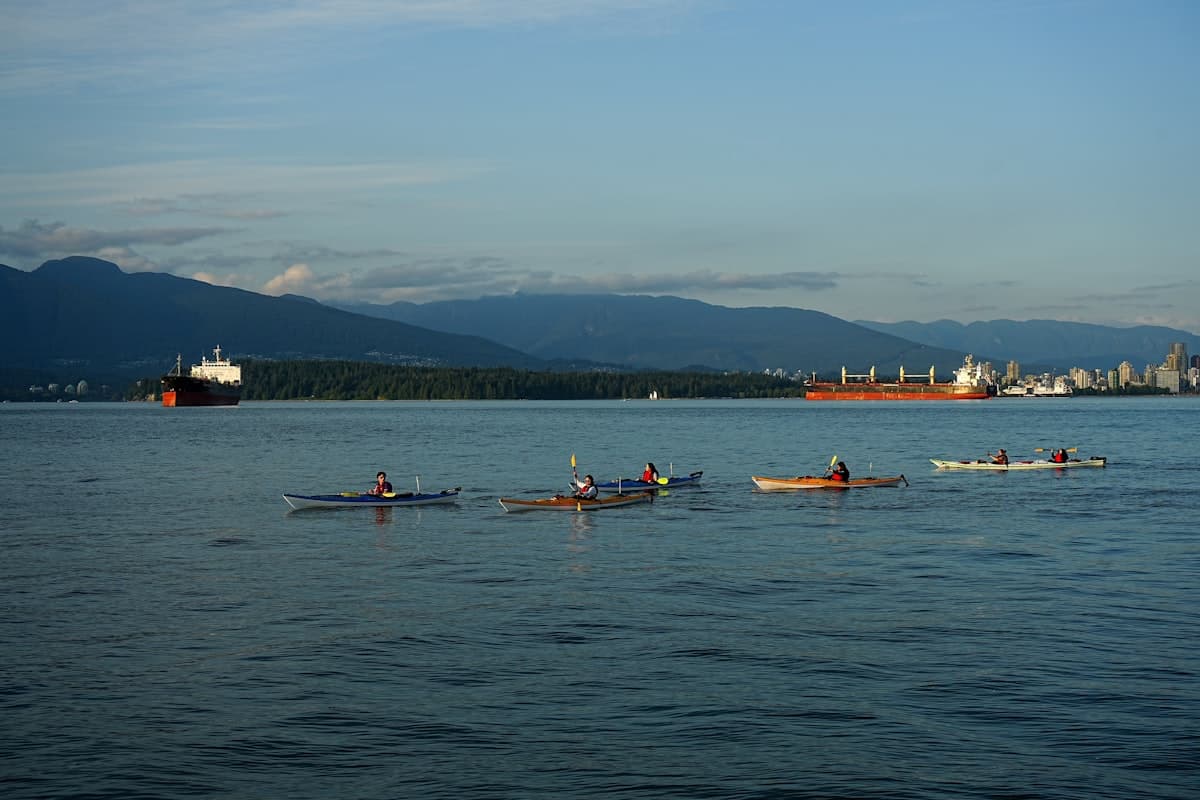
Kayaking & Canoeing in Wales
So, you're thinking about getting out on the water in Wales in a kayak or canoe? Awesome! Let's see if it's the right fit for you.
What It Actually Is
Forget the glossy brochures of people effortlessly gliding through turquoise waters. Kayaking and canoeing in Wales can be those things, but it's also a workout, a test of balance, and sometimes, a battle against the elements. You'll be sitting (or kneeling) for a prolonged period, using your core and arms to propel yourself, and generally getting wet – sometimes more than you bargained for. It includes options like gentle paddles down rivers, exploring calm bays, and even tackling open sea. Stand-up paddleboarding (SUP) is similar, but demands more balance (you're standing, obviously!) and often results in more dunkings, especially for beginners. Expect to feel it in your arms and core the next day.
Who Loves This
This activity is perfect for people who enjoy being outdoors, don't mind a little physical exertion, and like exploring at a slower pace. Families with older kids (8+) often enjoy the calmer river trips. It also appeals to those who like a sense of adventure, especially sea kayaking where you can explore hidden coves and see wildlife. It's great for people who want a unique perspective of the Welsh coastline and countryside, and who are comfortable learning new skills. If you're a nature lover, enjoy bird watching, or just want to get away from the crowds, this could be right up your street.
Who Should Skip It
If you absolutely hate getting wet, are terrified of open water, or have significant mobility issues that prevent you from paddling or getting in and out of a kayak/canoe, then this probably isn't for you. Also, if you're looking for a high-adrenaline, thrill-seeking activity, kayaking and canoeing might feel a bit too tame. Those who are easily seasick should seriously consider sticking to calmer rivers or lakes. And if the idea of relying on your own physical strength to get you from point A to point B fills you with dread, maybe try something else.
Where in Wales
- Pembrokeshire Coast: This is the king of sea kayaking in Wales. It has dramatic cliffs, stunning beaches, and crystal-clear water. You'll find plenty of sheltered bays for beginners, but also more challenging stretches for experienced paddlers. The sheer variety of coastline makes it a winner.
- Anglesey: Similar to Pembrokeshire, but with its own unique character. Anglesey has quieter coves, especially on the north coast. It's a great option if you want to escape the crowds you might find in Pembrokeshire during peak season.
- Llŷn Peninsula: Another beautiful coastal option, offering a mix of sandy beaches and rugged cliffs. Often less crowded than Pembrokeshire or Anglesey, the Llŷn Peninsula offers a more remote feel.
- Mid Wales (River Wye): For calmer canoeing, the River Wye is ideal. It's a gentle, meandering river that's perfect for beginners and families. The scenery is stunning, with wooded banks and rolling hills.
The Difficulty Spectrum
"All Levels" can be misleading! Here's what to expect:
- Beginner (River/Lake): Expect a short paddle (2-3 hours) on calm water with basic instruction. You'll learn how to hold the paddle, steer, and maybe do a simple rescue. Capsizing is unlikely.
- Beginner (Sea): Still suitable for novices, but expect to paddle on the sea in a relatively sheltered bay with close supervision. You'll be taught basic sea kayaking skills, like how to deal with currents and waves. You might capsize, but the instructor will be right there to help.
- Intermediate (Sea): Longer paddles (4+ hours), potentially in more exposed conditions. You'll need some previous kayaking experience and a reasonable level of fitness. Expect to encounter some waves and currents.
- Advanced (Sea): Multi-day expeditions, challenging conditions, and a high level of self-sufficiency. This is for experienced sea kayakers only.
Best Conditions
The best time to go kayaking or canoeing in Wales is during the shoulder seasons (May-June and September-October). The weather is often still good, but the crowds are thinner. For sea kayaking, calm seas and sunny skies are ideal. Always check the weather forecast and tidal conditions before heading out. Wind is your enemy - it can make paddling significantly harder and more dangerous. Avoid kayaking after heavy rain, especially on rivers, as water levels can rise quickly.
First-Timer Reality Check
Okay, so you've never done this before? Don't expect to be a pro straight away! You will feel awkward at first. Your arms will get tired. You might get a bit sore. And you might even fall in. But that's all part of the fun! Listen carefully to your instructor, don't be afraid to ask questions, and most importantly, relax and enjoy the experience. And don't wear cotton - it gets cold when wet. A synthetic base layer is your friend.
How It Compares
- Kayaking/Canoeing vs. Coasteering: Coasteering is all about scrambling along rocks and jumping into the sea. It's more adrenaline-fueled and physically demanding. Kayaking/Canoeing offers a more relaxed pace and the chance to explore further afield.
- Kayaking/Canoeing vs. Surfing: Surfing requires a lot of skill and patience. You'll spend most of your time wiping out. Kayaking/Canoeing is easier to pick up and allows you to cover more ground.
- Kayaking/Canoeing vs. Gorge Walking: Gorge walking involves hiking and swimming through a river gorge. It's a great way to experience the Welsh countryside up close. Kayaking/Canoeing offers a similar experience but from the water. Choose based on if you prefer walking or paddling!