Kitesurfing in Wales
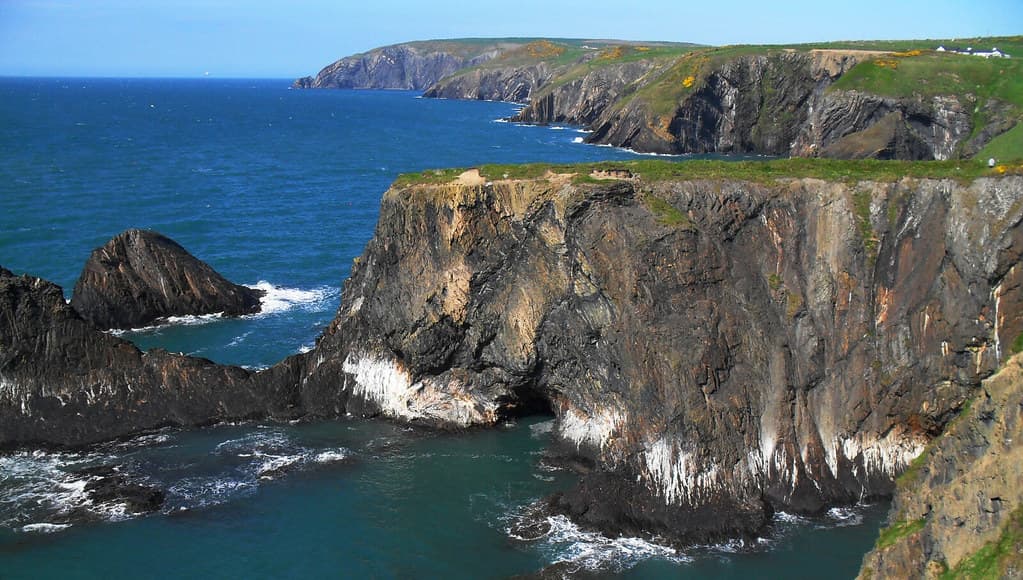
Kitesurfing in Wales offers adrenaline junkies a thrilling experience, but it's not for the faint of heart. This guide will help you navigate the best spots, gear, and potential hazards, ensuring you're prepared for a wild ride on the Welsh coast.
Kitesurfing in Wales
So, you fancy kitesurfing in Wales, do you? Good on ya. Forget about postcard images; this isn't the Med. It's bracing, challenging, and when the wind's howling and the waves are pumping, absolutely brilliant. But let's be straight, it’s not something you just rock up and try. This guide will steer you right, from choosing a location to knowing what gear you need and the risks involved.
Where to Kitesurf in Wales
Wales might be small, but it packs a punch when it comes to kitesurfing locations. Here are a few of my favourites:
- Rhossili Bay, Gower: (gower) A classic. This wide, sandy bay offers consistent winds, particularly in the autumn and winter months. The waves can get pretty decent too, providing a good mix of flat water and wave riding. Parking can be a pain – expect to pay around £6 for the day at the National Trust car park, and it fills up quickly on weekends. This is a good option if you also fancy a hike along the Worm's Head. (link to hiking in gower)
- Newborough Beach, Anglesey: (anglesey) Another beauty. Miles of sand, stunning views of Snowdonia (snowdonia) across the water, and reliable winds make this a popular spot. It can get busy, especially in the summer, but there's plenty of space to spread out. There's a forest right next to the beach too so if you fancy some shelter from the wind or a bit of forest bathing, you're in luck. Parking's about £7 for the day. Be aware of tidal currents here – they can be strong.
- Aberdovey, Gwynedd: (mid-wales) More of an estuary than an open beach, Aberdovey offers flatter water conditions, making it ideal for beginners or those wanting to practice freestyle tricks. Wind can be a bit gusty here sometimes, but it’s generally reliable. There's a paid car park in the village, and it's within walking distance of the beach. Watch out for the boats and other water users.
- Black Rock Sands, Porthmadog: (llyn-peninsula) You can drive right onto the beach here, which is handy for lugging gear. It's a wide, sandy expanse, so plenty of room to play. This place can get very busy during the summer holidays, so arrive early. Parking on the beach itself is around £5. The wind can be a bit fickle here, but when it's on, it's on.
Choosing the Right Spot
Consider these factors when choosing a kitesurfing location:
- Wind direction: Make sure the spot is suitable for the prevailing wind direction. Side-onshore or onshore winds are generally safer than offshore winds.
- Tide: Check the tide times before you go. Some spots are only suitable at certain states of the tide.
- Hazards: Be aware of any potential hazards, such as rocks, sandbanks, or other water users.
- Your ability: Choose a spot that is appropriate for your skill level. Don't go charging into Rhossili when it's 30 knots and the waves are breaking if you're still learning to get up on the board.
Gear You'll Need
Kitesurfing gear isn't cheap, but it's an investment if you're serious about the sport. Here's a breakdown of the essentials:
- Kite: This is the engine. Sizes range from 5m to 17m, depending on the wind strength and your weight. A beginner-friendly kite will cost you around £800-£1500 new.
- Board: Twin-tip boards are the most common type for kitesurfing. Again, prices range from £400-£1000 new.
- Harness: This connects you to the kite and distributes the power. Expect to pay around £150-£300.
- Bar and Lines: This is how you control the kite. A good quality bar and lines will set you back around £300-£500.
- Wetsuit: Essential for the Welsh climate, even in summer. A good quality 5/3mm wetsuit is recommended, along with boots, gloves, and a hood for the colder months. Budget around £200-£400 for a decent wetsuit setup.
- Buoyancy Aid/Impact Vest: Provides extra floatation and protection. Around £80-£150.
- Helmet: Non-negotiable. Protect your noggin. £50-£100.
Renting vs. Buying
If you're just starting out, renting gear is a good option. Several kitesurfing schools and centres around Wales offer rentals. Expect to pay around £60-£80 per day for a full set of gear. Once you're confident you want to pursue the sport, buying your own gear is a worthwhile investment.
Learning to Kitesurf
Don't even think about trying to teach yourself. Kitesurfing can be dangerous if you don't know what you're doing. Book a course with a qualified instructor.
- Where to learn: Many kitesurfing schools operate in Wales. Look for BKSA (British Kitesports Association) approved schools for quality tuition. Some of the aforementioned spots like Rhossili Bay, Aberdovey and Newborough are all good places to start.
- What to expect: A typical beginner course will cover kite handling, safety systems, launching and landing, body dragging, and board starts.
- Cost: Expect to pay around £300-£500 for a three-day beginner course.
Safety First
Kitesurfing is an extreme sport, and it's important to take safety seriously.
- Check the weather forecast: Don't go out if the wind is too strong or gusty, or if there are thunderstorms forecast.
- Know your limits: Don't push yourself beyond your abilities.
- Use the buddy system: Always kitesurf with a friend or let someone know where you're going and when you expect to be back.
- Be aware of your surroundings: Watch out for other water users, obstacles, and changes in the tide.
- Carry a knife: For cutting your lines in an emergency.
- Insurance: Make sure you have adequate insurance cover. Many home insurance policies won't cover extreme sports.
Seasonal Considerations
Kitesurfing in Wales is possible year-round, but the best time is generally from spring to autumn.
- Spring: The winds start to pick up, and the water is starting to warm up (relatively speaking!).
- Summer: The warmest months, but the wind can be less reliable. Expect crowded beaches.
- Autumn: My favourite time of year. Consistent winds, fewer crowds, and the sea is still relatively warm.
- Winter: For the hardcore only. Gale-force winds and freezing water temperatures. You'll need a thick wetsuit and plenty of experience.
Beyond Kitesurfing
Wales has plenty to offer besides kitesurfing. If the wind drops, or you just fancy a change, why not try some of these activities?
- Surfing: Catch some waves at Llangennith or Freshwater West.
- Coasteering: Explore the coastline from a different perspective with TYF Adventure in Pembrokeshire (pembrokeshire). (link to coasteering in pembrokeshire)
- Mountain biking: Hit the trails at Coed y Brenin (snowdonia) or BikePark Wales (brecon-beacons).
- Hiking: Climb Snowdon (snowdonia) or explore the Brecon Beacons (brecon-beacons).
Final Thoughts
Kitesurfing in Wales isn't always easy, but it's always rewarding. With the right gear, knowledge, and a healthy dose of respect for the elements, you can experience the thrill of riding the waves in one of the most beautiful and challenging coastlines in the world. Just remember to stay safe, have fun, and respect the locals. Now get out there and send it!