Mountain Walking: The Best Welsh Peaks Beyond Snowdon
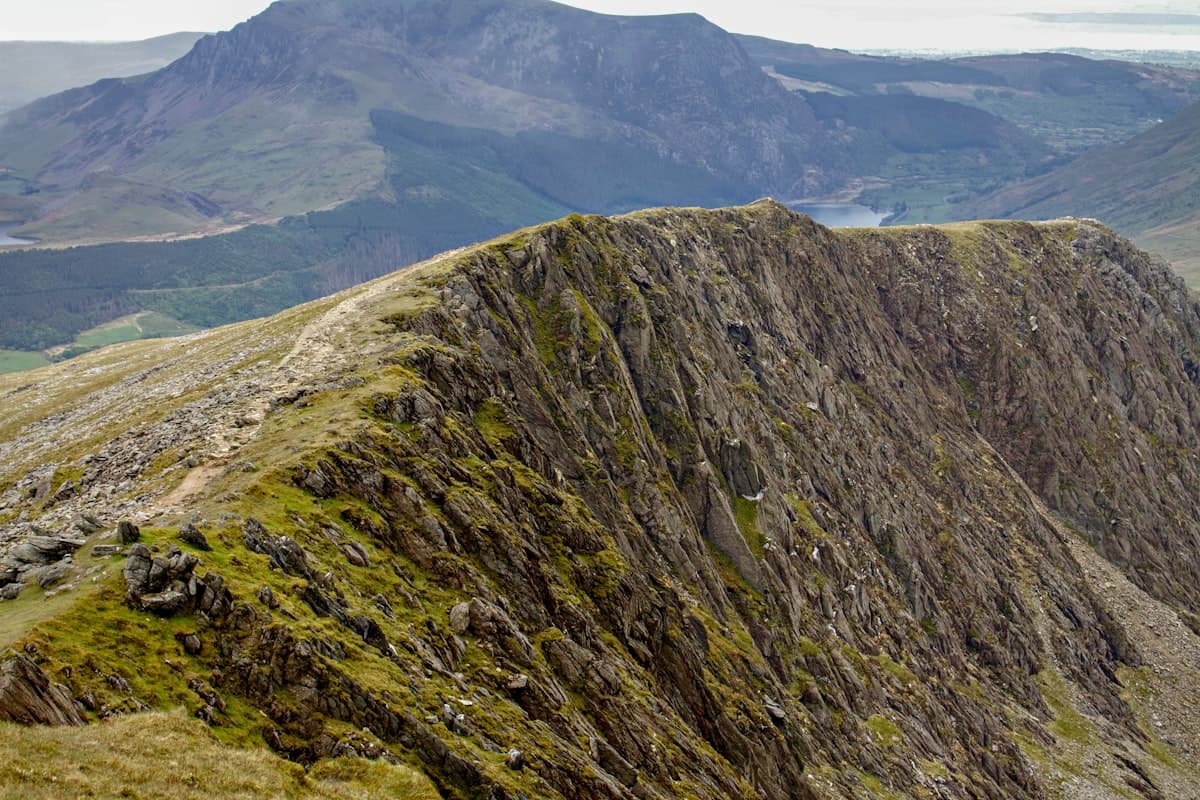
Wales is blessed with peaks, and Snowdon gets all the glory. But for those who want a challenge, or just a bit of peace and quiet, these other mountains offer unforgettable walking experiences.
Mountain Walking: The Best Welsh Peaks Beyond Snowdon
Snowdon. Yr Wyddfa. It’s the big one, right? The one plastered on every postcard, the one everyone wants to tick off their list. And fair enough, it’s a cracking mountain. But let’s be honest, the queues at the top can feel like Oxford Street on Christmas Eve. So, where do you go if you want a proper mountain walk in Wales, without battling the crowds? Here are a few of my personal favourites, offering a range of challenges and rewards.
Cadair Idris, Snowdonia
Right, let's get straight to it. Cadair Idris – "Idris's Chair" – near Dolgellau in southern Snowdonia, is a serious bit of business. Don't let anyone tell you it's an 'easy' hike. It’s a tough climb, whichever route you take, and the weather can change on a sixpence. That said, the views are spectacular. On a clear day, you can see all the way to Snowdon itself, and out across Cardigan Bay.
Routes: There are three main paths: the Pony Track (the longest and gentlest), the Minffordd Path (the steepest and most scenic), and the Fox's Path (a direct, rocky ascent). I’d recommend the Minffordd Path for experienced walkers. It's a bit of a scramble in places, with waterfalls and stunning views, but it's well worth the effort. The Pony Track is a good option if you prefer a more gradual climb, but be warned, it can get boggy.
Parking: Parking at the base of the Minffordd Path will cost you around £6 for the day (cash only!), and it fills up quickly, especially on weekends. Get there early, or consider using the park and ride from Dolgellau, which costs about £4 return.
Difficulty: Challenging. Expect a full day of walking, with significant elevation gain. You'll need decent hiking boots, waterproofs, and plenty of food and water. Navigation skills are essential, especially if the weather closes in.
Who should do it: Experienced hikers who enjoy a challenging climb and stunning scenery.
Who should skip it: Beginners, those with limited mobility, or anyone who isn't prepared for a tough day on the mountain.
Seasonal Notes: Cadair Idris is best tackled in the spring, summer, or early autumn. In winter, it can be treacherous, with snow and ice making the paths dangerous. Always check the weather forecast before you set off.
Tryfan, Snowdonia
Right then, for the masochists amongst you! Tryfan, in the Ogwen Valley, is not for the faint of heart. This isn't a walk; it's a scramble. A proper, hands-on-rock, adrenaline-pumping scramble. There's no designated path to the summit. You just pick your way up the rocky face, choosing your own route.
Route: There's really only one 'route' and that is straight up. It involves navigating a steep, rocky face, using your hands and feet to pull yourself up. There are a couple of infamous spots, like the Cannon Stone (where you can pose for a photo) and the Adam and Eve stones at the summit (jumping between them is said to bring good luck – or a broken ankle).
Parking: Parking is along the A5 in the Ogwen Valley. It's free, but it fills up incredibly quickly, especially at weekends. Get there before 9 am to guarantee a spot.
Difficulty: Extreme. Tryfan requires excellent scrambling skills, a head for heights, and a good level of fitness. It's not suitable for beginners or anyone who is uncomfortable with exposure.
Who should do it: Experienced scramblers and climbers who are looking for a challenging and rewarding day out. If you enjoy the Via Ferrata at Zip World, this is the natural progression.
Who should skip it: Anyone who is afraid of heights, inexperienced hikers, or those with limited mobility. Seriously, this one is not for you.
Seasonal Notes: Tryfan is best climbed in dry weather. In wet or icy conditions, the rocks become incredibly slippery and dangerous. Winter ascents should only be attempted by experienced mountaineers with appropriate equipment.
Important: Every year, people get into trouble on Tryfan. Know your limits, and don't be afraid to turn back if you're not comfortable. Consider hiring a guide from Snowdonia Mountain Guides or Plas y Brenin if you're unsure.
Pen y Fan, Brecon Beacons
Okay, enough with the extreme stuff. Let's move on to something a bit more accessible. Pen y Fan, in the Brecon Beacons, is the highest peak in South Wales, and it's a popular choice for good reason. The views are fantastic, and the main path is relatively easy to follow.
Routes: The most popular route starts from the Pont ar Daf car park on the A470. It's a well-maintained path that zigzags its way up the mountain. It's a steady climb, but not too steep, and it's suitable for families with older children. For a slightly longer and more challenging route, try the Horseshoe Ridge walk, which takes in Corn Du and Cribyn as well as Pen y Fan.
Parking: Parking at Pont ar Daf costs around £5 for the day. There's also parking at the Storey Arms, but this fills up quickly.
Difficulty: Moderate. The main path is relatively easy, but it's still a climb, and you'll need a reasonable level of fitness. The Horseshoe Ridge walk is more challenging, with some steeper sections.
Who should do it: Families, beginner hikers, and anyone who wants to enjoy a good walk with stunning views.
Who should skip it: Those who are looking for a truly challenging mountain experience. Pen y Fan can get very busy, especially on weekends and during school holidays.
Seasonal Notes: Pen y Fan can be climbed year-round, but be prepared for all types of weather. In winter, it can be covered in snow and ice, so warm clothing and appropriate footwear are essential.
If you fancy something a little different in the Brecon Beacons, check out the incredible BikePark Wales for some downhill mountain biking action.
The Rhinogydd, Snowdonia
Want to escape the crowds completely? Head to the Rhinogydd. This rugged mountain range, in the heart of Snowdonia, offers some of the wildest and most remote walking in Wales. It's a landscape of jagged peaks, boulder fields, and hidden lakes.
Routes: There are no easy routes in the Rhinogydd. Most walks involve a significant amount of scrambling and navigating through rough terrain. Popular peaks include Rhinog Fawr and Rhinog Fach, but even reaching the base of these mountains requires a challenging hike.
Parking: Parking is limited and often requires walking along narrow, winding roads. Be prepared to park responsibly and considerately.
Difficulty: Challenging to Extreme. The Rhinogydd is only suitable for experienced hikers and scramblers who are comfortable with off-trail navigation and challenging terrain.
Who should do it: Experienced hikers and scramblers who are looking for a true wilderness experience.
Who should skip it: Beginners, families, or anyone who is not comfortable with off-trail navigation and challenging terrain.
Seasonal Notes: The Rhinogydd is best tackled in dry weather. In wet conditions, the rocks become incredibly slippery, and the terrain becomes even more challenging. Winter ascents should only be attempted by experienced mountaineers.
Beyond the Big Names
These are just a few of my favourite mountains in Wales. There are plenty more to explore, from the Berwyn Mountains in North East Wales to the Preseli Hills in Pembrokeshire. The key is to do your research, be prepared, and respect the mountains. They can be unforgiving, but they offer some of the most rewarding experiences you'll ever have. And remember, even on a sunny day, the weather in the mountains can change in an instant. Always check the forecast before you set off, and be prepared for the worst. Enjoy! And while you're in Pembrokeshire, why not try your hand at coasteering with TYF Adventure or Preseli Venture?