Night Hiking in Wales
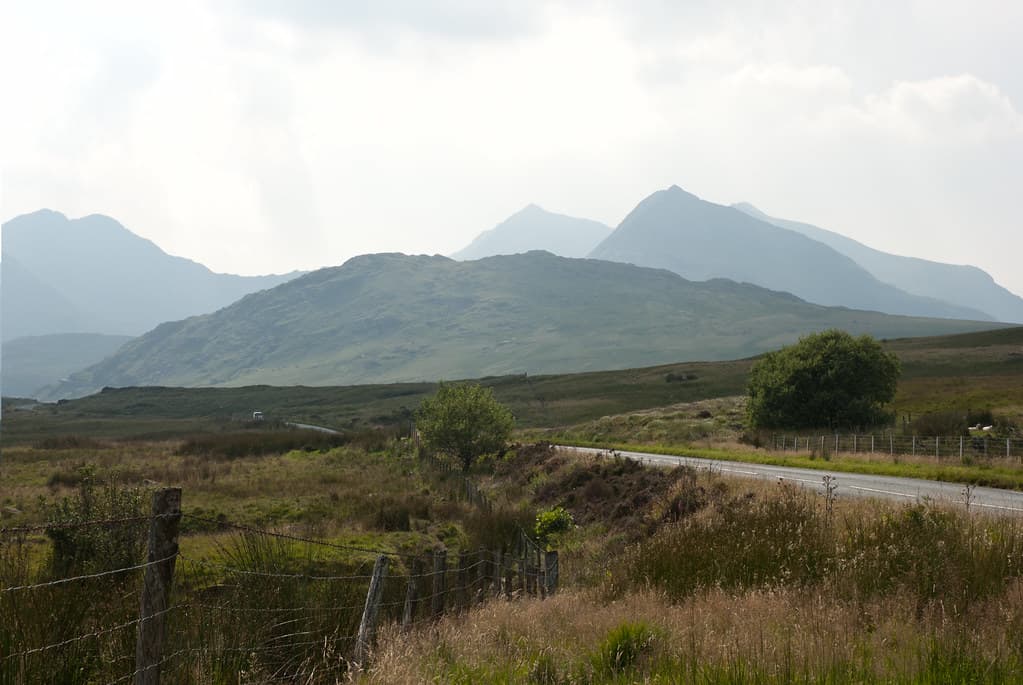
Night hiking in Wales offers a unique perspective on familiar landscapes, but demands respect for the conditions and proper preparation. This guide covers essential safety, gear, and location considerations for a rewarding nocturnal adventure.
Night Hiking in Wales
Wales by day is a stunner, right? But Wales by night? That's a different animal altogether. The mountains take on a whole new character under the moon and stars, and the quiet…man, the quiet is something else. I've done my share of it, from scrambling around Snowdonia to yomping across the Brecon Beacons, and I can tell you it's an experience worth having. But it's not something to jump into unprepared.
Is Night Hiking for You?
First, a bit of honesty. Night hiking isn't for everyone. If you're nervous in the dark, or hate being cold and wet (which, let's face it, rules out half of Wales for half the year), then maybe stick to daylight. It's also a step up in difficulty. Navigation becomes trickier, the ground can be uneven and hidden, and you need to be self-sufficient.
Who it suits: Experienced hikers looking for a new challenge, those comfortable navigating in low light, and anyone craving solitude in nature.
Who should skip it: Beginners, anyone with mobility issues, or those who aren't confident with map reading and compass skills. If you're unsure, consider a guided walk first.
Essential Gear
Forget nipping out in your trainers and a hoodie. Night hiking demands proper gear.
- Headtorch: Obvious, but crucial. Get one with at least 300 lumens. I recommend a decent Petzl or Black Diamond. Don't rely on your phone's flashlight – it'll drain the battery in no time, and you'll need that for emergencies. Bring spare batteries, too. Trust me on this.
- Navigation: Map and compass. GPS is great, but batteries die. Know how to use a map and compass. Practice in daylight. Consider a GPS watch as a backup. Ordnance Survey maps (Explorer series) are essential for detailed terrain.
- Warm Layers: Even in summer, temperatures plummet at night, especially at altitude. Base layer, fleece, insulated jacket (down or synthetic), waterproofs. Decent gloves and a hat are non-negotiable.
- Sturdy Boots: Ankle support is even more important in the dark. Broken ankles are no fun.
- First-Aid Kit: Including blister treatment, pain relief, and a survival blanket.
- Food and Water: Pack more than you think you'll need. Energy bars, trail mix, and plenty of water. A hot flask of tea or coffee can be a real morale booster.
- Emergency Shelter: A lightweight bivy bag or bothy bag could save your life if you get caught out.
- Whistle: For signalling in an emergency.
- Fully Charged Phone: In a waterproof case.
- Power Bank: To keep your phone alive.
Location, Location, Location
Choosing the right location is key. Start with familiar trails. Don't attempt anything too technical on your first night hike.
- Snowdonia: Snowdon itself is a popular choice, but can be crowded even at night (especially during a full moon). Consider quieter routes like Moel Siabod or the Glyderau (but be aware of the scrambling sections, like Bristly Ridge – definitely not for your first night hike). The Llanberis Path is a good, relatively easy option for a Snowdon ascent, and guided options are available through MountainXperience from around £45-£65, but booking is essential. Parking in Llanberis can be a nightmare, even at night. Aim to arrive well before sunset to secure a spot (expect to pay around £6 for the evening).
- Brecon Beacons: Pen y Fan is another popular option, but again, can get busy. The Black Mountains offer more solitude. Be aware of military training areas – check schedules before you go. Storey Arms car park is a good starting point for Pen y Fan, but fills up quickly.
- Pembrokeshire Coast Path: While not mountainous, sections of the coastal path offer stunning views and a different night hiking experience. Choose a relatively flat section, like around Stackpole or near St Davids. Watch out for cliff edges! Parking is generally free at most coastal path access points. You could combine this with some daytime coasteering with TYF Adventure near St Davids, but that’s a whole different ball game (and requires wetsuits!).
- Llyn Peninsula: The Wales Coast Path around the Llyn Peninsula provides less mountainous but beautiful night hikes with spectacular starry skies. Parking is generally free.
Remember to check the weather forecast before you go. Mountain Weather Information Service (MWIS) provides detailed forecasts for specific mountain areas. And be prepared to turn back if conditions deteriorate.
Navigation Tips
Navigation is the biggest challenge of night hiking.
- Plan Your Route: Study your map carefully in daylight. Know the terrain, potential hazards, and escape routes.
- Use Grid References: Take accurate grid references of key points along your route.
- Compass Bearings: Practice taking and following compass bearings.
- Look for Landmarks: Even in the dark, you can often identify major landmarks.
- Pace Counting: Count your paces between landmarks to estimate distance.
- Stay on Marked Trails: Avoid venturing off-trail unless you're very experienced.
- Check Your Position Regularly: Don't just assume you're on the right track.
Safety First
Night hiking is inherently more dangerous than daytime hiking. Take these precautions:
- Tell Someone Where You're Going: And when you expect to be back.
- Hike with a Partner: It's safer and more fun.
- Be Aware of the Weather: Conditions can change rapidly in the mountains.
- Avoid Alcohol and Drugs: Obvious, but worth stating.
- Be Prepared to Turn Back: Don't be afraid to abandon your hike if conditions become unsafe.
- Leave No Trace: Pack out everything you pack in.
- Be Respectful of Wildlife: Keep noise to a minimum.
A Few Extra Pointers
- Check the Moon Phase: A full moon makes navigation easier, but also attracts more people. A new moon offers the darkest skies for stargazing.
- Practice Using Your Headtorch: Get used to the beam angle and brightness levels.
- Consider a Red Light Filter: Red light preserves your night vision better than white light.
- Take Regular Breaks: Rest and refuel.
- Enjoy the Silence: Take a moment to appreciate the peace and quiet of the night.
Alternative Night-Time Activities
If hiking under the stars isn't your thing, but you still want a nocturnal thrill, consider these alternatives:
- Stargazing: Head to a dark sky area like the Brecon Beacons National Park and simply lie back and enjoy the celestial show.
- Night Mountain Biking: Coed y Brenin forest [Snowdonia] offers some challenging trails that can be ridden at night with powerful lights.
- Caving: Explore the underground world with a guided caving trip in the Brecon Beacons. Adventure Britain offers beginner-friendly options.
Final Thoughts
Night hiking in Wales is a rewarding experience, but it requires careful planning and preparation. By following these tips, you can enjoy a safe and memorable adventure under the Welsh stars. Just remember to respect the mountains, be prepared for the weather, and always put safety first. Now get out there and explore! Just… you know… don't fall off anything.