Sea Kayaking vs River Kayaking in Wales
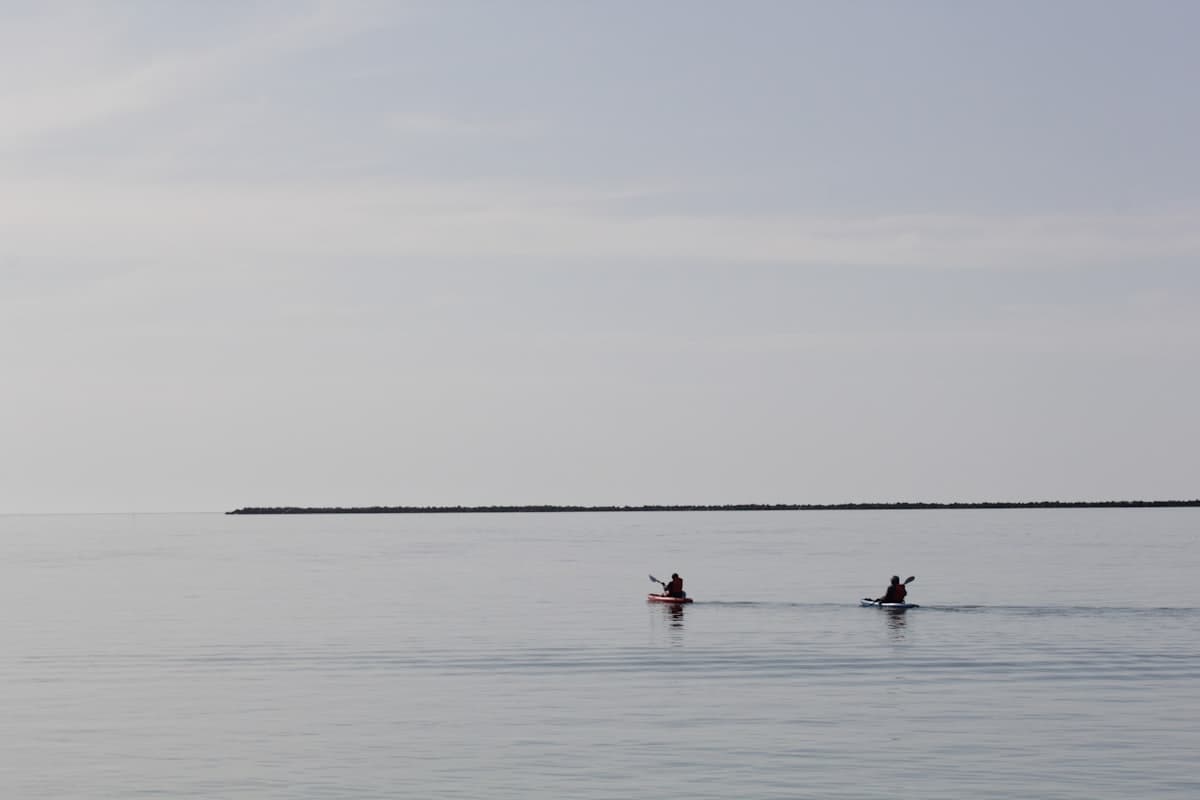
Kayaking in Wales means choosing between the thrill of the open ocean and the calm of winding rivers. This guide breaks down the differences, costs, and best spots for sea and river kayaking, helping you decide which adventure is right for you.
Sea Kayaking vs River Kayaking in Wales
So, you're thinking about dipping a paddle into the waters of Wales? Good on you. But the first question you need to ask yourself is: sea or river? Both offer fantastic experiences, but they're very different beasts. This isn't about which is better, it's about which is better for you.
Sea Kayaking: Embrace the Coast
Let's be honest, the Welsh coastline is stunning. Rugged cliffs, hidden coves, and the vast expanse of the Irish Sea make sea kayaking an unforgettable experience. But it's not for the faint of heart.
What to Expect
- Conditions: The sea can be unpredictable. Even on a sunny day, the wind can pick up, creating choppy conditions and strong currents. You need to be prepared for waves, swell, and the potential for a good soaking. Check the forecast religiously before you head out – XCWeather is your friend.
- Wildlife: Seals are common, and you might even spot dolphins or porpoises. Birdlife is abundant, especially around islands like Skomer in Pembrokeshire (accessible by boat from Martin's Haven, then a short paddle).
- Locations: Pembrokeshire is a sea kayaker's paradise. St. David's Head offers challenging paddles with stunning scenery. For something a bit calmer, try exploring the Milford Haven waterway. Anglesey is another strong contender, with plenty of sheltered bays and dramatic cliffs. The Llŷn Peninsula offers secluded beaches and clear waters.
- Skill Level: While some tours cater to beginners, sea kayaking generally requires a reasonable level of fitness and confidence in the water. Knowing how to self-rescue (getting back into your kayak after capsizing) is crucial.
- Gear: You'll need a sea kayak (longer and narrower than a river kayak), a paddle, a buoyancy aid (essential!), and appropriate clothing. Wetsuits or drysuits are recommended, even in summer, as the water temperature can be chilly. Consider a spray deck to keep the water out of your kayak.
Guided Tours vs. Self-Guided
For beginners, a guided tour is highly recommended. Operators like TYF Adventure and Preseli Venture in Pembrokeshire offer excellent sea kayaking safaris, typically costing between £60-£95 for a half-day trip. They'll provide all the necessary equipment and teach you the basics of paddling and safety. Anglesey Adventures also offer guided tours from about £55-£90.
If you're an experienced sea kayaker, you can rent a kayak and explore on your own. However, make sure you have the necessary skills and knowledge to navigate safely. Always inform someone of your route and expected return time.
Costs
- Guided tour: £50-£95 per person (half-day)
- Kayak rental: £30-£50 per day
- Parking: varies depending on location, but expect to pay £3-£5 in popular spots like Whitesands Bay (Pembrokeshire).
Who Should Try It?
Sea kayaking is ideal for those who enjoy a challenge, appreciate stunning coastal scenery, and don't mind getting wet. If you love being close to nature and are comfortable in the open water, you'll have a blast.
Who Should Skip It?
If you're not a strong swimmer, are afraid of the open sea, or prefer a more relaxed experience, sea kayaking might not be for you. It can be physically demanding, and the unpredictable conditions can be intimidating. If you're looking for something easier, consider paddleboarding on a calm day in Swansea Bay (Gower).
River Kayaking: A Gentle Exploration
River kayaking offers a more tranquil and accessible experience than its sea-faring cousin. The calm waters and sheltered environment make it perfect for beginners and families.
What to Expect
- Conditions: Rivers are generally much calmer than the sea. You'll encounter gentle currents, occasional rapids (depending on the river), and sheltered banks. The weather is still a factor, but wind is less of an issue.
- Wildlife: River kayaking offers a chance to spot different wildlife, such as kingfishers, herons, and otters.
- Locations: The River Wye, forming the border between Wales and England (Wye Valley), is a classic river kayaking destination. The River Teifi in Mid Wales is another excellent choice, with beautiful scenery and opportunities for spotting wildlife. AberAdventures in Mid Wales offers kayaking trips from around £40-£65.
- Skill Level: River kayaking is generally beginner-friendly. You don't need to be a strong swimmer, and the calm conditions make it easy to learn the basics of paddling.
- Gear: You'll need a river kayak (shorter and wider than a sea kayak), a paddle, and a buoyancy aid. Wetsuits are optional, but recommended if you're kayaking in colder weather or plan on getting wet.
Guided Tours vs. Self-Guided
Guided tours are available on most popular rivers, offering instruction, safety guidance, and local knowledge. However, river kayaking is also well-suited to self-guided trips, especially if you have some experience.
Costs
- Guided tour: £40-£65 per person (half-day)
- Kayak rental: £25-£40 per day
- Parking: varies depending on location, but often free or cheap in rural areas.
Who Should Try It?
River kayaking is perfect for families, beginners, and those who prefer a more relaxed and peaceful experience. It's a great way to connect with nature and enjoy the beautiful Welsh countryside. It's also a good option if the weather is looking iffy for a coastal trip.
Who Should Skip It?
If you're looking for a thrilling adrenaline rush, river kayaking might not be exciting enough. While some rivers offer challenging rapids, most are relatively calm. If you prefer a more physically demanding activity, consider mountain biking at BikePark Wales in the Brecon Beacons (Brecon-Beacons).
Choosing the Right Kayak
The type of kayak makes a big difference. Sea kayaks are longer and narrower, designed for speed and efficiency in open water. River kayaks are shorter and wider, offering greater stability and maneuverability in calm waters.
If you're planning on doing both sea and river kayaking, you might consider investing in an inflatable kayak. These are versatile, portable, and can be used in a variety of conditions. Decathlon sells decent ones that won't break the bank.
Safety Considerations
Regardless of whether you choose sea or river kayaking, safety should always be your top priority.
- Check the weather forecast: Before you head out, check the weather forecast and be prepared for changing conditions.
- Wear a buoyancy aid: A buoyancy aid is essential, even if you're a strong swimmer.
- Tell someone your plans: Always inform someone of your route and expected return time.
- Know your limits: Don't attempt to paddle beyond your skill level.
- Bring a mobile phone: Keep your phone in a waterproof bag.
- Be aware of tides and currents: Tides and currents can be strong, especially in coastal areas.
- Consider a guided tour: If you're a beginner, a guided tour is highly recommended.
Making the Decision
Ultimately, the best way to decide between sea and river kayaking is to try both. Many operators offer introductory sessions that will allow you to experience the different types of kayaking and see which one you prefer.
If you're still unsure, consider these factors:
- Your skill level: Are you a beginner or an experienced kayaker?
- Your fitness level: Are you looking for a challenging workout or a relaxing paddle?
- Your location: Are you close to the coast or a river?
- The weather: Is it a calm sunny day or a windy, rainy day?
No matter which type of kayaking you choose, you're sure to have an unforgettable experience in Wales. Just remember to be prepared, be safe, and enjoy the ride. Afterwards, reward yourself with a pint at a local pub – you've earned it! And if kayaking isn't quite your speed, there's always coasteering with TYF Adventure for another way to get your coastal thrills. Or perhaps a hike up Snowdon via the Miner's Track if you prefer staying on dry land (Snowdonia).