Surfing in Wales
Surfing in Wales
Thinking about grabbing a board and hitting the Welsh waves? Let's be real about what's involved so you can decide if it's for you.
What It Actually Is
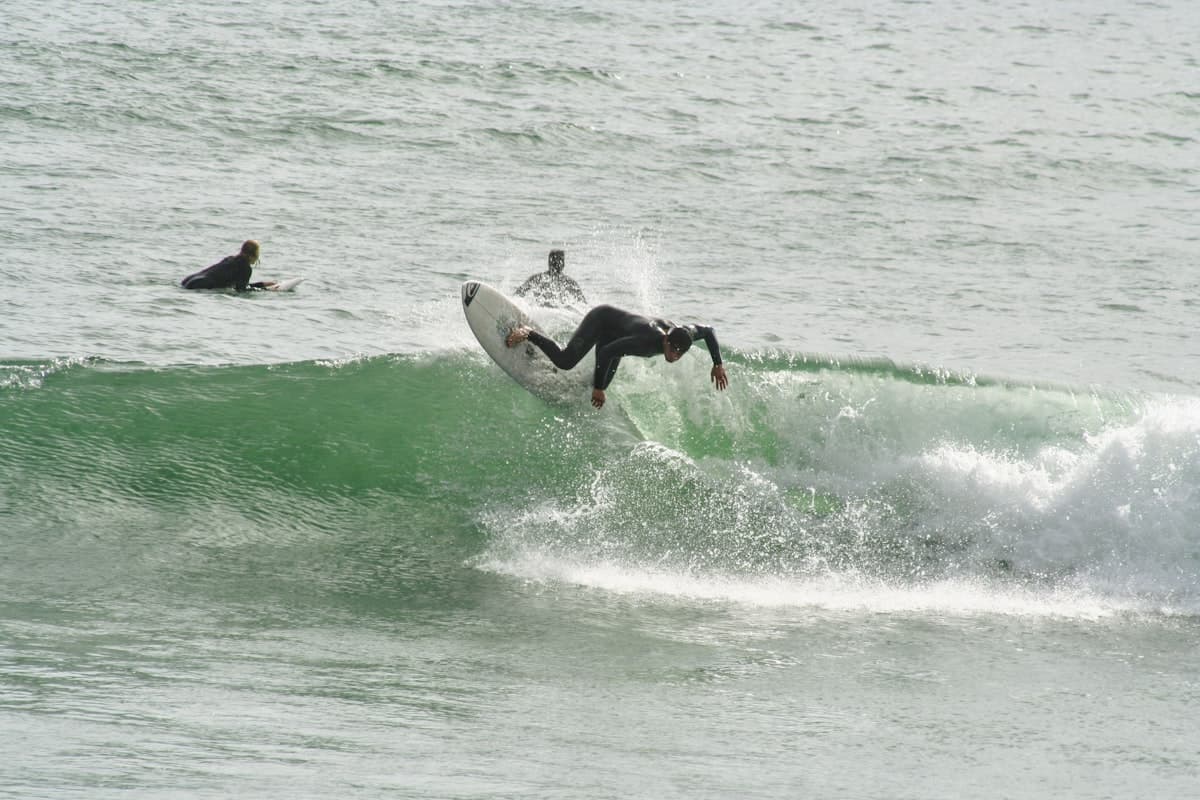
Surfing in Wales isn’t like surfing in California or Australia. Forget perfectly peeling, warm-water barrels. Think more along the lines of putting on a thick wetsuit (yes, even in summer!), battling against a brisk wind, and paddling like crazy to catch a wave that might be more of a lumpy swell than a picture-perfect breaker. It's a workout, and the waves can be unpredictable. You'll spend a lot of time paddling, sitting, and wiping out, but the feeling of actually standing up, even for a few seconds, is pretty awesome. It can be cold, it can be tiring, but when it works, it's exhilarating. You'll probably get a mouthful of salty water at some point.
Who Loves This
Surfing in Wales is great for adventurous types who don't mind a bit of a challenge and aren't afraid to get wet and cold. People with a decent level of fitness will enjoy it more, as paddling against the current can be tiring. Anyone aged from teens upwards can have a blast surfing, but a reasonable amount of coordination helps. If you're someone who enjoys being in the ocean, even in less-than-tropical conditions, and you're looking for a fun, active way to experience the Welsh coastline, you'll likely love it.
Who Should Skip It
If you hate being cold, or have a real aversion to the sea, this probably isn't for you. If you're expecting guaranteed perfect waves and warm sunshine, you'll be disappointed. If you're not comfortable in the water, or if you have mobility issues that would make paddling and getting back on the board difficult, you might want to consider a different activity. People seeking instant gratification might also find surfing frustrating, as it takes time and practice to master. Kitesurfing and Windsurfing need some core strength, if that is not something you currently have then build up to these.
Where in Wales
- Pembrokeshire: Generally considered a good starting point. Places like Newgale and Whitesands offer consistent waves suitable for beginners. Newgale's long, sandy beach is great for learning.
- Gower Peninsula: Llangennith is a popular spot with a long, sandy beach and waves that are usually manageable for beginners and intermediates. Oxwich Bay is generally calmer, suitable for total beginners.
- Llŷn Peninsula: Hell's Mouth (Porth Neigwl) is more exposed and gets bigger swells, making it a better option for more experienced surfers. This one can get wild.
- Anglesey: Rhosneigr is known for windsurfing and kitesurfing due to the strong winds, but can also offer some surfing opportunities. It's a great location for combining different water sports.
- Mid Wales: Aberystwyth has surfing, though the quality is not as consistent as Pembrokeshire or Gower.
The Difficulty Spectrum
- Beginner: Expect to start on a soft-top board in shallow water. You'll learn the basics of paddling, popping up, and riding a wave straight into the beach. Lessons usually focus on getting you comfortable in the water and catching small waves.
- Intermediate: You'll be able to paddle out to the lineup, catch unbroken waves, and ride them down the line. You might start working on turning and basic maneuvers.
- Advanced: You're comfortable in all conditions, can handle bigger waves, and are constantly working on improving your technique and pushing your limits.
Best Conditions
Ideally, you want light winds and a decent swell. Offshore winds (blowing from the land out to sea) are great as they groom the waves and make them cleaner. Overcast skies are less of a buzzkill when you're already wearing a thick wetsuit. Winter swells tend to be bigger, but the water is colder. Spring and autumn can offer a good balance of decent waves and manageable temperatures. Summer can be more crowded, but the water is warmer.
First-Timer Reality Check
Your first surf lesson will probably involve a lot of falling. Don't expect to be shredding waves like a pro on day one. You'll spend a good amount of time getting used to the feeling of being on the board and paddling. Be prepared for aching arms and shoulders. Listen carefully to your instructor, and don't be afraid to ask questions. Most importantly, relax and have fun – even if you spend more time underwater than on top of it.
How It Compares
- Surfing vs. Coasteering: Coasteering is great if you want a more varied coastal experience, involving swimming, climbing, and jumping. Surfing is more focused on wave riding. Coasteering is less dependent on wave conditions, while surfing requires a decent swell.
- Surfing vs. Paddleboarding: Paddleboarding is a more relaxed activity that can be enjoyed in calmer waters. Surfing requires more athleticism and is more challenging, but offers a bigger adrenaline rush. Paddleboarding is easier to pick up quickly.
- Surfing vs. Kayaking: Kayaking can be enjoyed in a wider range of conditions and locations, including rivers and lakes. Surfing is limited to coastal areas with waves. Kayaking is less physically demanding than surfing.
- Surfing vs. Windsurfing: Windsurfing uses wind power more, is more challenging as it requires more coordination than surfing, surfing mainly utilizes wave power.