Underground Adventures in Wales
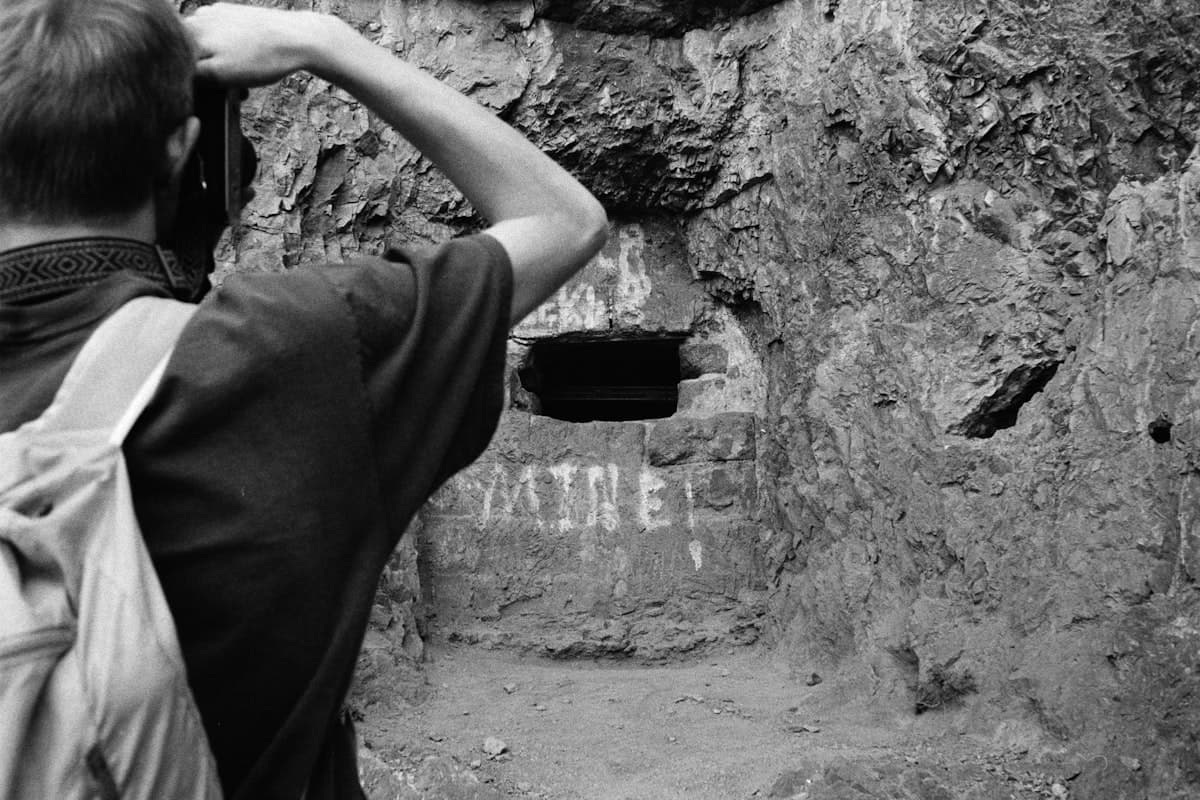
Wales isn't just about mountains and coast; some of the best adventures happen beneath our feet. This is your guide to exploring the caves and caverns hidden across the country, with a focus on safety, operators, and what to expect.
Underground Adventures in Wales
Wales, land of song and…caves! Aye, you might come here for Snowdonia’s peaks or Pembrokeshire's coast, but don't overlook what lies beneath. We’ve got a cracking network of caves, from beginner-friendly strolls to proper crawls that'll leave you covered in mud. This isn't for the faint of heart, mind you. Claustrophobia is a real problem down there. Let's get into the details.
Why Go Caving in Wales?
Simply put, it’s different. It's a chance to experience a part of Wales most never see. The geology is fascinating, the darkness is profound, and the sense of adventure is top-notch. Plus, it’s a brilliant activity for a rainy day – and let’s be honest, we get our fair share of those. You are guaranteed to get wet, so the weather topside isn't a factor.
Where to Cave: Key Regions
Wales has several caving hotspots. Each region offers something unique:
- Brecon Beacons: This is arguably the caving capital of Wales. The limestone landscape is riddled with systems like Ogof Ffynnon Ddu (OFD), one of the longest cave systems in Britain. OFD is definitely for experienced cavers, but there are other options for novices too. Expect challenging crawls and some wading.
- Snowdonia: While known for its mountains, Snowdonia also has some interesting caves, though they're generally smaller and less extensive than those in the Brecon Beacons. More focus is on exploring slate mines than natural caves here.
- South Wales Valleys: There are smaller, lesser-known cave systems scattered throughout the valleys. Worth investigating if you are in the area for climbing or mountain biking, but not a primary caving destination.
Guided Caving: Your Best Bet
Unless you're an experienced caver with the right gear and knowledge, guided caving is the way to go. Here's why:
- Safety: Caves can be dangerous places. A good guide knows the system, the potential hazards (like flooding), and how to navigate safely.
- Equipment: You'll need a helmet, headlamp, and potentially a wetsuit or oversuit depending on the cave. Guided tours provide all this.
- Expertise: Guides can point out interesting features, explain the geology, and generally make the experience much richer.
Recommended Operators
- Adventure Britain (Brecon Beacons & Gower): These lads offer a range of caving experiences, from beginner-friendly introductions to more challenging expeditions. Expect to pay between £65-£95 per person for a half-day trip in 2025. They're based near Swansea, making them a decent option if you're exploring the Gower Peninsula too.
- Black Mountain Adventure (Brecon Beacons): Another solid choice in the Brecon Beacons. Their prices are similar to Adventure Britain, ranging from £45-£85, and they offer a variety of caving routes to suit different abilities.
What to Expect: A Typical Caving Trip
So, you've booked your trip. What's next?
1. Meeting Point & Briefing: You’ll usually meet your guide at a designated location, often a pub car park or a lay-by near the cave entrance. After introductions, you'll get a safety briefing and be kitted out with your helmet and headlamp.
2. The Entrance: Cave entrances vary. Some are easy walks, others involve a bit of a scramble. Be prepared to get muddy straight away.
3. The Cave: Inside, expect a mixture of walking, crawling, and maybe even some wading or swimming. The caves can be tight in places, but a good guide will choose a route that suits the group's abilities.
4. Features: Keep an eye out for stalactites, stalagmites, and other geological formations. Your guide will point out the highlights.
5. Duration: Most guided caving trips last around 3-4 hours.
6. The Exit: Re-emerging into daylight is a great feeling, even if you're covered in mud.
7. Debrief & Gear Return: Return your gear and listen to any final instructions from your guide.
Gear You'll Need (and What's Provided)
Your caving operator will provide essential safety gear:
- Helmet: Non-negotiable. Protects your head from bumps and scrapes.
- Headlamp: Your only source of light. Make sure it's working before you go in.
- Oversuit or Wetsuit: Depending on the cave and the time of year, you might need a wetsuit to stay warm.
- Wellies or Sturdy Boots: Footwear is key. Old hiking boots are ideal.
What to bring yourself:
- Warm Layers: Even in summer, caves can be chilly. Wear layers you don’t mind getting dirty.
- Snacks & Water: Caving can be surprisingly tiring.
- Old Clothes: Seriously, don’t wear anything you care about.
- Towel & Change of Clothes: For afterwards. You'll be grateful.
- Camera (Optional): If you want to take photos, a GoPro or similar action camera is ideal. But be prepared to get it muddy!
Is Caving Right For You?
Caving isn't for everyone. Consider the following:
- Claustrophobia: If you're severely claustrophobic, this probably isn't the activity for you. However, many people with mild claustrophobia find they can manage it, especially with a supportive guide.
- Fitness: You don't need to be an athlete, but a reasonable level of fitness is required. Expect some crawling and scrambling.
- Mobility: Caving can be challenging for people with mobility issues. Check with the operator beforehand.
- Age: Most operators have a minimum age limit (usually around 8-10 years old).
Who should try it: Adventurous types, families looking for a unique experience, anyone interested in geology, and those who don't mind getting dirty.
Who should skip it: People with severe claustrophobia, limited mobility, or a fear of the dark.
Seasonal Considerations
Caving is generally a year-round activity in Wales, but there are a few things to keep in mind:
- Winter: Caves can be colder and wetter in winter. Check with the operator about water levels and potential flooding.
- Summer: Caves offer a cool escape from the summer heat. However, they can also be more crowded.
- Rain: Heavy rain can cause caves to flood, so always check the weather forecast and listen to your guide's advice.
Beyond Caving: Other Welsh Adventures
If you're looking for other adrenaline-pumping activities in Wales, consider:
- Coasteering in Pembrokeshire: Scramble along the coastline, jump into the sea, and explore hidden coves with operators like TYF Adventure.
- Mountain Biking in Snowdonia: Tackle the trails at Coed y Brenin or Antur Stiniog for some downhill thrills.
- Hiking in the Brecon Beacons: Climb Pen y Fan, the highest peak in South Wales, for stunning views.
- Zip-lining at Zip World: Experience the fastest zip line in the world at Zip World in Snowdonia.
Parking Considerations
Parking near cave entrances can be tricky. Many are located in remote areas with limited parking. Be prepared to park on the side of the road or in a designated car park and walk a short distance to the meeting point. Always park responsibly and avoid blocking access for local residents or farmers. Your operator will likely advise on the best parking locations when you book.
A Final Word
Caving in Wales is a fantastic experience. It’s adventurous, educational, and a chance to see a side of the country you'd otherwise miss. Just remember to go with a reputable operator, be prepared to get muddy, and most importantly, have fun. Now get out there and explore those caves!