Welsh 3000s Challenge: Everything You Need to Know
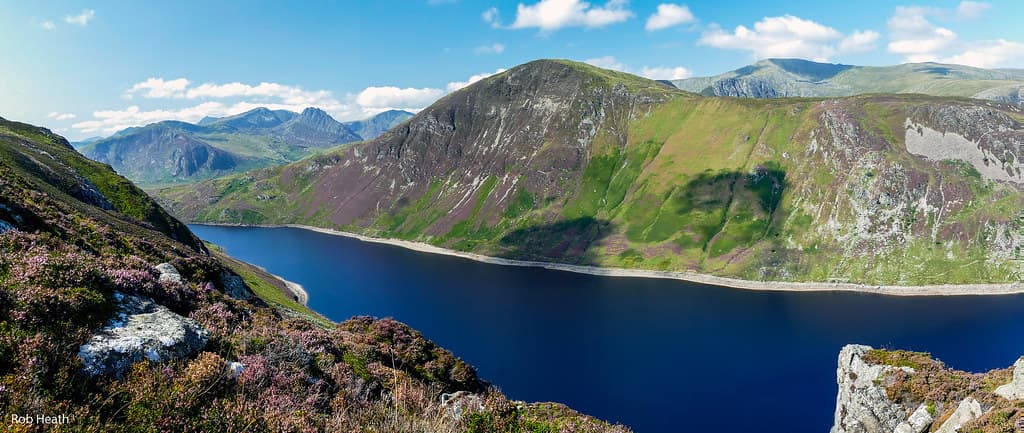
The Welsh 3000s Challenge is a serious undertaking, summiting all 15 peaks over 3,000 feet in Wales within 24 hours; this guide tells you what it involves and how to prepare.
Welsh 3000s Challenge: Everything You Need to Know
So, you're thinking about tackling the Welsh 3000s? Good on you. It's a proper test of endurance, navigation, and mental grit. This isn't just a walk in the park; it's a full-on mountain assault course that’ll leave your legs screaming and your lungs gasping. But the views... boyo, the views make it all worthwhile.
What is the Welsh 3000s?
The Welsh 3000s, also known as the 14 Peaks (though it's actually 15 now, depending on who you ask and how strict they are on prominence), involves summiting all the mountains in Wales over 3,000 feet (914.4 metres) within 24 hours, without using any form of transport. Sounds simple, right? Wrong.
It’s roughly a 30-mile (48km) route with around 10,000 feet (3,000m) of ascent. You'll start in the Glyderau, move onto the Snowdon massif, and finish in the Carneddau. You'll be scrambling over loose scree, navigating exposed ridges, and battling unpredictable Welsh weather.
Who is it for? Experienced mountain walkers with a high level of fitness, excellent navigation skills, and a good understanding of mountain safety. If you're new to hillwalking, start with something like a guided Snowdon Summit Hike with Snowdonia Mountain Guides (£60-80) before considering this.
Who should skip it? Anyone with a fear of heights, dodgy knees, or a tendency to get lost easily. Seriously, this isn't the place to find out if you're directionally challenged.
Planning and Preparation
Proper planning is essential. This isn't a Sunday stroll; it's a military operation.
Route Planning
You'll need a detailed route card and the ability to navigate in poor visibility. Familiarise yourself with the terrain beforehand. Study the OS Map OL17 Snowdon & Conwy Valley. Pay close attention to Crib Goch, which is not for the faint of heart. If you're not comfortable with exposed scrambling, consider the Crib Goch Guided Walk with MountainXperience (£55-75) beforehand.
The traditional route starts at Pen y Pass, heads over the Glyderau, then on to Snowdon via Crib Goch (or the Pyg Track if you chicken out), and finishes in the Carneddau, ending near Bethesda.
Training
You can't just roll out of bed and expect to conquer the Welsh 3000s. You need to put in the miles beforehand. Focus on hill training with a weighted pack. Practice scrambling and navigation. Get used to walking for extended periods on rough terrain.
Try some long hikes in the Brecon Beacons to build your stamina. Perhaps a weekend on Fan y Big and Cribyn to get your legs and lungs ready. The views aren't bad there either, plus it's a little less intense than Snowdonia.
Kit
- Backpack (30-40 litres): Big enough to carry everything you need, but not so big that it weighs you down.
- Waterproofs: Essential. This is Wales, after all. Expect rain, even in summer.
- Walking Boots: Well-worn and comfortable. Blisters are your enemy.
- Navigation: Map, compass, and GPS device (with extra batteries). Know how to use them.
- Food: High-energy snacks and meals. Think energy bars, nuts, dried fruit, and sandwiches.
- Water: At least 3 litres. Consider a water filter or purification tablets.
- Headtorch: With spare batteries. You'll likely be walking in the dark.
- First Aid Kit: Including blister treatment, pain relief, and a foil blanket.
- Warm Layers: Even if the forecast is good, the temperature can drop quickly at altitude.
- Hat and Gloves: For warmth and protection from the elements.
- Sunscreen and Sunglasses: Yes, even in Wales, the sun can be strong.
Timing
The best time to attempt the Welsh 3000s is during the summer months (June-August) when the days are long, and the weather is (hopefully) more stable. However, even in summer, conditions can change rapidly. Be prepared for anything.
Start early – around 4am – to give yourself the best chance of completing the challenge within 24 hours.
The Route in Detail
Here's a breakdown of the main sections of the route:
The Glyderau
- Peaks: Glyder Fawr, Glyder Fach, Tryfan
- Difficulty: Challenging. Steep ascents, rocky terrain, and exposed scrambling. Tryfan is particularly notorious.
- Notes: The ascent of Tryfan via the North Ridge is a grade 1 scramble and requires a head for heights. The descent from Glyder Fach can be tricky in poor visibility.
The Snowdon Massif
- Peaks: Snowdon, Garnedd Ugain, Crib Goch, Y Lliwedd
- Difficulty: Moderate to challenging. Snowdon is the highest peak in Wales, so expect a tough climb. Crib Goch is a knife-edge arete and requires a high level of confidence and experience.
- Notes: Crib Goch is best avoided in strong winds or poor visibility. If you're not comfortable with scrambling, take the Pyg Track or Miners' Track to the summit of Snowdon. On a clear day, you might spot the Velocity 2 Zip Line operated by Zip World in the distance - a tempting alternative if you're feeling tired!
The Carneddau
- Peaks: Carnedd Llewelyn, Yr Elen, Foel Grach, Carnedd Dafydd, Pen yr Ole Wen, Foel-fras, Llwytmor, Bera Bach
- Difficulty: Moderate. The Carneddau are less rocky than the Glyderau and Snowdon massif, but the terrain is still challenging.
- Notes: Navigation can be difficult in poor visibility. The final descent to Bethesda is long and tiring.
Logistics
Getting to and from the start and finish points requires careful planning.
Getting There
Pen y Pass is the traditional starting point. Parking is limited and expensive (£10 for the day). Arrive early to secure a spot. Alternatively, use the Sherpa bus service that operates between the main villages in Snowdonia.
The finish point is usually near Bethesda. Arrange transport in advance or use public transport to get back to your starting point.
Accommodation
If you're travelling from afar, consider staying in Llanberis, Capel Curig, or Betws-y-Coed the night before your attempt. There are plenty of B&Bs, guesthouses, and campsites in the area.
Cost
Expect to spend around £50-£100 on accommodation, food, and transport. Factor in the cost of parking (£10) and any gear you need to buy.
Safety Considerations
- Weather: Check the forecast before you set off and be prepared for all conditions.
- Navigation: Know how to use a map and compass. Practice your navigation skills before attempting the challenge.
- Fitness: Be honest about your fitness level. Don't attempt the Welsh 3000s if you're not in good shape.
- Emergency: Carry a mobile phone and know how to call for help. However, be aware that mobile phone signal is unreliable in some areas. Consider carrying a personal locator beacon (PLB).
- Fatigue: Be aware of the signs of fatigue and take breaks when needed.
- Hydration: Drink plenty of water throughout the challenge.
- Leave No Trace: Take all your rubbish home with you.
Alternative Challenges
If the Welsh 3000s sounds a bit too intense, there are plenty of other challenges in Snowdonia that are just as rewarding.
- Snowdon Horseshoe: A classic ridge walk that includes Crib Goch, Garnedd Ugain, and Y Lliwedd.
- The Nantlle Ridge: A less crowded alternative to the Snowdon Horseshoe with stunning views.
- The Paddy Buckley Round: A 61km fell running challenge that includes 47 summits in the Snowdonia mountains. (This is for serious fell runners only!)
Or, if you fancy something completely different, head to Coed y Brenin and tackle the Temtiwr mountain biking trail – it's a challenging ride, but a great way to experience the forest. Parking is £2-7.
Final Thoughts
The Welsh 3000s is a tough challenge, but it's also an incredibly rewarding experience. With proper planning, preparation, and a healthy dose of determination, you can conquer these iconic peaks and create memories that will last a lifetime. Just remember to respect the mountains, be prepared for anything, and enjoy the views. Now get out there and give it a go! But maybe check the weather first, yeah?