Wetsuit Buying Guide for Welsh Waters
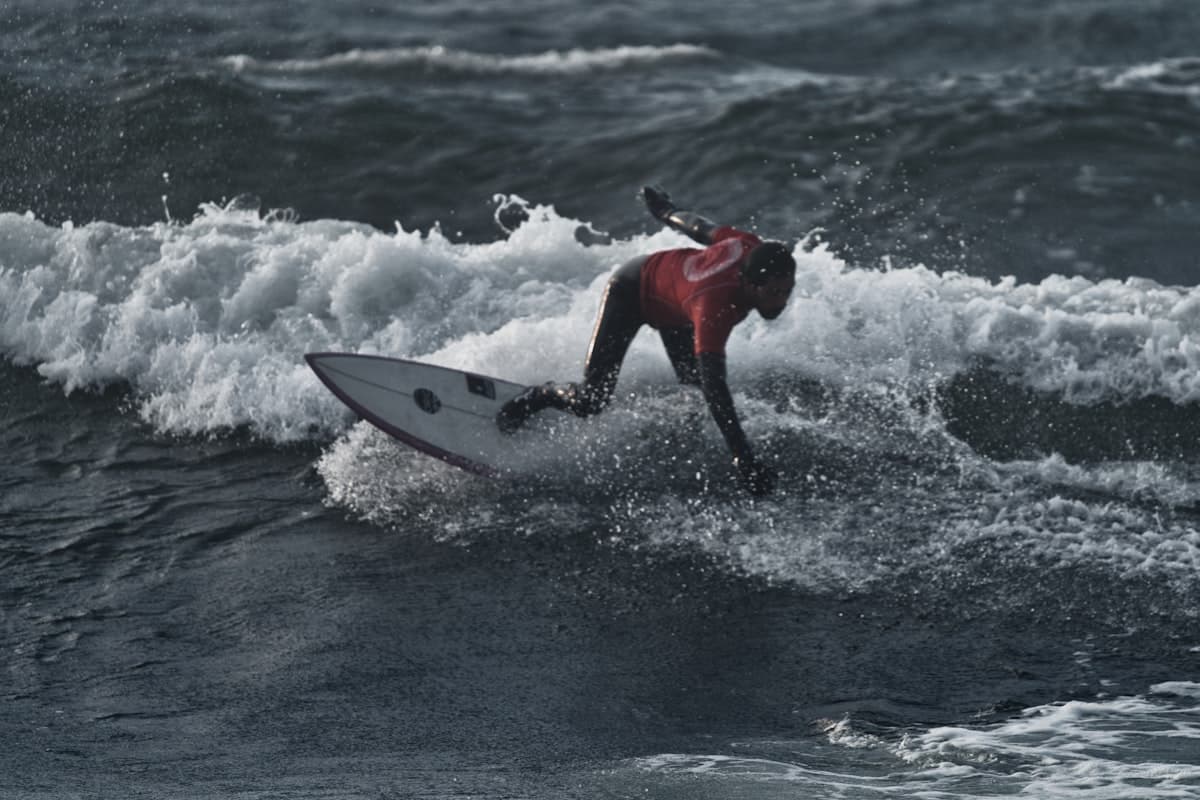
Wetsuits are essential for enjoying the Welsh coast and waters year-round. This guide covers what to look for, whether to buy or rent, and how to get the most from your investment.
Wetsuit Buying Guide for Welsh Waters
Right, listen up. If you're planning on getting in the sea or a river here in Wales for more than a quick dip, you're going to need a wetsuit. The Irish Sea isn't exactly the Med, is it? This isn't about luxury; it's about staying safe and comfortable enough to actually enjoy yourself, whether you're surfing at Llangennith on the Gower, coasteering with TYF Adventure in Pembrokeshire, or even just having a go at wild swimming in Llyn Ogwen after a scramble up Tryfan.
Do You Really Need a Wetsuit?
Let's be blunt: yes, you probably do. Unless you're some kind of polar bear, the waters around Wales are cold enough to cause serious discomfort, and potentially hypothermia, even in the summer months. A wetsuit traps a thin layer of water between the neoprene and your skin, which your body then warms up, keeping you insulated.
If you're just planning a single surf lesson, or a one-off coasteering session, renting a wetsuit is fine. Many operators like TYF Adventure or Preseli Venture in Pembrokeshire will include wetsuit hire in the price (typically around £60 for a coasteering session).
However, if you're thinking of making watersports a regular thing – surfing every other weekend, regular dips in the sea, exploring the coastline with some wild swimming – then investing in your own wetsuit is a no-brainer. You'll be much more comfortable with a suit that fits you properly.
Wetsuit Types and Thickness
The key thing to consider is thickness, measured in millimeters (mm). You'll usually see two numbers, like "5/3mm". This means the neoprene is 5mm thick in the core areas (chest and back) for maximum warmth, and 3mm thick in the arms and legs for better flexibility.
- 5/3mm: This is the sweet spot for most activities in Wales, especially outside of July and August. It's thick enough to keep you warm in colder water (10-15°C), but still flexible enough for surfing, kayaking, or coasteering.
- 3/2mm: Best for summer surfing, paddleboarding, or swimming when the water temperature is above 16°C. You'll probably find this too cold for prolonged use outside of the summer months.
- Fullsuit vs. Shorty: A fullsuit covers your entire body, while a shorty has short sleeves and legs. For Wales, a fullsuit is almost always the better choice. Shorties are really only suitable for very warm water and air temperatures, which are rare here.
Wetsuit Features to Look For
Here are some things to consider when choosing your wetsuit:
- Fit: This is the most important factor. A wetsuit needs to fit snugly to prevent water flushing through and cooling you down. Try on several sizes and brands to find the best fit for your body shape. Pay attention to the neck, wrists, and ankles – these should be snug but not restrictive.
- Seams: Glued and blind-stitched (GBS) seams are the standard. They're more watertight than flatlock seams, which are typically found on cheaper suits. Look for taped seams in high-stress areas for added durability.
- Entry System: Wetsuits typically have either a back zip, chest zip, or no zip. Chest zip suits are generally warmer because they have less flushing, but they can be more difficult to get on and off. Back zip suits are easier to get in and out of, but they can let in more water. Zipperless suits offer maximum flexibility but can feel a bit strange if you're used to a zip.
- Neoprene Quality: More expensive wetsuits use higher quality neoprene, which is more flexible, durable, and warmer. Look for brands that use limestone-based neoprene, which is more environmentally friendly than petroleum-based neoprene.
- Reinforcements: Check for reinforced knees if you're planning on surfing or coasteering, as these areas are prone to wear and tear.
Wetsuit Brands and Prices
You can find decent wetsuits at most surf shops in Wales, or online. Expect to pay around:
- Entry-level (5/3mm): £120-£180. Good for occasional use. Brands like Alder or Two Bare Feet.
- Mid-range (5/3mm): £180-£300. Better quality neoprene and construction. Brands like O'Neill, Rip Curl, Billabong.
- High-end (5/3mm): £300+. Top-of-the-line materials and features. Brands like Patagonia, Xcel.
Remember to check local surf shops like those in Porthcawl or Llangrannog for deals and expert advice. They'll know what works best in their area.
Taking Care of Your Wetsuit
A wetsuit is an investment, so it's worth taking care of it. Rinse it thoroughly with fresh water after every use, inside and out. Hang it to dry inside out, away from direct sunlight. Avoid using harsh detergents or fabric softeners, as these can damage the neoprene.
Wetsuit Accessories
Don't forget the accessories! A good pair of wetsuit boots (£30-£50) will keep your feet warm and protected, especially when coasteering. Gloves (£25-£40) are essential for winter surfing or kayaking. And a wetsuit hood (£20-£30) can make a huge difference in cold water.
Hiring vs. Buying: A Quick Recap
- Hire: Perfect for occasional use or trying out a new activity. Easy and convenient.
- Buy: Best for regular use and guaranteed comfort. More expensive upfront, but better value in the long run.
Alternative Activities
If you're not quite ready to brave the cold water, there are plenty of other outdoor activities to enjoy in Wales. Consider a mountain biking trip at Coed y Brenin (parking £2-7), a guided hike up Snowdon (£45-80), or even a zip-lining adventure with Zip World (£25-109 depending on the attraction).
Final Thoughts
A decent wetsuit is your ticket to enjoying the Welsh coastline year-round. Do your research, try on a few different suits, and don't be afraid to invest in quality. You won't regret it when you're out there catching waves or exploring hidden coves, even when the wind's howling and the rain's coming down sideways. Now get out there and enjoy it!