Accessible Adventures: Wheelchair-Friendly Wales
Wales isn't always top of mind when you're planning accessible adventures, but with some careful planning, you can have a cracking time. Here's what I learned on a recent trip designed with wheelchair accessibility in mind.
Accessible Adventures: Wheelchair-Friendly Wales
Right, so let's be honest. Wales isn't exactly known for being flat. But that doesn't mean it's off-limits if you, or someone you're travelling with, uses a wheelchair. I took on the challenge of planning a long weekend that would work for my mate Rhys, who's been a wheelchair user since a motorbike accident a few years back. Here's how it went, the bits that worked, and the bits that definitely didn't.
Snowdonia: Not all peaks are created equal
We based ourselves in Llanberis for the first two nights. Finding truly accessible accommodation was trickier than I expected. Plenty of places say they are, but the reality often falls short. We ended up at a small, family-run B&B just outside the village. It was fine, but double-check access details with any potential place, and don't be afraid to ask for photos.
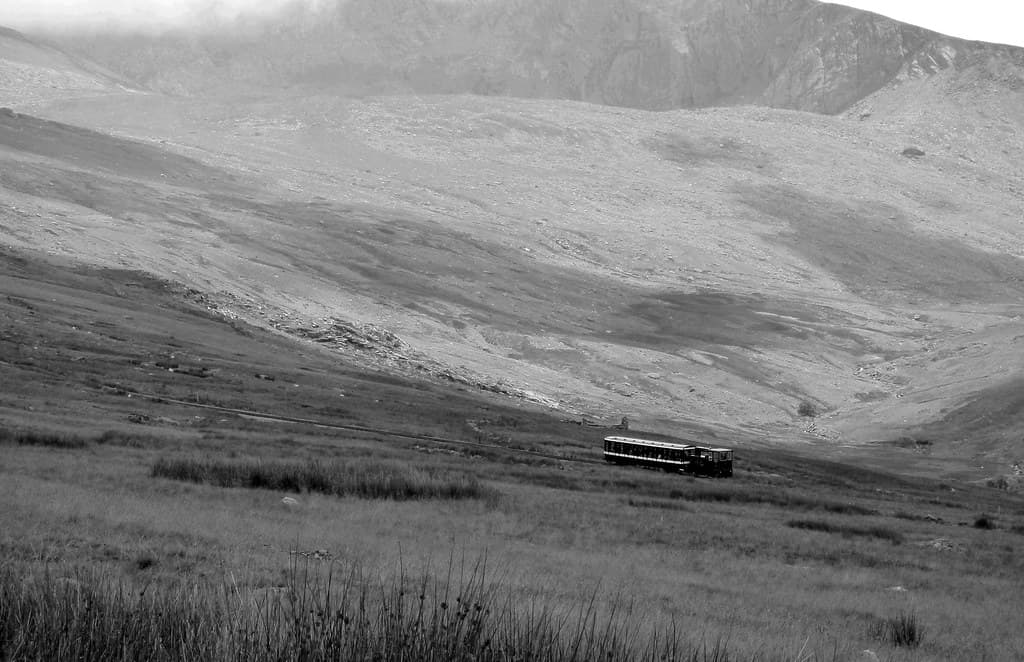
The big draw was, of course, Snowdon. Now, climbing to the summit was out, obviously. But the Snowdon Mountain Railway? That was the plan. A return ticket will set you back about £45-£50 in 2025/2026, depending on the time of year. Booking in advance is absolutely essential.
The train itself is accessible, and the views, even on a cloudy day (which, let's face it, is pretty likely in Snowdonia), are fantastic. The summit building, Hafod Eryri, does have a lift, but be warned: it's small and can get very crowded. The viewing platform up there is also quite exposed, so wrap up warm, even in summer.
Was it worth it? Absolutely. Rhys was blown away, and even I, who've hiked Snowdon countless times, enjoyed the experience. It's a different perspective, and one that opens up the mountain to a whole new audience.
However, that's about where our Snowdonia accessible adventures ended. We had looked at Zip World Fforest Coaster (£25-£35), but after confirming, it wasn't suitable as the safety harness wasn't adaptable enough. Same with Bounce Below. Always double-check. The terrain around the village itself is also quite uneven.
Instead, we jumped in the car and headed to Coed y Brenin. Parking will cost you £2-£7. While the more challenging mountain bike trails like Temtiwr are out, the MinorTaur trail is mostly flat and accessible, offering a good opportunity to experience the forest. I was on my own bike, and Rhys was able to use his handcycle. It's not the most thrilling ride in the world, but it's a pleasant way to spend a few hours.
Driving time from Llanberis to Coed y Brenin is around 45 minutes.
Who should do this: Wheelchair users who want to experience Snowdon, families looking for an accessible forest walk.
Who should skip this: Thrill-seekers looking for extreme activities.
Pembrokeshire: Coasting along the accessible path
Next up was Pembrokeshire, a complete contrast to the rugged mountains of Snowdonia. We spent two nights in Tenby. The town itself is fairly accessible, with a flat promenade and plenty of shops and cafes. Parking can be a nightmare in summer, so get there early or use the park-and-ride.
Our main goal was to explore the Pembrokeshire Coast Path. Now, large sections of it are definitely not wheelchair-friendly, but there are some accessible stretches. We focused on the section between Tenby and Saundersfoot. It's mostly flat and well-maintained, with stunning views of Carmarthen Bay.
We spent a glorious afternoon just pottering along, taking in the sea air, and stopping for ice cream in Saundersfoot. It's not an adrenaline-pumping experience, but it's a chance to enjoy the beauty of the Welsh coast.
I'd recommend checking out Access Pembrokeshire. They have a good, up-to-date, map of accessible routes and beaches.
One highlight was a visit to Carew Castle. While not every part of the castle is accessible, the main courtyard and some of the ground floor are, and there's plenty of information available about the history of the place. It's a good option if the weather turns sour. Entry is around £8 per adult.
We did look into accessible boat trips from Tenby, but unfortunately, none were running during our visit. It's worth checking in advance, especially during peak season.
Who should do this: Wheelchair users who enjoy coastal walks, families looking for a relaxing day out.
Who should skip this: Those seeking challenging hikes or water sports.
What I Learned: The devil is in the details
Planning accessible adventures requires more research and preparation than a regular trip. Don't just rely on websites that claim accessibility. Contact the venues and accommodation providers directly and ask specific questions.
Things I wish I'd known ahead of time:
- Parking: Accessible parking spaces are often limited and can be far from the attractions.
- Toilets: Public accessible toilets are not always well-maintained or even open.
- Surface: Even seemingly flat paths can have uneven surfaces that are difficult to navigate in a wheelchair.
Despite these challenges, our trip was a success. Rhys had a fantastic time, and I learned a lot about what it takes to make Wales more accessible for everyone. It’s not perfect, but things are improving, and with a bit of planning, you can definitely have a cracking adventure, regardless of your mobility.
Next time, I'm keen to explore more of the Brecon Beacons. I've heard good things about the Taff Trail, and I reckon it's worth investigating. Or perhaps a trip further north to Anglesey. The coastal path there looks promising, especially around Newborough Forest.