Wales' Best Wildlife Encounters: From Puffins to Red Kites
A Country Punching Above Its Weight
Wales doesn't get enough credit for its wildlife. While the Scottish Highlands hog the nature documentary spotlight, Wales quietly delivers some of the best wildlife encounters in Europe — and you can reach most of them without a six-hour drive to the middle of nowhere.
Puffins? Got them. Red kites soaring in their hundreds? Absolutely. Dolphins visible from the shore? Regularly. Grey seals hauled out on beaches? All year round. And unlike a lot of "wildlife experiences" that involve squinting at a distant dot through binoculars, many of these encounters are up-close and genuinely unforgettable.
Skomer Island Puffins
When: Mid-April to mid-July (peak late May-June)
Where: Skomer Island, off the Pembrokeshire coast
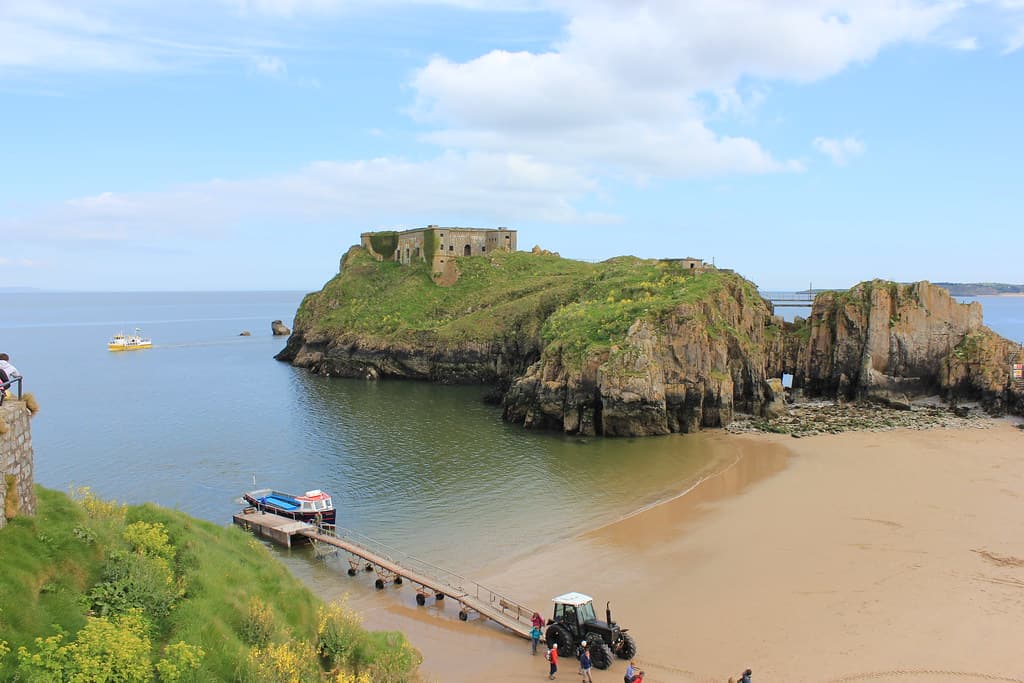
This is the big one. Skomer is home to around 40,000 puffins — one of the largest colonies in Southern Britain — and the experience of visiting is absolutely world-class. These aren't distant seabirds you need a telescope for. On Skomer, puffins waddle past your feet, literally within arm's reach. They couldn't care less that you're there.
The boat crossing from Martin's Haven takes 15 minutes and you'll probably spot harbour porpoises on the way over. Once on the island, the puffins are everywhere — popping out of burrows, crash-landing with beakfuls of sand eels, shuffling about looking perpetually concerned about something.
Pro tips:
- Only 250 day visitors allowed per trip. Book online through the Wildlife Trust of South & West Wales as early as possible — trips sell out weeks ahead
- The overnight stays on Skomer (available through the Wildlife Trust) are extraordinarily special. You get the island virtually to yourself after the day trippers leave, and you can watch Manx shearwaters return to their burrows at dusk — an experience so atmospheric it borders on eerie
- Wear good walking boots. The island paths are uneven and muddy
- Bring lunch and plenty of water — there's nothing to buy on the island
Gigrin Farm Red Kite Feeding
When: Year-round, daily at 2pm (3pm in summer)
Where: Gigrin Farm, Rhayader, Mid Wales
Fifty years ago, red kites were nearly extinct in Britain — down to just a handful of breeding pairs, all in Mid Wales. Today, thanks to one of conservation's greatest success stories, there are thousands. And the best place to see them is Gigrin Farm, where hundreds gather every afternoon for the daily feeding.
This isn't a gentle nature experience. It's genuinely jaw-dropping. Hundreds of red kites wheel and dive overhead, fighting over scraps of meat while buzzards, ravens, and the occasional cheeky crow try to grab what they can. In winter, you might see 500+ kites at once — the sky literally full of them.
What to expect:
- Arrive 30 minutes before feeding time for a good spot in the hides
- Photography is incredible here — bring a long lens if you have one, but even a phone will capture something decent given how close the birds come
- Admission is around £8 for adults. One of the best wildlife bargains in Britain
- Combine with a walk along the Elan Valley reservoirs nearby — stunning Victorian engineering in equally stunning scenery
Dolphins in Cardigan Bay
When: April to November (peak June-September)
Where: Cardigan Bay, particularly around New Quay and Aberaeron
Cardigan Bay has the largest resident population of bottlenose dolphins in the UK — around 300 animals that live here year-round. In summer, they move inshore to feed and socialise, and the sightings from New Quay harbour wall are so regular that locals barely look up from their chips.
Best ways to see them:
- New Quay harbour wall and beach: Free and surprisingly reliable. Dolphins often feed within 50 metres of the harbour, particularly around high tide. Sit with a coffee and watch — you might wait 20 minutes, you might wait 2 hours, but they usually show up
- Boat trips: Several operators run dolphin-watching trips from New Quay and Aberaeron. A Bay to Remember and SeaMor are well-established. Trips cost £15-25 and you'll typically see dolphins, grey seals, and various seabirds. The dolphins often ride the bow wave of the boat, which is as thrilling as it sounds
- Kayaking: For the paddlers, sea kayaking from New Quay gives you a chance of dolphins surfacing right next to your boat. Keep a respectful distance (at least 100m — let them come to you) and resist the urge to chase them
Grey Seals
When: Year-round, pupping season September-November
Where: Ramsey Island, Skomer, the Pembrokeshire coast, Bardsey Island
Wales has some of the most accessible grey seal colonies in Britain. Ramsey Island (boat trips from St Davids) is home to hundreds, and in autumn the beaches fill up with fluffy white seal pups — one of the most photogenic wildlife spectacles going.
You'll also see seals regularly while coasteering, kayaking, or simply walking the Pembrokeshire Coast Path. They're curious animals and will often pop up to stare at you with those enormous dark eyes before rolling over and going back to sleep.
Responsible watching: Keep at least 50m from seals on beaches, especially during pupping season. A stressed seal mother may abandon her pup. Use binoculars, not your feet.
More Wildlife Worth Seeking Out
Ospreys at Cors Dyfi (Dyfi Osprey Project)
When: April to August
A breeding pair returns each spring to a specially built nest at the Dyfi Wildlife Centre near Machynlleth. Live cameras stream the action, but visiting in person and watching from the hide is far more special. Free entry.
Choughs on the Pembrokeshire Coast
When: Year-round
These rare, red-billed corvids are one of Wales's conservation success stories. The Pembrokeshire coast is one of the best places in Britain to see them — look for them on clifftops at Elegug Stacks and around St Davids Head. Their acrobatic flying and distinctive "chee-ow" call make them easy to identify once you know what you're looking for.
Red Squirrels on Anglesey
When: Year-round, best in autumn
Anglesey has its own red squirrel recovery programme, and numbers are growing. Newborough Forest and Pentraeth are good spots. They're shyer than their grey cousins, so patience and quiet footsteps are essential.
Dark Sky Stargazing
Not wildlife exactly, but the Brecon Beacons (now Bannau Brycheiniog) and Snowdonia both have International Dark Sky Reserve status. On a clear night, the Milky Way is visible to the naked eye. It's wildlife for your soul.
Making a Wildlife Trip Work
The beauty of Wales is that you can combine wildlife watching with proper adventure. Kayak to see dolphins in the morning, coasteer in the afternoon. Watch red kites in Mid Wales, then hit the mountain bike trails at Cwmcarn. Visit Skomer for puffins, then surf at Newgale on the way home.
Wildlife watching in Wales isn't a passive, binoculars-only affair. It's woven into the landscape, accessible from the same beaches, clifftops, and waters where you'll be having your adventures anyway. Keep your eyes open. You'll be amazed what shows up.