Photography Gear for Adventure Trips
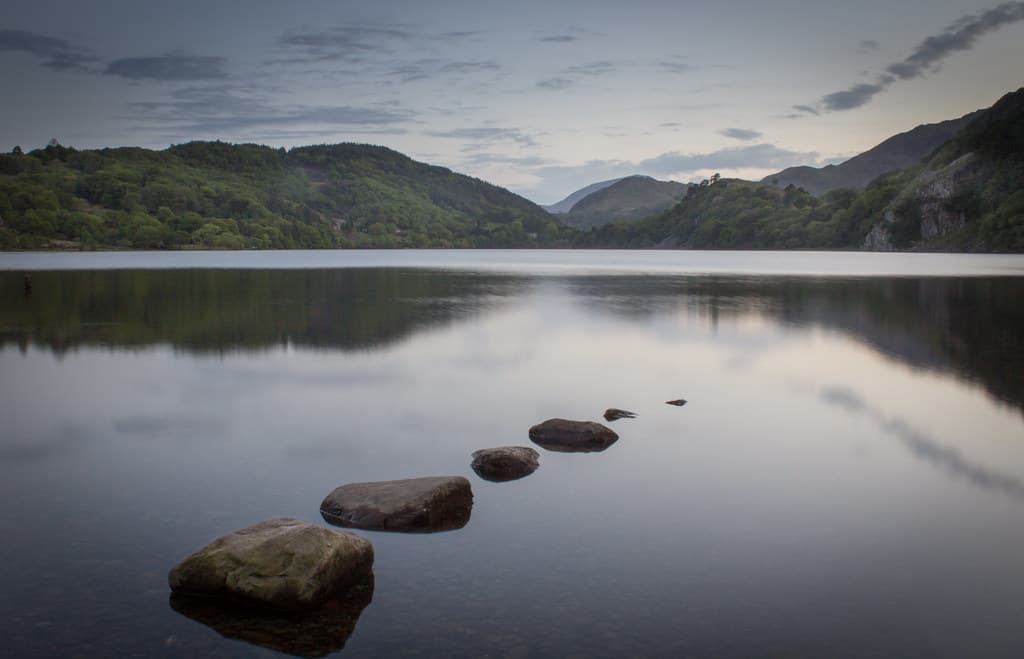
Taking photos on your adventures in Wales is ace, but you need to pack smart. This guide helps you pick the right camera gear that'll survive the Welsh weather and capture the best shots, whether you're scaling Snowdon or exploring the Pembrokeshire coast.
Photography Gear for Adventure Trips
Let’s be honest, lugging around a full camera kit when you're halfway up Crib Goch or scrambling down a gorge in the Brecon Beacons isn't practical. But capturing those memories is important, right? So, here's my take on striking the right balance between image quality, durability, and packability for Welsh adventures.
Choosing the Right Camera
The first question: what kind of photos do you want to take? And how bothered are you about having top-end quality, versus something that just gets the job done?
Smartphone: Don't underestimate your phone. Modern smartphones take surprisingly good photos, especially in decent light. They're waterproof(ish) these days, and you’re already carrying it anyway. Downside? Zoom is usually terrible, and they struggle in low light. Perfect for: casual snaps on family-friendly hikes like the Llanberis Path (\u00a345-65 guided with MountainXperience) or beach days.
Price: Already in your pocket
Action Camera (GoPro, DJI Osmo Action): These little fellas are built for abuse. Waterproof, shockproof, and they shoot wide-angle video and stills. Picture quality is okay, not amazing, but they're incredibly versatile. Great for: Mountain biking at Coed y Brenin (parking \u00a32-7), coasteering with TYF Adventure in Pembrokeshire (\u00a360), or white water rafting at the National White Water Centre (\u00a355-75).
Price: \u00a3200 - \u00a3400
Compact Camera (Sony RX100 series, Canon G7X series): A step up in image quality from action cameras, but still small enough to fit in a pocket. These offer better zoom, low-light performance, and more manual control. Good for: More serious hikers, kayakers, and anyone wanting better quality without the bulk of a larger camera.
Price: \u00a3600 - \u00a31200
Mirrorless or DSLR: If you're serious about photography and don't mind carrying extra weight, these offer the best image quality and versatility. You can swap lenses to suit different situations. Downside is the cost and bulk. Consider these if you are planning to photograph wildlife on Anglesey or capture dramatic landscapes across Snowdonia.
Price: \u00a3800 - \u00a33000+ (body only)
Hire Before You Buy: Not sure which system is for you? Before splashing out on a high-end camera, consider renting. Several shops in Cardiff and online offer short-term rentals. This lets you test a mirrorless camera on a hike up Pen y Fan before committing to a purchase.
Lenses: Choosing Wisely
If you go the mirrorless/DSLR route, lens choice is crucial. Here's what I'd recommend for common Welsh scenarios:
- Wide-angle (10-24mm or similar): Essential for landscapes. Capturing the vastness of the Cambrian Mountains or the dramatic cliffs of the Gower Peninsula.
- Mid-range zoom (24-70mm or similar): Versatile for general use. Good for portraits, street photography, and closer landscape shots.
- Telephoto zoom (70-200mm or similar): For wildlife, distant landscapes, and compressing perspective. Spotting seals on the Pembrokeshire coast or capturing detail on mountain summits.
Forget primes unless you know you'll be doing portraits or still life. You want the ability to zoom in and out if you're high on the mountains.
Weather Protection: Essential in Wales
Wales is known for its… changeable weather. Protecting your gear is vital.
- Waterproof Camera Bag: Get a bag that's actually waterproof, not just "water-resistant." Look for something with taped seams and a roll-top closure. Brands like Ortlieb and Aquapac are reliable.
- Rain Cover: Even with a waterproof bag, a rain cover is a good idea for extra protection. These are cheap and pack small.
- Lens Cloths: Essential for wiping off rain, spray, and mud. Microfiber cloths are best.
- Dry Bags: For smaller items like spare batteries, memory cards, and your phone.
- Desiccant Packs: To absorb moisture inside your camera bag. Especially important in humid conditions.
Seasonal Note: In winter, condensation can be a killer. When moving from cold outdoors to a warm car or building, let your camera acclimatise inside your bag to prevent condensation forming on the lens and sensor.
Accessories: The Little Things That Matter
- Spare Batteries: Cold weather drains batteries faster. Carry at least one spare, preferably two.
- Memory Cards: Nothing worse than running out of space halfway through a stunning sunset. Bring multiple cards.
- Tripod: For landscape photography, especially in low light. A lightweight carbon fiber tripod is a good investment, or just a mini tripod that you can sit on rocks.
- Filters: A polarizing filter reduces glare and deepens colours, especially useful near water. Neutral density (ND) filters allow for longer exposures in bright light, creating motion blur in waterfalls or seascapes.
- Remote Shutter Release: Minimizes camera shake when using a tripod for long exposures.
- Cleaning Kit: Sensor brush, blower, and lens cleaning solution for removing dust and smudges.
Carrying Your Gear: Comfort and Accessibility
Comfort is key when you're hiking or climbing.
- Camera Backpack: A dedicated camera backpack with padded compartments is the most comfortable way to carry a lot of gear. Look for one with good back support and a rain cover.
- Chest Harness: For action cameras or smaller cameras, a chest harness keeps your hands free and allows for quick access.
- Belt Pouch: For a single lens or small accessories, a belt pouch is a convenient option.
- Neck Strap: I wouldn't recommend this for anything strenuous, you'll find it swings around far too much.
Post-Processing: Making Your Photos Shine
Once you've captured your images, a little post-processing can go a long way.
- Software: Adobe Lightroom and Capture One are the industry standards for editing photos. Free alternatives like Darktable and GIMP are also available.
- Basic Adjustments: Learn to adjust exposure, contrast, highlights, shadows, and white balance.
- Local Adjustments: Use brushes and gradients to selectively edit specific areas of your photos.
- Cropping: Improve composition by cropping out distractions.
Final Thoughts
The best camera is the one you have with you. Don't get too hung up on having the most expensive gear. Focus on learning the basics of photography and capturing the moments that matter to you. Whether you're exploring the rugged coastline, climbing the peaks of Snowdonia, or simply enjoying a walk in the woods, Wales offers endless opportunities for stunning photographs. And remember, leave no trace. Pack out everything you pack in, and respect the environment. Happy shooting!