Best Hiking Boots for Welsh Terrain
A practical guide to choosing hiking boots that can handle the mud, rain, and rugged terrain you'll find on Welsh trails, from the Brecon Beacons to Snowdonia.
Best Hiking Boots for Welsh Terrain
Choosing the right hiking boots can make or break your experience in Wales. Forget fancy marketing – here’s what actually matters when you're battling the Welsh elements. We get a lot of rain here, and the terrain is often steep, rocky, and boggy. I’ve squelched through enough peat bogs to have a pretty solid idea of what works and what doesn't.
Understanding Welsh Hiking Conditions
Wales offers a massive variety of hiking, from gentle coastal paths in Pembrokeshire to challenging mountain routes in Snowdonia. But across all of it, a few conditions are consistent:
- Rain: It’s going to rain. Accept it. Waterproofing is essential.
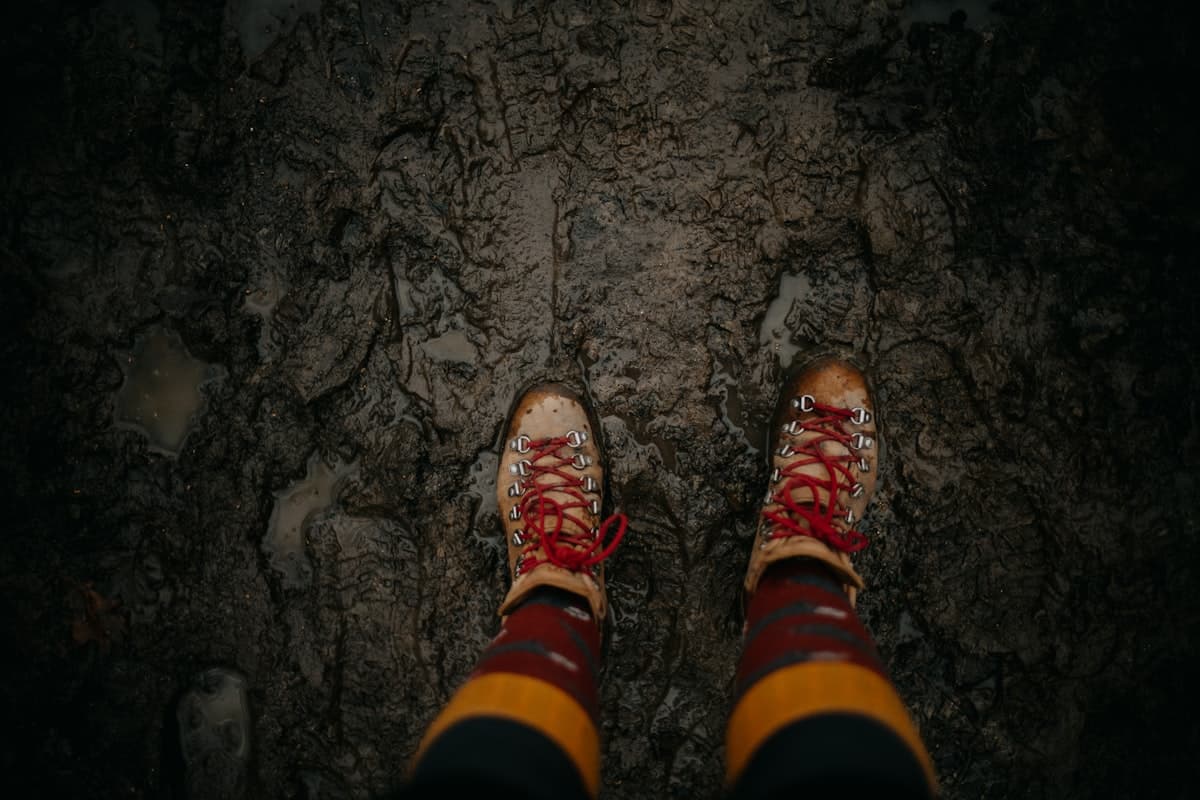
- Mud: Even if it's not raining, the ground holds moisture. Good ankle support is vital to avoid twisting an ankle when sinking into unexpected mud.
- Rocks: Snowdonia, in particular, is very rocky. A stiff sole will protect your feet from sharp edges.
- Variable Terrain: You might encounter everything from grassy fields to scree slopes on a single hike.
This means your Sunday stroll boots probably won't cut it. You need something built for proper work.
Key Features to Look For
Here's what I look for when choosing boots for Welsh hiking:
- Waterproofing: Gore-Tex or similar waterproof/breathable membrane is non-negotiable. Leather boots can be waterproofed, but they require regular maintenance. A boot that's water resistant is useless if you step in a puddle.
- Ankle Support: High or mid-cut boots offer better ankle support than low-cut trail shoes. This is crucial for stability on uneven ground and helps prevent rolled ankles – believe me, I’ve done it.
- Sole Stiffness: A stiffer sole provides better support and protection on rocky terrain. Look for boots with a shank (a stiff piece of material in the midsole). Try bending the boot. A flexible boot will be less supportive on rough ground.
- Traction: Aggressive lugs (the bumps on the sole) provide better grip on mud and loose surfaces. Vibram soles are a common and reliable choice.
- Fit: This is the most important factor. Boots that don't fit properly will cause blisters and foot pain, no matter how good their other features are. Get fitted properly at a shop that knows what they're doing. Go later in the day, after your feet have swollen a bit, and wear the socks you plan to hike in.
Types of Hiking Boots
There are several types of hiking boots, each suited to different types of terrain and hiking styles.
- Lightweight Hiking Boots/Trail Shoes: These are suitable for well-maintained trails and shorter hikes. They are more flexible and lighter than traditional hiking boots. Okay for summer jaunts in the Gower, but useless in Snowdonia most of the year.
- Midweight Hiking Boots: A good all-rounder for most Welsh hiking. These offer a balance of support, comfort, and weight. Great for tackling Snowdon via the Llanberis Path Guided Walk with MountainXperience (£45-65), or exploring trails in the Brecon Beacons.
- Heavyweight Hiking Boots: These are designed for rugged terrain and multi-day backpacking trips. They offer maximum support and durability but are heavier and less comfortable for shorter hikes. Necessary if you're planning something serious, like tackling Crib Goch Guided Walk with MountainXperience (£55-75) in winter.
Recommended Boots (and Alternatives)
I'm not going to tell you exactly which boots to buy, as fit is so personal. But here are a few examples of boots that fit the bill for Welsh hiking, and what to look for in alternatives:
- Midweight Option: Look for something like the Salomon Quest 4 GTX. Price range around £180-£250. Gore-Tex, good ankle support, decent sole stiffness. A solid choice for tackling many trails. Make sure they fit your feet.
- Budget Option: Decathlon's Quechua range offers decent value. You won't get top-end performance, but for occasional hiking, they're a reasonable starting point. Expect to pay around £80-£120.
- Heavyweight Option: If you're planning serious mountain expeditions, consider boots like the Scarpa Kinesis Pro GTX. Stiff sole, high ankle support, durable construction. But be prepared to shell out £250+.
Buying vs. Renting
If you're only planning to hike occasionally, renting boots might seem like a good option. However, I generally advise against it. Fit is so crucial that wearing boots that haven't been properly broken in to your feet can ruin a hike.
If you’re not sure hiking is for you, consider a guided walk with Snowdonia Mountain Guides (£60-80 for a Snowdon Summit Hike). They'll provide advice and insights, and you can get a feel for the activity without investing in expensive gear upfront.
Socks Matter!
Don't underestimate the importance of good hiking socks. Wool or synthetic socks are best. Avoid cotton, as it retains moisture and can cause blisters. Bring extra socks if you’re out all day – you’ll thank me later. Brands like Bridgedale and Smartwool are reliable choices.
Breaking In Your Boots
Never wear new boots on a long hike without breaking them in first. Wear them around the house, on short walks, and gradually increase the distance. This will help soften the leather and mold the boots to your feet. Apply a leather conditioner to leather boots to help soften them and improve their water resistance.
Boot Maintenance
Proper boot maintenance will extend the life of your boots and keep them performing at their best.
- Clean After Each Use: Remove dirt and debris with a brush and water.
- Dry Thoroughly: Allow your boots to air dry completely. Stuff them with newspaper to absorb moisture. Never dry them near a direct heat source, as this can damage the leather.
- Waterproof Regularly: Apply a waterproof treatment to leather boots. Check the manufacturer's recommendations for your specific boots.
Where to Buy Boots in Wales
Most outdoor shops in Wales will carry a good selection of hiking boots. Here are a few of the larger stores:
- Cotswold Outdoor: Multiple locations throughout Wales.
- Go Outdoors: Also multiple locations. Good for budget-friendly options.
- Ellis Brigham Mountain Sports: Cardiff. Specializes in technical mountaineering gear.
Other Considerations
- Hiking Poles: These can provide extra stability and reduce strain on your knees, especially on steep descents. Worth considering if you're tackling tougher hikes in Snowdonia or the Brecon Beacons.
- Gaiters: These cover the gap between your boots and trousers, preventing water, mud, and debris from entering your boots. Especially useful in boggy conditions.
- Insoles: If you have specific foot problems, such as flat feet or high arches, consider using custom insoles for added support and comfort.
Beyond Hiking: Other Welsh Adventures
Once you've got your boots sorted, Wales has plenty more to offer. Consider exploring the Pembrokeshire coast with TYF Adventure or Preseli Venture for some coasteering or sea kayaking. Or head to Zip World in Snowdonia for a different kind of adventure – zip-lining and underground adventures are year-round fun. And of course, BikePark Wales in the Brecon Beacons is a must for any mountain biking enthusiast.
Ultimately, the best hiking boots are the ones that fit your feet and suit the type of hiking you plan to do. Do your research, try on plenty of pairs, and don't be afraid to ask for advice. And most importantly, get out there and enjoy the stunning scenery that Wales has to offer – just make sure you're prepared for the weather!