Budget Gear That Actually Works
Don't blow your budget on fancy gear. This guide covers the essentials you actually need for adventuring in Wales, balancing cost and performance.
Budget Gear That Actually Works
So, you’re planning a trip to Wales. Good on you. Whether you're tackling Snowdon, exploring the Pembrokeshire coast, or shredding the trails at Coed y Brenin (parking £2-7), you'll need the right kit. But you don’t need to break the bank. Let’s talk budget-friendly gear that’ll actually get the job done in proper Welsh weather.
Waterproofs: The Undisputed King
Listen up, because this is crucial: Wales will try to drown you. Investing in decent waterproofs is the single smartest gear decision you can make. Forget looking stylish; focus on staying dry.
- Jacket: Aim for a waterproof jacket with a hydrostatic head rating of at least 10,000mm. This measures the fabric's resistance to water pressure. Look for taped seams and a hood that actually stays on your head in a gale. Decathlon's Quechua range offers solid options in the £50-£80 range. Mountain Warehouse isn't my first choice, but often has sales where you can snag something decent for under £60. Cotswold Outdoor has excellent choices, but be prepared to spend more.
- Trousers: Waterproof trousers are just as important, especially if you plan on doing any hiking. Again, look for at least a 10,000mm hydrostatic head. Similar brands apply here; expect to pay £40-£70. Full-length zips on the legs are a huge bonus, allowing you to get them on and off over your boots without a striptease in a muddy car park.
- Hire vs. Buy: If you're only planning a single trip, and particularly if you're doing something like a guided Snowdon Summit Hike with Snowdonia Mountain Guides (£60-80), it might make sense to hire. However, if you're even remotely considering returning to Wales (and you will!), buying is the way to go. Waterproofs are essential even for something as simple as a coastal walk in the Gower.
Footwear: Ankle Support Matters
Your choice of footwear depends heavily on your planned activities.
- Hiking Boots: For anything beyond a gentle stroll, ditch the trainers and get proper hiking boots. Ankle support is key, especially on uneven terrain like the trails around Llyn Peninsula. Look for a waterproof membrane (Gore-Tex or similar) and a decent lug pattern on the sole for grip. Decathlon’s Quechua boots are again a good starting point at around £60-£90. Trespass offer budget options, but I'd advise spending a bit more for comfort and durability. Consider going to a shop like Go Outdoors where you can try a range on; walking around the store doesn't compare to scrambling up Tryfan, but it's a start.
- Wellies: Essential for camping, festivals, or anything involving prolonged exposure to mud. Basic wellies are cheap as chips (£15-£30), but invest in a pair with a decent lining for warmth. A good pair of wellies are also vital if you plan on doing any wild swimming in the Brecon Beacons.
- Trail Running Shoes: If you're planning on any trail running, consider dedicated trail shoes. They offer better grip and protection than road shoes. Look for aggressive lugs and a rock plate in the sole. Prices range from £70 upwards.
- Hire vs. Buy: Rarely worth hiring. Ill-fitting boots can ruin your trip. Invest in your own, break them in properly, and treat them well.
Layers: Fleece is Your Friend
Welsh weather is notoriously fickle. Sunshine one minute, torrential rain the next. Layering is the key to staying comfortable.
- Base Layers: Moisture-wicking base layers are essential for keeping sweat away from your skin. Synthetic fabrics like polyester or merino wool are good choices. Decathlon offers excellent value options for around £10-£20 per item.
- Mid Layers: Fleece is your friend. A good fleece provides excellent insulation and dries quickly. Look for a mid-weight fleece with a full zip for versatility. Prices range from £20-£50.
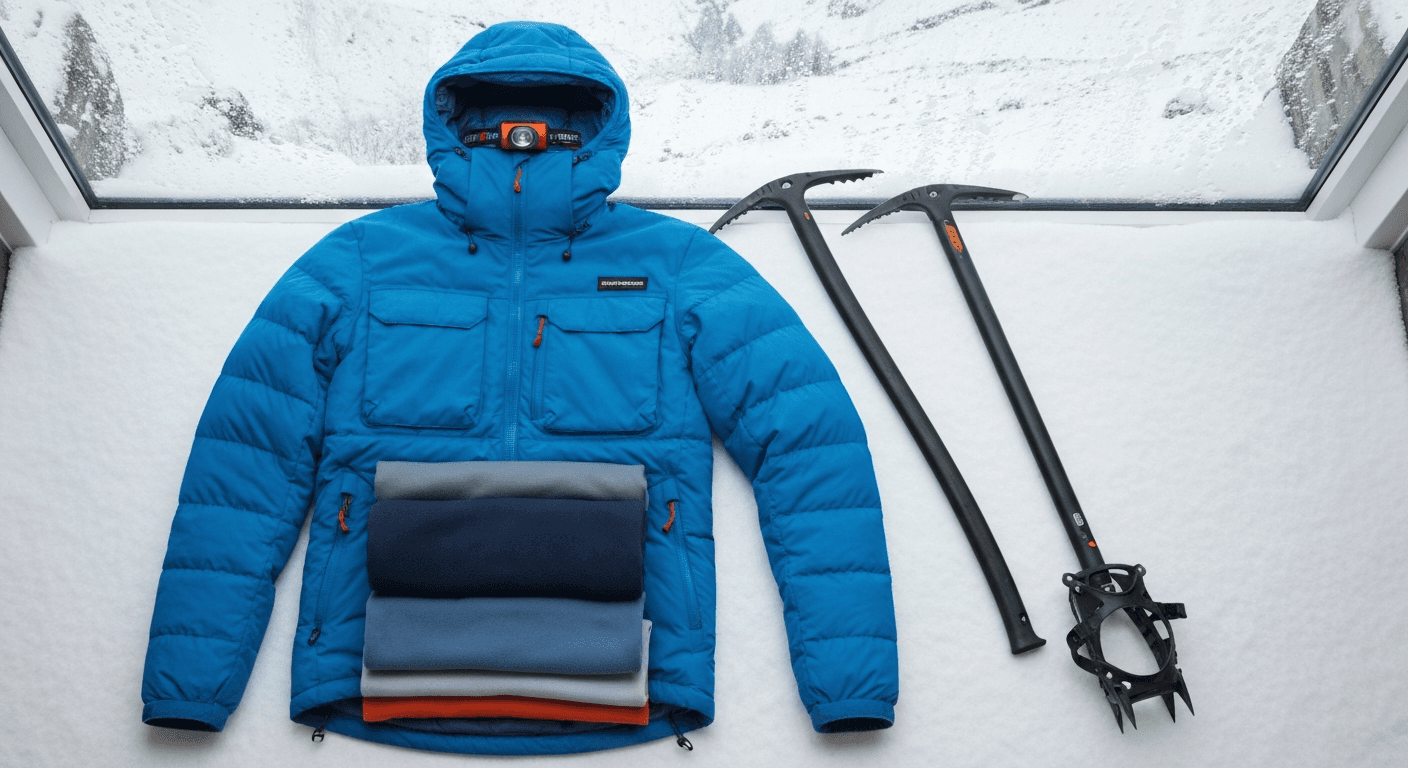
- Insulated Jacket: For colder months (October to April), consider an insulated jacket. Synthetic insulation is generally more practical than down in wet conditions. Prices range from £50 upwards.
- Hire vs. Buy: Base layers and fleeces are cheap enough to buy outright. Insulated jackets might be worth hiring if you're only visiting during the summer months.
Backpack: Size Matters (and So Does Fit)
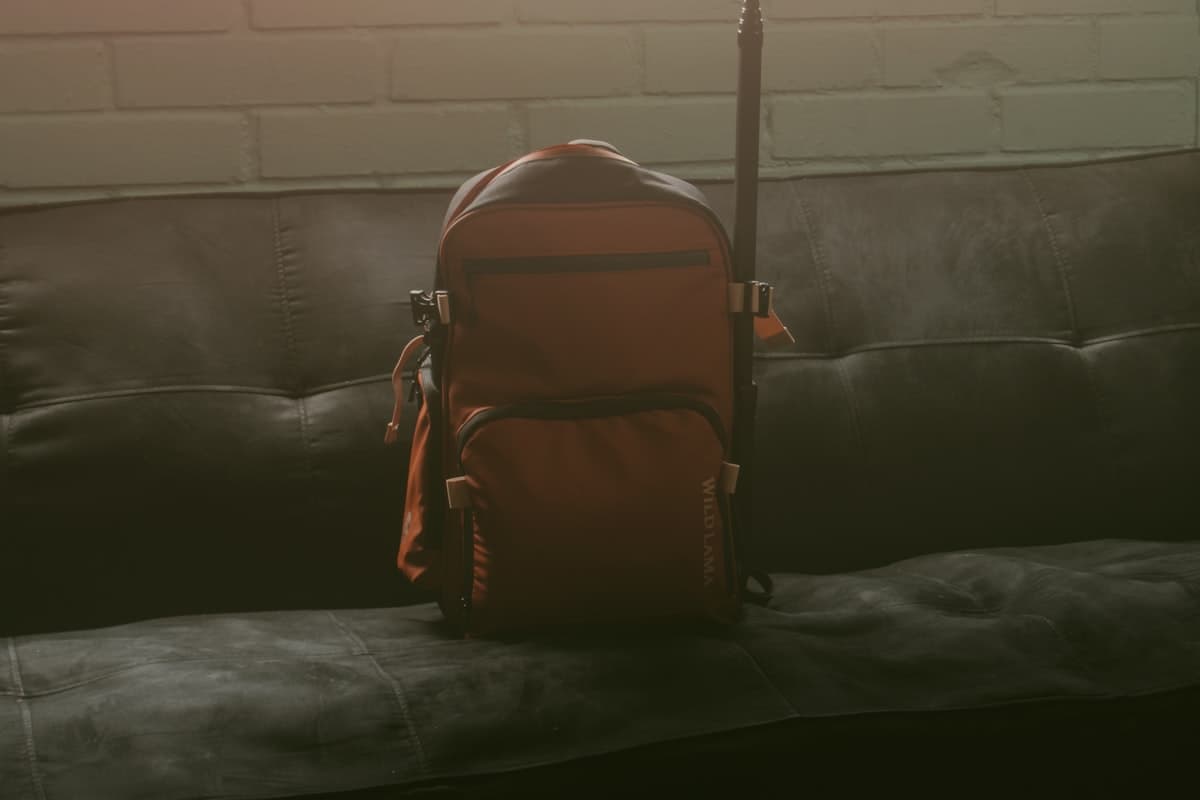
A decent backpack is essential for carrying your gear. Choose the size based on the length of your trips.
- Daypack (20-30 Litres): Ideal for day hikes. Look for adjustable straps, a comfortable hip belt, and a waterproof cover. Prices range from £30 upwards.
- Overnight Pack (40-60 Litres): For multi-day trips. Requires a more robust suspension system and plenty of storage. Prices range from £60 upwards.
- Dry Bag: Absolutely essential for keeping electronics, spare clothes, and snacks dry, especially if you're planning any water-based activities like coasteering with TYF Adventure in Pembrokeshire (£60) or sea kayaking with Plas y Brenin in Snowdonia (£150-400).
- Hire vs. Buy: Backpacks are generally worth buying, as a well-fitting pack will make a huge difference to your comfort.
Navigation: Don’t Rely Solely on Your Phone
Phone batteries die, and signal can be patchy, especially in mountainous areas.
- OS Map: A paper Ordnance Survey map is essential for navigating in the Welsh countryside. Familiarize yourself with map reading skills before you go. Download the OS Maps app for your phone as a backup.
- Compass: Learn how to use a compass! It's a vital skill if you get lost.
- GPS Device: A dedicated GPS device can be useful, but don't rely on it as your only form of navigation.
- Hire vs. Buy: Buy the map. Borrow or buy a compass. GPS devices are a luxury, not a necessity, for beginners.
Camping Gear: Keep it Simple
If you're planning on camping, keep it simple to start.
- Tent: A basic two-person tent is a good starting point. Look for a waterproof rating of at least 3000mm. Decathlon offers affordable options.
- Sleeping Bag: Choose a sleeping bag with a temperature rating appropriate for the time of year. A three-season sleeping bag is a good all-rounder.
- Sleeping Mat: Essential for insulation and comfort. Foam mats are cheap and durable, but inflatable mats are more comfortable.
- Hire vs. Buy: Camping gear can be expensive. Consider hiring a tent and sleeping bag for your first trip. Many campsites offer pre-pitched tents for a hassle-free experience.
Other Essentials: Don’t Forget These
- Headtorch: Essential for navigating in the dark.
- First Aid Kit: Include blister plasters, antiseptic wipes, pain relievers, and any personal medications.
- Sunscreen: Even on cloudy days, the Welsh sun can be surprisingly strong.
- Insect Repellent: Midges can be a nuisance, especially in the summer months.
- Water Bottle or Hydration Pack: Stay hydrated!
- Snacks: Pack plenty of energy bars, nuts, and dried fruit.
- Whistle: For attracting attention in an emergency.
Final Thoughts
Don’t be intimidated by the prospect of buying gear. Start with the essentials – waterproofs, boots, and a backpack – and build from there. Remember, the most important thing is to get out there and enjoy the stunning scenery that Wales has to offer. And if you fancy something a bit more structured, remember that Snowdonia is home to Zip World, where you can experience the Velocity 2 Zip Line (£89-109). Just remember to pack your waterproofs!