GEAR
What to Pack for Hiking in Wales
2/4/20264 min read
---
slug: hiking-gear
title: "What to Pack for Hiking in Wales"
---
What to Pack for Hiking in Wales
Forget the endless gear lists. This is about what you actually need to enjoy hiking in Wales, based on years of experience. We're talking practical, not aspirational.
The Essentials
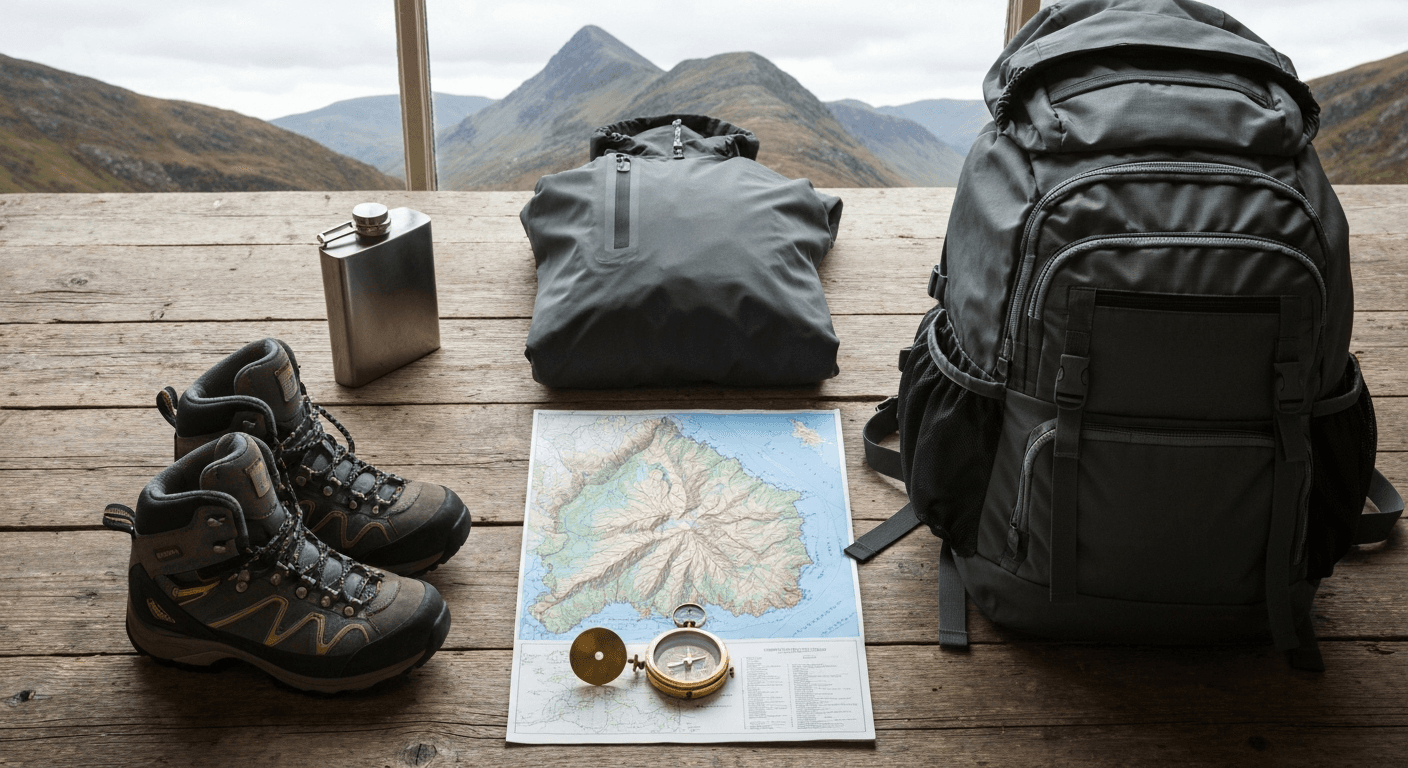
- Waterproof Jacket (and Trousers): This is non-negotiable. Welsh weather is notoriously unpredictable. Expect rain, wind, and sudden changes. A good quality, breathable waterproof jacket is your best friend. Waterproof trousers are almost as essential; think boggy ground and persistent drizzle.
- Hiking Boots (broken in!): Wales offers a diverse terrain, from rocky mountains to muddy valleys. Ankle support and good grip are crucial. Blisters will ruin your trip, so ensure your boots are well broken in before you arrive.
- Navigation (Map & Compass/GPS): Relying solely on phone signal in the Welsh mountains is a recipe for disaster. Download offline maps (e.g., OS Maps app) and/or bring a physical Ordnance Survey map and compass. Know how to use them.
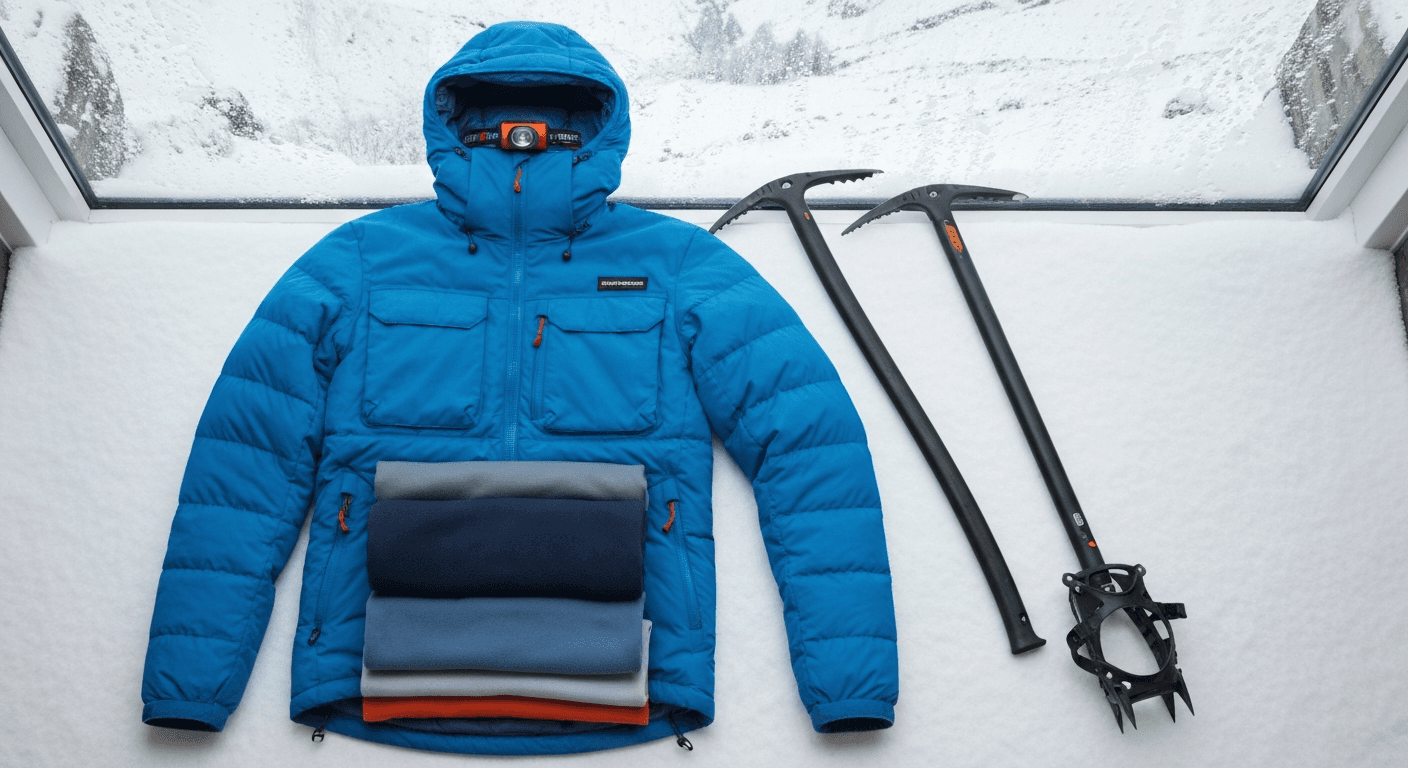
- Headtorch (with spare batteries): Even if you plan a short hike, daylight hours can be shorter than expected, especially in winter. Also useful in an emergency.
- First Aid Kit (basic): Blister plasters, antiseptic wipes, pain killers, and a bandage are essential. Customize it to any personal medical needs.
- Emergency Whistle: A simple, lightweight way to signal for help if you get into trouble. Six short blasts repeated is the international distress signal.
- Food & Water (more than you think): Weather can slow you down. Pack high-energy snacks (nuts, energy bars) and more water than you think you'll need. Hypothermia can strike even in relatively mild temperatures if you're wet and undernourished. A flask of something warm is a great morale booster.
- Warm Layers (fleece/insulated jacket): Even in summer, the temperature can drop significantly at higher altitudes. A fleece or lightweight insulated jacket is vital. Wool or synthetic layers are preferable to cotton as they retain warmth when wet.
- Hat and Gloves: Protect your extremities, even in summer. Wind chill can be significant.
Nice to Have
- Hiking Poles: Helpful for steep ascents and descents, especially if you have knee problems. They provide extra stability on uneven terrain.
- Gaiters: Prevent mud and water from getting into your boots, particularly useful on boggy trails.
- Sunscreen and Sunglasses: Yes, even in Wales! When the sun does shine, it can be surprisingly strong, especially at altitude.
- Small Backpack (20-30 Litres): To carry all your essentials comfortably. Look for one with a rain cover.
- Portable Power Bank: If you're using your phone for navigation or photography, a power bank can be a lifesaver.
- Binoculars: For spotting wildlife or enjoying the views.
- Camera: Capture the stunning Welsh scenery.
- Sit Mat: A lightweight mat to sit on during breaks, keeps you dry and comfortable.
Don't Bother With
- Heavy Hiking Stove & Cooking Gear (for day hikes): Unless you're planning a proper cook-up, a thermos and some snacks are usually sufficient for a day hike. Saves weight and hassle.
- Excessive Clothing: Overpacking is a common mistake. Stick to the essentials and focus on layering.
- Cotton Clothing: Avoid cotton as a base layer, as it absorbs moisture and takes a long time to dry, making you cold.
- Expensive, Non-Waterproof Electronics: Unless you're a professional photographer, leave the expensive camera equipment at home. Stick to your phone (in a waterproof case) or a small, rugged digital camera.
- Unnecessary Gadgets: Leave the fancy multi-tools and survival gear at home unless you have specific wilderness survival training.
Hire vs Buy
- Hiking Boots: If you only plan to hike occasionally, hiring good quality boots from a local outdoor gear shop is a cost-effective option. Ensure they fit properly.
- Specialized Gear (e.g., Crampons, Ice Axe): Only needed for winter mountaineering. Hire these locally from a reputable provider who can also offer instruction on their use.
- Waterproofs: If you're unsure about sizing or quality, hiring before committing to a purchase can be wise.
Generally, items like waterproof jackets, navigation tools, and essential safety equipment are worth investing in if you plan to hike regularly.
Wales-Specific Tips
- Weather: Be prepared for anything. Check the mountain weather forecast before you go (e.g., Met Office Mountain Forecast). Conditions can change rapidly, even in summer.
- Terrain: Expect a mix of challenging terrain, from rocky scree slopes to boggy moorland. Good footwear and navigation skills are essential.
- Remoteness: Parts of Wales are very remote. Tell someone your planned route and expected return time.
- Livestock: Be aware of livestock, especially sheep, grazing on open land. Keep dogs under control and on a lead near livestock.
- Right to Roam: Wales has extensive "Right to Roam" access, but be respectful of the environment and follow the Countryside Code.
- Language: Brush up on basic Welsh phrases (like "bore da" - good morning) to enhance your experience.
By packing smart and being prepared for the specific challenges of hiking in Wales, you can enjoy the breathtaking scenery and have a safe and memorable adventure.