Mountain Biking Kit Guide
---
slug: mountain-biking-gear
title: "Mountain Biking Kit Guide"
activity: "Mountain Biking"
---
Mountain Biking Kit Guide
Mountain biking in Wales presents a unique challenge, demanding robust gear that can handle everything from steep climbs and technical descents to unpredictable weather. Navigating muddy trails, rocky terrain, and sudden downpours requires careful planning and the right equipment. This guide will walk you through the essential kit, offering practical advice to ensure you're prepared for a safe and enjoyable ride, whether you're tackling the trails of Coed y Brenin or exploring the Brecon Beacons.
Essential Kit
Footwear
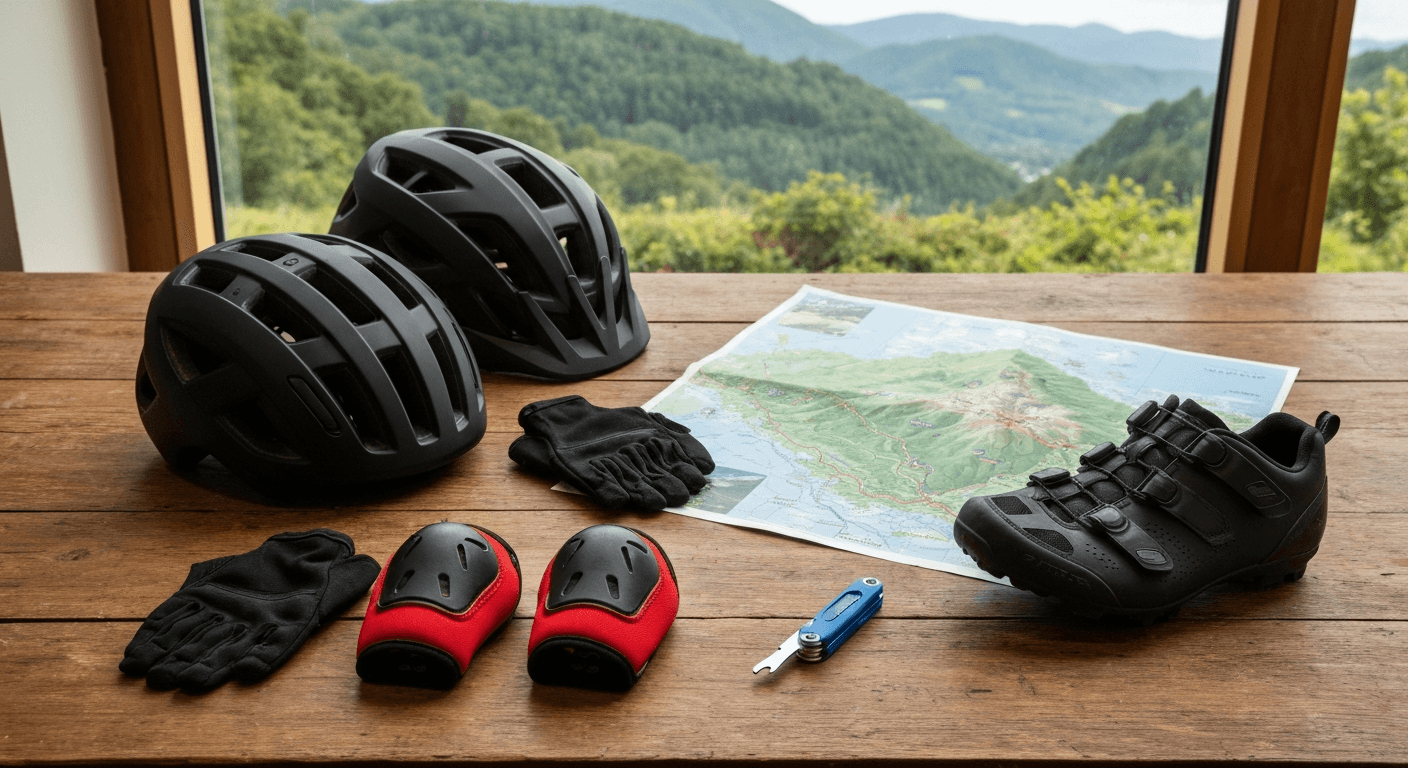
Dedicated mountain biking shoes are a must. Look for stiff soles for efficient power transfer when pedaling, and aggressive tread patterns for grip when walking sections. Clipless (SPD) shoes that clip into your pedals provide even better efficiency and control, but require compatible pedals and some practice to get used to. Alternatively, flat pedal shoes offer excellent grip and are easier to use for beginners. Look for a durable, water-resistant upper.
Clothing
Layering is key in Wales due to the variable weather. Start with a moisture-wicking base layer to keep sweat away from your skin. Add a mid-layer fleece or insulated jacket for warmth, and top it off with a waterproof and breathable outer shell. Mountain biking shorts with a padded liner (chamois) are essential for comfort on longer rides. Consider long-sleeved jerseys for added protection from scrapes and the sun. Gloves are vital for grip and protection.
Equipment
A well-maintained mountain bike is the most crucial piece of equipment. Ensure your brakes are working effectively, your tires are properly inflated, and your gears are shifting smoothly. Always carry a basic repair kit including a multi-tool, tire levers, spare inner tube (or tubeless repair kit), and a pump or CO2 inflator. A helmet is non-negotiable for safety. Eye protection (sunglasses or clear lenses) is essential to protect your eyes from mud, debris, and the sun.
Protection
Beyond a helmet, consider additional protection depending on the trails you plan to ride. Knee pads and elbow pads are highly recommended, especially for more technical terrain. Body armour can provide even greater protection for aggressive riding. A full-face helmet offers maximum protection for downhill riding.
Nice to Have
- Bike computer: Tracks speed, distance, elevation, and more.
- Hydration pack: Keeps water and essential tools easily accessible.
- GPS device: For navigation and tracking your routes.
What to Leave at Home
- Cotton clothing: Absorbs sweat and stays wet, making you cold.
- Heavy backpacks: Can throw off your balance and cause fatigue.
Hire vs Buy
Consider hiring a mountain bike locally, especially if you're new to the sport or unsure about the type of bike you need. Local bike shops will offer well-maintained bikes and expert advice. However, if you plan to ride regularly, investing in your own bike will ultimately be more cost-effective. Essential safety gear like helmets and knee pads can often be hired, but consider buying your own for a better fit and hygiene.
Budget Options
Prioritize essential safety gear like a helmet and gloves. Look for sales and discounts on end-of-season gear. A basic multi-tool and tire repair kit are relatively inexpensive but crucial. You can often find good quality second-hand bikes. Investing in a comfortable chamois is worth the money.
Packing Checklist
- [ ] Mountain Bike
- [ ] Helmet
- [ ] Mountain Biking Shoes
- [ ] Mountain Biking Shorts (with chamois)
- [ ] Moisture-wicking Base Layer
- [ ] Mid-layer Fleece or Insulated Jacket
- [ ] Waterproof and Breathable Outer Shell
- [ ] Gloves
- [ ] Multi-tool
- [ ] Tire Levers
- [ ] Spare Inner Tube (or Tubeless Repair Kit)
- [ ] Pump or CO2 Inflator
- [ ] Sunglasses or Clear Lenses
- [ ] Knee Pads (optional)
- [ ] Elbow Pads (optional)
- [ ] Hydration Pack
- [ ] First-aid kit
- [ ] Sunscreen
- [ ] Insect repellent
- [ ] Map/GPS device
- [ ] Energy bars/snacks
Pro Tips
- Pre-ride inspection: Before each ride, check your bike for any loose bolts, worn tires, or other potential issues.
- Chain lubrication: Keep your chain clean and lubricated for smooth shifting and longer chain life.
- Pack strategically: Distribute weight evenly in your hydration pack to avoid back pain.