Solo Adventure Safety Checklist
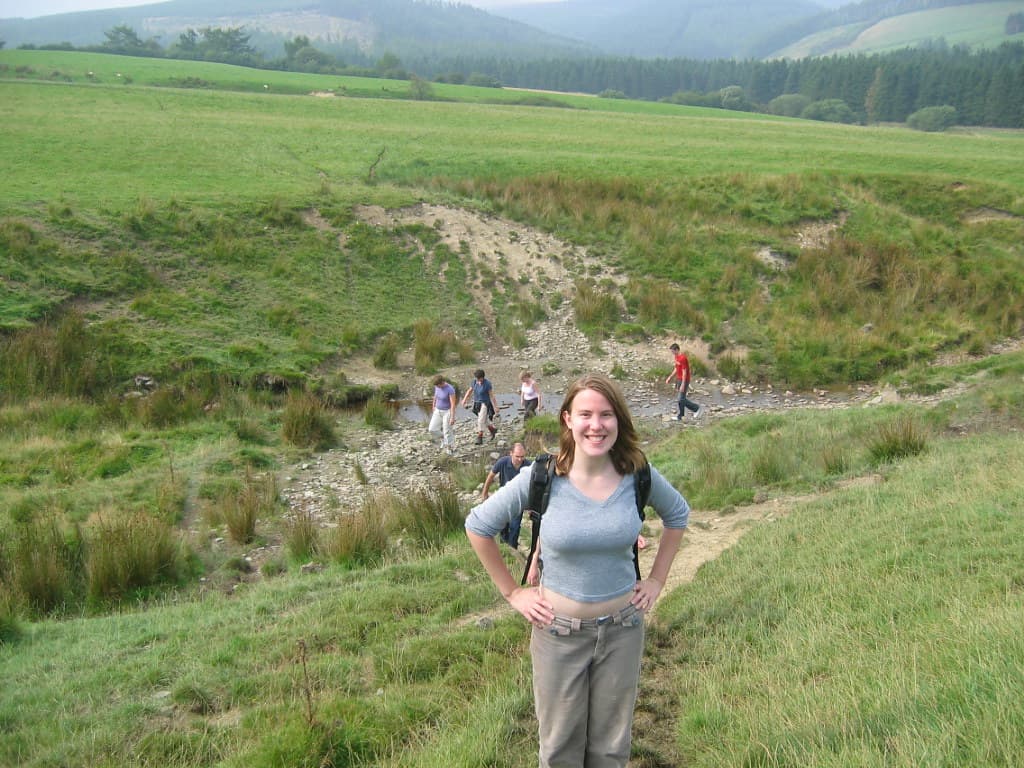
Solo adventures in Wales are brilliant – the freedom, the challenge, the quiet moments of awe. But they demand a different kind of respect. Here’s how to stack the odds in your favour.
Solo Adventure Safety Checklist
Planning a solo hike up Snowdon, a wild swim in Llyn Ogwen, or even just a quiet wander through Coed y Brenin? Good on you. Wales is built for this kind of thing. But going it alone means you're solely responsible for your own safety. No one’s there to spot your mistake, bandage your knee, or call for help when things go sideways. This checklist isn't about scaring you off; it's about ensuring you come back with stories, not scars.
1. Plan Like Your Life Depends On It (Because It Might)
This ain’t your average Sunday stroll. Proper planning is non-negotiable.
- Route Planning is King: Don’t just wing it. Buy an OS map (the OL17 for Snowdonia, for example) and learn how to read it. Plot your route in detail, accounting for elevation gain, potential hazards (like stream crossings or exposed ridges), and bailout points. Consider using an app like OS Maps or Viewranger to plan and navigate. Don’t rely solely on your phone; batteries die, and signal vanishes faster than a pint on a Friday night.
- Weather is Non-Negotiable: Check the Met Office Mountain Weather Forecast and MWIS (Mountain Weather Information Service) the day before and the morning of your trip. Mountain weather in Wales is notoriously fickle. Sunshine can turn to torrential rain and thick fog in minutes. Understand what the forecast means – wind speed, visibility, precipitation probability. If there's a high probability of poor weather, postpone. Seriously. No summit is worth your life.
- Inform Someone of Your Plans: This is crucial. Tell a friend, family member, or even the local pub landlord (they always know everything anyway) your exact route, start time, expected return time, and what to do if you don't check in. Agree on a trigger time for raising the alarm.
- Assess Your Skill Level Honestly: Don't attempt Crib Goch as your first mountain scramble. Be brutally honest about your fitness, navigation skills, and experience. Start small and build up gradually. If you’re unsure, consider a guided walk with Snowdonia Mountain Guides (£60-80 for a Snowdon Summit Hike) or Plas y Brenin.
2. Gear Up for Success (and Survival)
Your kit can be the difference between a great day and a bad one.
- The Essentials are Non-Negotiable:
* Navigation: Map, compass, GPS device (as backup), and the knowledge to use them all.
* Insulation: Layers, layers, layers. Even on a sunny day, the temperature can plummet at higher altitudes. Pack a waterproof jacket and trousers, a fleece or down jacket, and a hat and gloves. Merino wool base layers are ideal.
* Illumination: Headtorch with spare batteries. Essential, even if you plan to be back before dark. Delays happen.
* First Aid: A well-stocked first-aid kit with blister treatment, pain relief, antiseptic wipes, bandages, and any personal medications. Learn how to use it. A basic first aid course is worth its weight in gold.
* Nutrition and Hydration: High-energy snacks (chocolate, energy bars, nuts) and plenty of water. A hydration bladder is convenient, but a backup water bottle is a good idea. Consider a water filter or purification tablets if you're relying on natural water sources.
* Emergency Shelter: A lightweight survival bag or bivy bag can provide crucial protection from the elements if you get stuck.
* Communication: Fully charged mobile phone in a waterproof case. But remember, signal is often unreliable in the mountains. A personal locator beacon (PLB) or satellite messenger (like a Garmin inReach) is a worthwhile investment for remote areas. These devices allow you to send SOS messages even without mobile phone signal.
- Footwear Matters: Invest in a good pair of hiking boots that are properly broken in. Blisters can ruin a trip (and potentially lead to more serious problems). Thick hiking socks are essential.
- Check Your Gear Regularly: Before each trip, inspect your gear for wear and tear. Check your boots, test your headtorch, and replenish your first-aid kit.
3. On-the-Ground Savvy
Once you’re out there, your decisions become even more critical.
- Navigation Awareness: Constantly monitor your location on the map and compass. Don't wait until you're lost to start navigating. Use landmarks to confirm your position. If visibility deteriorates (fog descends), retrace your steps to the last known point.
- Pace Yourself: Don't try to conquer the mountain in record time. Start slowly and maintain a steady pace. Take regular breaks to rest, hydrate, and refuel.
- Assess Hazards Constantly: Be aware of potential dangers, such as steep drops, loose rocks, slippery surfaces, and stream crossings. Take extra care in exposed areas.
- Trust Your Instincts: If something feels wrong, it probably is. Don't be afraid to turn back, even if you're close to your objective. Pride is a dangerous companion in the mountains.
- Know Your Limits: Recognize the signs of fatigue, hypothermia, and altitude sickness. If you experience any of these, stop immediately and take appropriate action.
- Leave No Trace: Pack out everything you pack in. Respect the environment.
4. Dealing with the Unexpected
Even with the best planning, things can still go wrong.
- Getting Lost: The most common problem. Stay calm. Don’t wander aimlessly. Try to retrace your steps to the last known point. Use your map and compass to get your bearings. If you can't find your way, call for help (if you have signal) or use your PLB.
- Injuries: Treat minor injuries yourself with your first-aid kit. For serious injuries, call for help (if possible) and stay warm and dry. If you can't call for help, use your PLB and prepare to wait for rescue.
- Weather Turning Bad: Seek shelter if possible. Put on extra layers. If you're exposed, find a sheltered spot and hunker down. If you have to keep moving, navigate carefully and be aware of the increased risk of slips and falls.
- Equipment Failure: Carry essential repair tools (duct tape, knife, cord) and know how to use them. If your boots fail, try to repair them with duct tape. If your headtorch dies, use your spare batteries.
Specific Welsh Hazards
- Snowdonia's Scrambles: Routes like Crib Goch and Bristly Ridge are exhilarating, but require experience and a head for heights. Don’t attempt them solo unless you are very confident in your abilities. Consider a guided experience with MountainXperience.
- Pembrokeshire's Coastal Paths: Stunning, but exposed. Strong winds and unpredictable tides can be dangerous. Check tide times and be aware of potential tidal cut-offs. Coastal coasteering with TYF Adventure (£60) or Preseli Venture is safer than scrambling on your own.
- Brecon Beacons' Bogs: The seemingly harmless moorland can conceal deep, treacherous bogs. Stick to marked paths and be wary of wet, muddy areas.
Solo Doesn’t Mean Unprepared
Going solo is about self-reliance, but it's not about reckless abandon. By planning carefully, packing the right gear, and making smart decisions on the ground, you can enjoy the freedom and solitude of the Welsh wilderness while minimizing the risks. Now get out there, enjoy it, and come back safe. And maybe, just maybe, I'll see you on the trails. But if you are planning a trip around Snowdonia or Pembrokeshire and want to try your hand at Mountain Biking around Coed y Brenin or Sea Kayaking around the coast, make sure to read up on the right safety procedures for that as well.