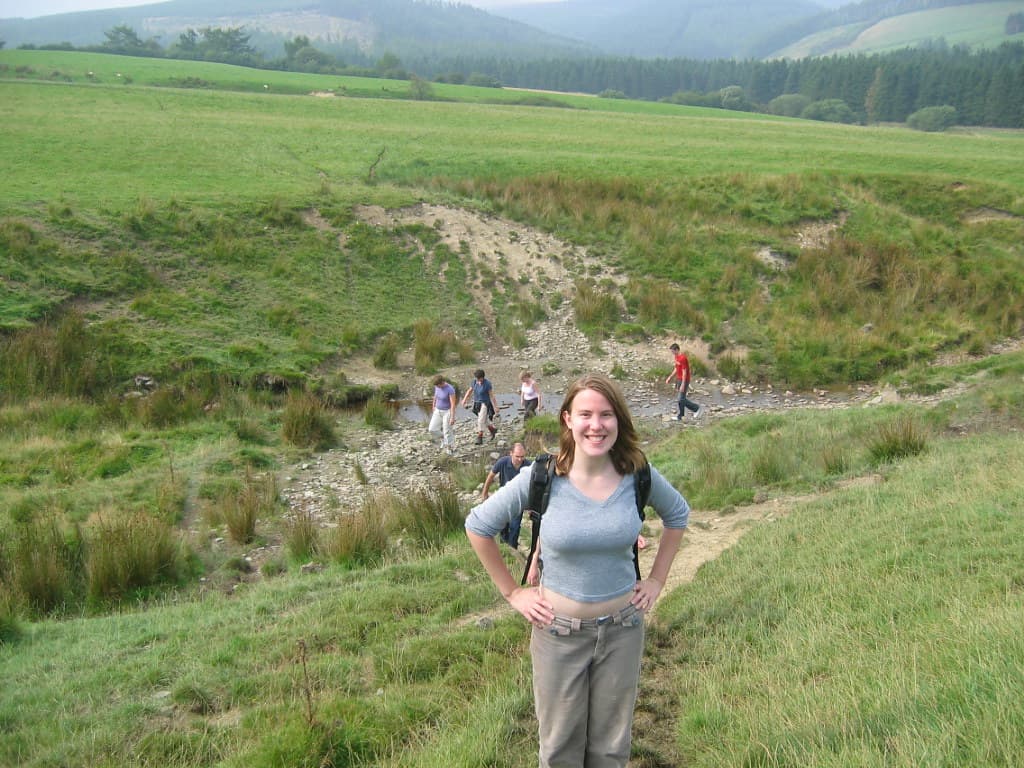
Tick Awareness for Welsh Outdoor Adventures
Ticks are a real but manageable risk when enjoying Wales' incredible landscapes. Here's what you need to know to protect yourself from bites and Lyme disease while hiking, climbing, and exploring.
Tick Awareness for Welsh Outdoor Adventures
Alright, let's talk about ticks. Not the kind that tell time, but the tiny bloodsuckers you might encounter when you’re out enjoying the Welsh countryside. Look, nobody wants to think about these little blighters, but ignoring them is how you end up with a problem. This isn’t about scaremongering; it’s about being prepared and knowing how to deal with ticks if you find one.
Why Worry About Ticks?
The main worry is Lyme disease, a bacterial infection spread through tick bites. It's not guaranteed you'll get it – most tick bites are harmless – but the consequences of untreated Lyme disease can be serious, affecting your joints, heart, and nervous system.
While Lyme disease isn't rampant in Wales, it's present. And honestly, the odds of getting it are small, but the hassle of dealing with it and the anxiety after a bite is worth avoiding if you can.
Ticks thrive in woodland, moorland, and grassy areas, which, let's face it, is basically everywhere outside of Cardiff city centre. Places like Coed y Brenin forest, great for mountain biking, or even a straightforward walk up the Llanberis Path on Snowdon, can be tick hotspots.
Tick Prevention: Gearing Up and Planning Ahead
Prevention is far easier than treatment, so listen up:
- Clothing: Wear long trousers and long-sleeved shirts when possible, especially in high-risk areas. Tuck your trousers into your socks – yes, it might look a bit daft, but it works. Light-coloured clothing makes it easier to spot ticks crawling on you.
- Repellents: Use a DEET-based insect repellent. You can pick this up at any chemist; Boots on Bangor High Street will do the trick. Spray it on your skin and clothing, following the instructions carefully.
- Stick to the Path: When hiking, try to stick to the centre of paths to avoid brushing against vegetation where ticks are likely to be lurking. This isn't always possible, especially on a scramble like Crib Goch, but bear it in mind. If you're doing something like gorge walking with Adventure Britain in the Brecon Beacons, you're going to be in exactly the sort of environment they love. So extra vigilance is key.
- Know the Season: Ticks are most active between spring and autumn. Winter can be better but still check!
Tick Checks: The Post-Adventure Ritual
Right, you're back from your hike, climb, or cycle. Now's the time to get properly acquainted with your own body.
- Full Body Inspection: Check yourself (and your children or dogs) thoroughly for ticks. Pay close attention to areas like your groin, armpits, and scalp. A mirror helps for those hard-to-see spots.
- What to Look For: Ticks are small – nymph ticks (the most common transmitters of Lyme disease) are about the size of a poppy seed. They can be black or brown. Sometimes, you might just see a small red bump.
- Timing is Key: The sooner you find and remove a tick, the lower your risk of infection.
Tick Removal: Doing it Right
Found a tick? Don't panic. Here's how to get rid of it:
- Use Fine-Tipped Tweezers: Grab the tick as close to the skin as possible. Don't use your fingers!
- Pull Steadily Upwards: Don't twist or jerk the tick, as this can cause the mouthparts to break off and remain in the skin.
- Disinfect: After removing the tick, clean the bite area with antiseptic or soap and water.
- Don't Use Folk Remedies: Forget about burning them off or using petroleum jelly. Tweezers are the way to go.
What to Do After a Bite: Monitoring and Medical Advice
You've removed the tick. Now what?
- Watch for Symptoms: Keep an eye out for symptoms of Lyme disease, which can include a circular red rash (erythema migrans), fatigue, fever, headache, and muscle aches. The rash doesn't always appear, so don't rely on it.
- When to See a Doctor: If you develop any of these symptoms, see a doctor immediately. Early treatment with antibiotics is usually very effective. Don't delay; your GP in Machynlleth isn't going to be impressed if you've left it for weeks.
- Tick Testing (UK Perspective): In the UK, routine testing of ticks isn't generally recommended. The focus is on monitoring for symptoms in the person who was bitten. If you're really worried, you can send the tick off for private testing, but honestly, it's often more trouble than it's worth. Just keep an eye on yourself.
Dealing with the Fear Factor
I get it. The thought of Lyme disease is scary. But don't let it stop you from enjoying the Welsh outdoors. Knowledge is power. Being informed and taking precautions is the best way to minimize your risk.
Think of it like this: you don't stop driving because there's a risk of a car accident, do you? You take sensible precautions – wear a seatbelt, drive safely – and enjoy the journey. It's the same with ticks.
Final Thoughts
Don't let the fear of ticks keep you from exploring Wales. From the stunning Pembrokeshire coast, where you could be coasteering with TYF Adventure for around £60, to the thrilling zip lines at Zip World in Snowdonia (Velocity 2 from £89), there's just too much to miss. Be smart, be prepared, and get out there and enjoy it.
And remember, if you're heading to Snowdonia, pre-book your parking at Pen-y-Pass. Trust me on that one. It’ll save you a headache that no amount of tick repellent can cure. You might also consider a guided walk up Snowdon with MountainXperience for £45-75 if you're not confident on the mountain.