Vanlife Week: Touring Wales' West Coast
Wales' west coast, from the Llyn Peninsula down to Pembrokeshire, is a cracking road trip if you're in a van and chasing waves. This is how I spent a week exploring it, where I camped, and what I learned.
Vanlife Week: Touring Wales' West Coast
Alright, listen up, because I'm about to spill the beans on a recent van trip down the west coast of Wales. Forget the picture-perfect Instagram nonsense; this is about the reality of trying to surf, camp, and generally survive in a tin can on wheels in a country where the weather changes more often than I change my socks.
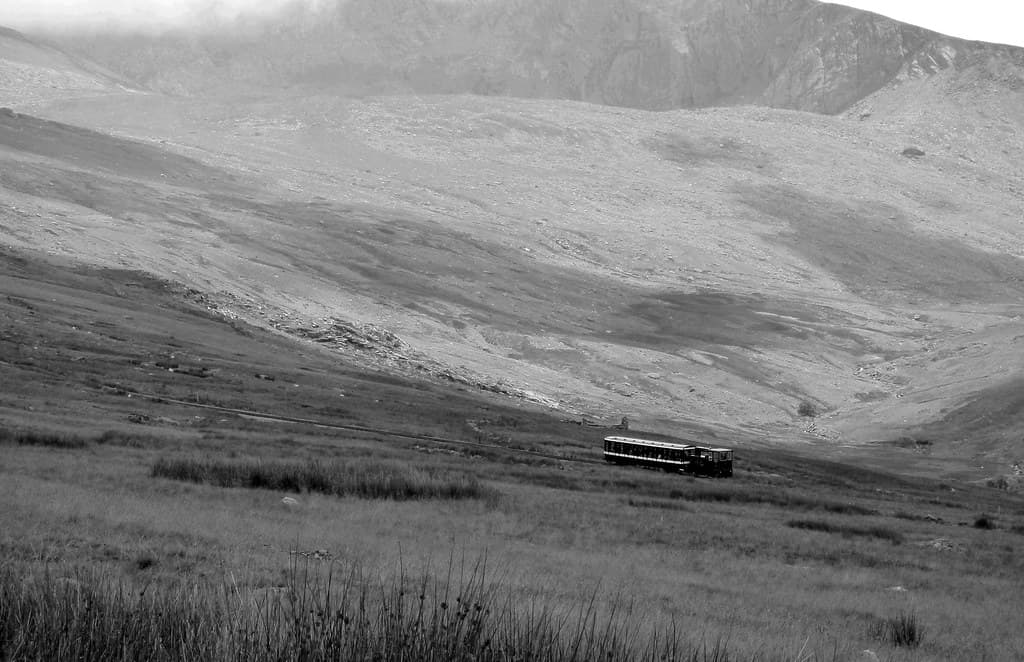
The Iron Horse and the Open Road
My chariot for this escapade was a trusty, if slightly rusty, VW Transporter. Nothing fancy, just a basic conversion with a bed, a small cooker, and enough storage for my board and a questionable amount of wet gear. Fuelled up and ready to roll, I set off from my place near Betws-y-Coed in Snowdonia (allow 1.5 hours drive, longer if you stop for a bacon butty).
First things first, if you haven't driven these roads before, be warned: they're not for the faint of heart. Single-track lanes, blind corners, and sheep that think they own the place are all part of the charm (or the frustration, depending on your mood). Take it slow, enjoy the scenery, and don't be afraid to use the passing places.
Llyn Peninsula: Surf's Up (Maybe)
My initial target was the Llyn Peninsula. I’d heard whispers of decent surf around Aberdaron and Porth Neigwl (Hell's Mouth). Aberdaron is a lovely little village, but parking can be a pain, especially in peak season. There's a pay-and-display car park near the beach (£5 for the day, cash only last time I was there). The waves were… underwhelming. A bit of a ripple, really. Good for beginners, maybe, but not what I was after.
Hell's Mouth lived up to its name. A long, exposed beach that can pick up some serious swell, but also serious wind. The wind was howling, making the surf choppy and miserable. Still, I persevered, paddled out, and managed a few wobbly rides. The car park here is massive and usually has space (£6 for the day). There's a toilet block, too, which is always a bonus.
Camping: I spent the night at a campsite just outside Aberdaron. It was basic but did the job - costing £25 for the night, including electric hookup (which I didn't need, but hey). There are plenty of campsites dotted around the Llyn, so you won't be stuck for choice. Just book ahead in the summer months. If you are looking for a wild camp spot, it is tough on the Llyn but there are some pull in spots for vans near Rhiw (but please be respectful and take all rubbish away).
Verdict: The Llyn is beautiful, but the surf is hit-or-miss. Worth a visit if you're in the area, but don't expect pumping barrels. Plus, from here it's easy to explore Snowdonia - fancy a hike up Snowdon Summit after a day on the beach? Or maybe some Mountain Biking in Coed y Brenin?
Ceredigion: Aberystwyth and Beyond
From the Llyn, I headed south to Ceredigion. Aberystwyth is the biggest town in the area, with a decent beach and a lively student population. Parking is, again, a challenge. The promenade fills up quickly, and the side streets are mostly permit holders only. There's a multi-story car park near the train station (£8 for the day), which is your best bet.
The surf in Aberystwyth is usually small and crowded, but it can be fun on its day. More of a longboard wave. I didn't bother. Instead, I drove further south, towards New Quay.
New Quay is a picturesque little harbor town, famous for its dolphins. I didn't see any dolphins, but I did find a decent pasty and a parking spot near the beach (£4 for a couple of hours). The surf here was small but clean, and the water was surprisingly warm. I spent a few hours pottering about and enjoying the sunshine.
Camping: I opted for a free night. There are a couple of laybys just south of New Quay on the A487 where overnight parking is tolerated. Just be discreet, arrive late, leave early, and don't make a mess.
Verdict: Ceredigion is a bit more laid-back than the Llyn. Worth a stop if you're passing through, but don't expect world-class surf.
Pembrokeshire: The Promised Land
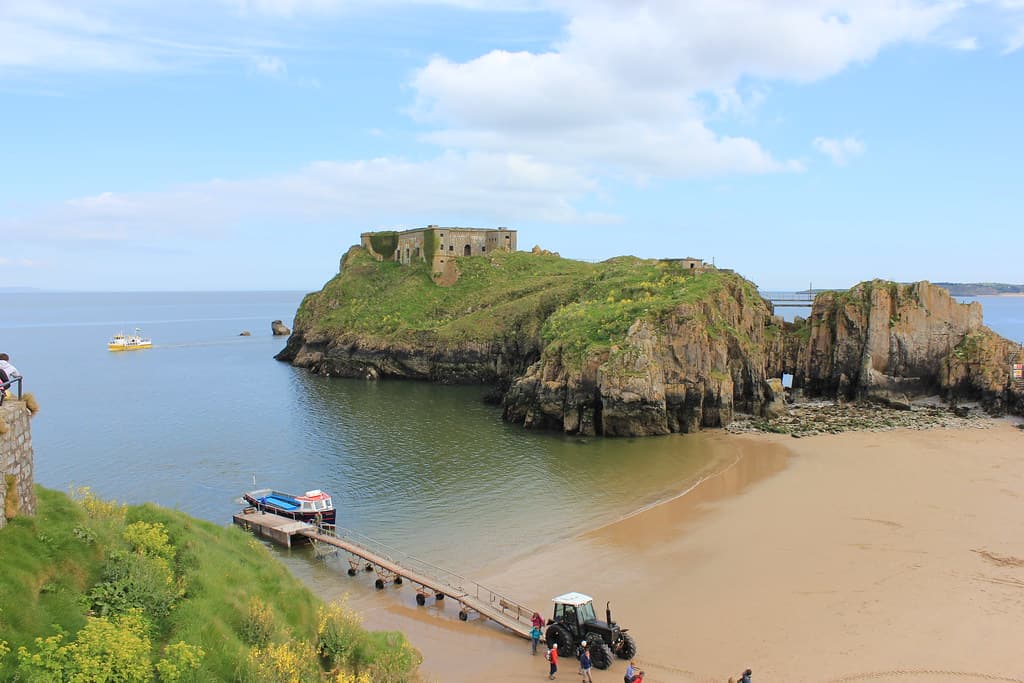
Finally, I reached Pembrokeshire. This is where the magic happens. Pembrokeshire Coast National Park is stunning, with dramatic cliffs, sandy beaches, and some of the best surf in Wales.
My first stop was Whitesands Bay, near St Davids. This is a classic Pembrokeshire beach, with golden sand, clear water, and consistent waves. The car park is right on the beach (£5 for the day), but it fills up quickly in the summer. Get there early! The surf was pumping. Head-high, clean, and peeling lefts. I spent the entire day in the water, catching wave after wave.
That evening, I treated myself to a Coasteering trip with TYF Adventure in St Davids (£60). I was knackered from surfing all day, but it was well worth it. Scrambling over rocks, jumping into the sea, and exploring hidden coves. Brilliant fun. And you don't need any experience. Wetsuits and gear are provided.
The next day, I drove down to Freshwater West. This is a wild, exposed beach that can handle some serious swell. It's also where they filmed parts of Harry Potter (the shell cottage scene, if you're interested). The surf here can be powerful and unforgiving, so it's not for beginners. I saw a few guys getting absolutely hammered by the waves. I paddled out anyway and managed a few decent rides before calling it a day.
Camping: Pembrokeshire has loads of campsites, from basic farmers' fields to fancy holiday parks. I stayed at a campsite near Freshwater West (£30 a night). It had hot showers, which was a godsend after a day in the sea. Wild camping is more difficult here.
Surfing lessons: If you are looking for some tips then check out the surf schools in Pembrokeshire.
Verdict: Pembrokeshire is the real deal. If you're a surfer, you need to come here. The scenery is breathtaking, the waves are consistent, and the atmosphere is infectious. Just be prepared for crowds, especially in the summer.
Costs and Considerations
So, how much did this little adventure cost? Here's a rough breakdown:
- Fuel: £150 (ish)
- Campsites: £55 (2 nights in campsites, 1 night wild)
- Parking: £30 (bloody expensive, isn't it?)
- Coasteering: £60
- Food and drink: £100 (I mostly cooked in the van, but I did treat myself to a few pasties)
- Total: £395
Not exactly cheap, but worth every penny.
Things to consider:
- Weather: Wales is notorious for its unpredictable weather. Be prepared for rain, wind, and sunshine, all in the same day. Pack layers and waterproofs.
- Crowds: Pembrokeshire is popular, especially in the summer. Book campsites in advance and get to the beaches early.
- Parking: Parking can be a nightmare, especially in peak season. Be prepared to pay, and be patient.
- Midges: These little bastards can ruin your life. Pack insect repellent.
Final Thoughts
Would I do it again? Absolutely. The west coast of Wales is a truly special place. The scenery is stunning, the people are friendly, and the surf is (sometimes) epic. It's not always easy, but it's always an adventure. And that's what vanlife is all about, isn't it? Plus, the Brecon Beacons are easily accessible - why not spend a week canyoning with Adventure Britain or exploring the waterfalls around Ystradfellte?