Wild Swimming Kit Guide
---
slug: wild-swimming-gear
title: "Wild Swimming Kit Guide"
---
Wild Swimming Kit Guide
The Essentials
- Swimsuit/Trunks: Obvious, but worth mentioning. Wear something you're comfortable swimming in and that dries quickly.
* Why in Wales: Quick-drying is key. The Welsh weather can change rapidly, and you don't want to be shivering in wet swimwear all day.
- Towel: Microfibre towels are lightweight and pack down small.
* Why in Wales: Space in your bag is at a premium when hiking to remote swimming spots, and drying quickly is a plus after a dip in potentially chilly water.
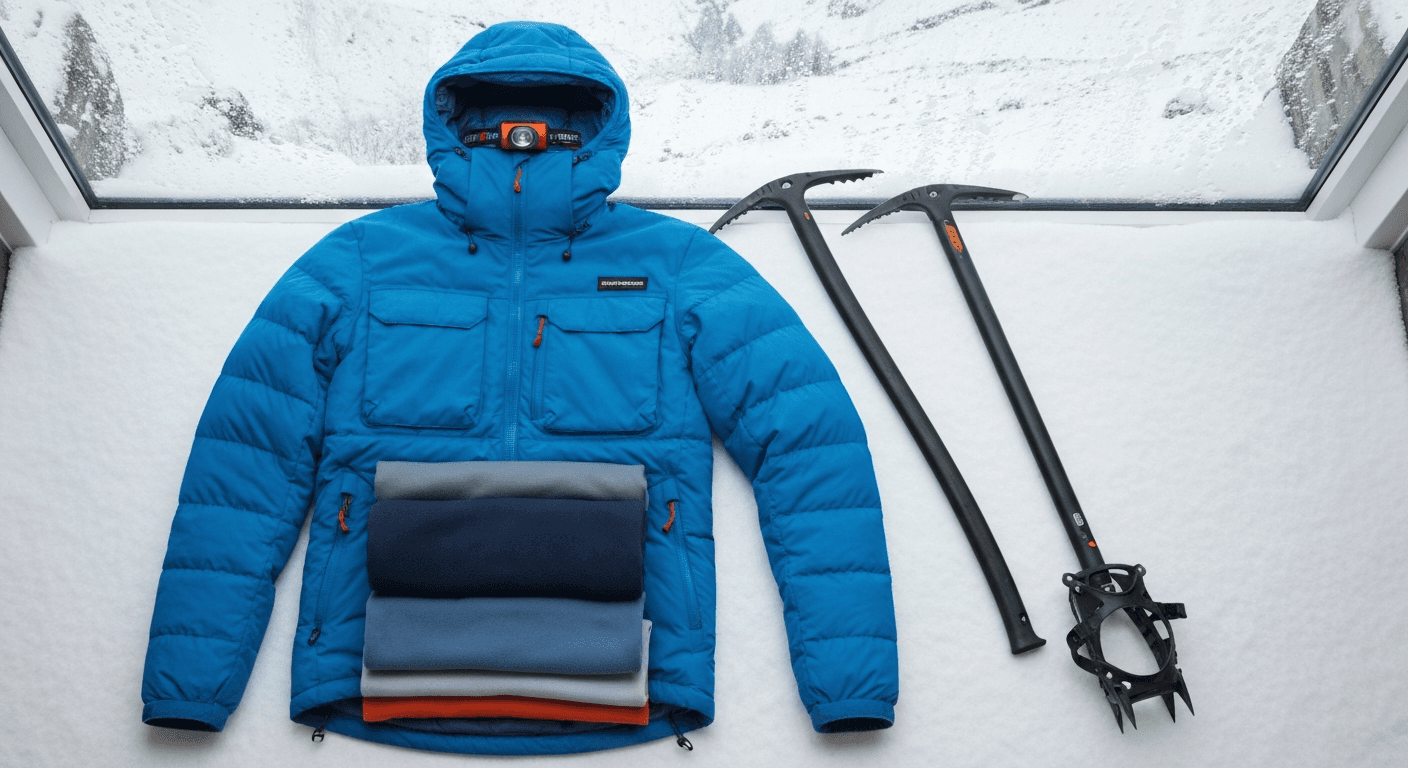
- Warm Layers: A woolly hat, fleece/jumper, and warm socks are crucial, even in summer. A dry robe is an even better choice.
* Why in Wales: The temperature can drop significantly, especially after being in the water, and the wind chill factor can be high, even on sunny days. Beanie hats make a massive difference to perceived temperature.
- Waterproof Bag/Dry Bag: Protect your valuables (phone, wallet, keys) from getting wet.
* Why in Wales: Rain is a distinct possibility, and even if it's dry, your bag might get splashed near the water's edge.
- Sturdy Footwear: Walking boots or trail shoes are essential for accessing many wild swimming locations.
* Why in Wales: The terrain is often uneven, rocky, and potentially slippery. Flip-flops are a recipe for disaster.
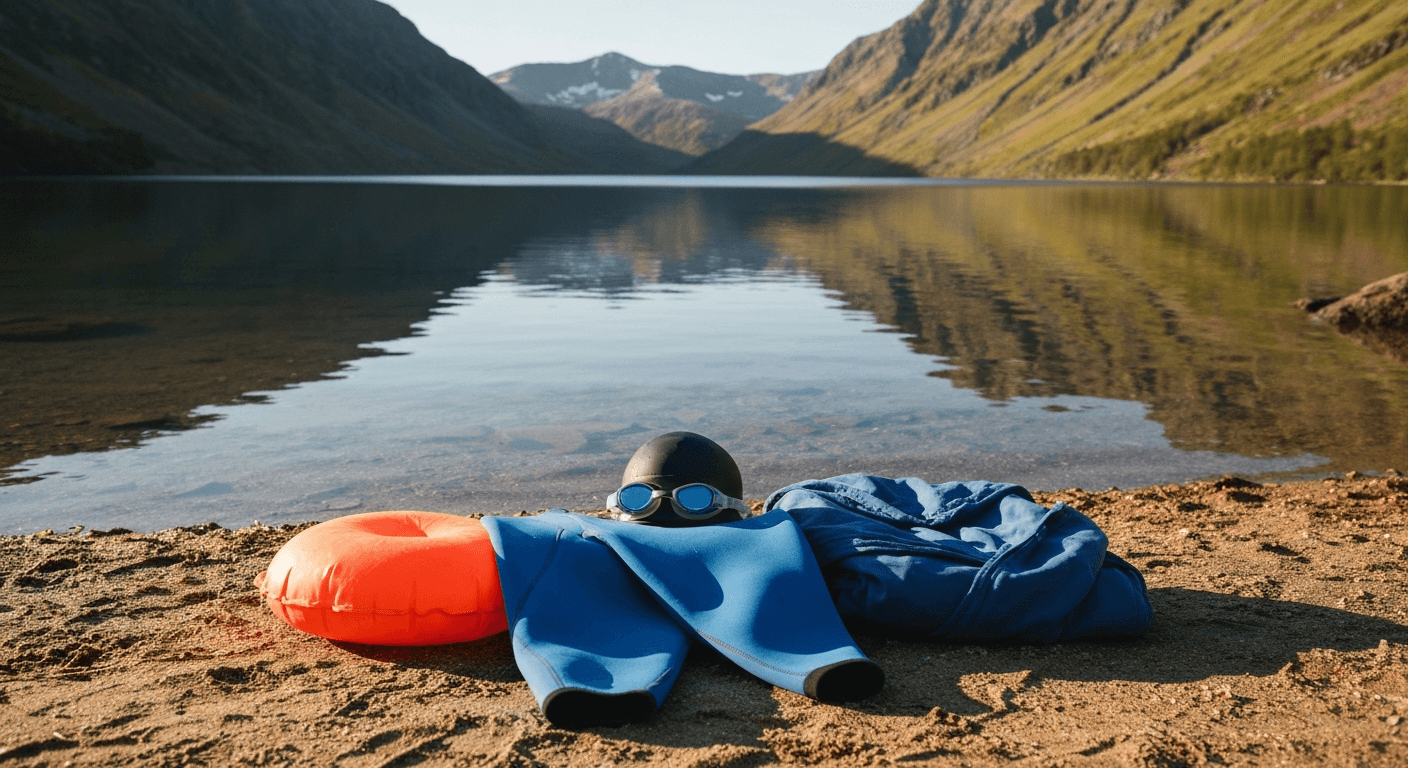
- Floatation Device (Optional but Highly Recommended): A tow float increases your visibility and provides something to hold onto if you get tired or cramp up.
* Why in Wales: Welsh waters can be deceptively strong, especially in rivers and near the coast. A tow float adds a significant safety margin.
- First Aid Kit: A basic kit for minor cuts and grazes is essential.
* Why in Wales: Remote swimming spots mean help might be a long way off. Include blister plasters - you'll thank us.
- Mobile Phone (in waterproof case): For emergencies and navigation.
* Why in Wales: Remote locations often have patchy signal, but it's worth having it in case you can get through to someone. Download offline maps beforehand.
Nice to Have
- Wetsuit: Extends your swimming season and allows you to stay in the water longer. Even a shorty wetsuit will help.
* Why in Wales: Welsh water temperatures can be cool, even in summer. A wetsuit provides crucial insulation.
- Swim Gloves & Socks: For added warmth on very cold days.
* Why in Wales: Prolong your swim in the bracing Welsh waters.
- Water Shoes/Neoprene Socks: Protect your feet from sharp rocks and cold water.
* Why in Wales: Many swimming spots have rocky entries and exits.
- Changing Robe/Dryrobe: For easy and private changing outdoors.
* Why in Wales: Offers warmth and discretion in exposed locations.
- Hot Drink Flask: A warm drink is incredibly welcome after a swim.
* Why in Wales: Helps you warm up quickly after a chilly dip.
- Goggles: Improve visibility and protect your eyes.
- Snacks: Energy bars or fruit for a post-swim energy boost.
- Headtorch/Flashlight: If swimming at dusk or dawn or accessing locations in low light.
Don't Bother With
- Expensive Waterproof Camera (unless you're a pro): Your phone in a waterproof case is usually good enough for casual photos.
- Heavy Cotton Towels: Bulky, slow-drying, and take up too much space.
- Fancy Swimming Gadgets: Stick to the basics until you're a seasoned wild swimmer.
- Lilos/Inflatables (in most locations): Unsuitable for rivers and open water due to currents and wind. Only consider for very calm, sheltered lakes.
Hire vs Buy
- Wetsuit: Worth hiring if you're only swimming occasionally or want to try different types. Local watersports centres and outdoor shops often offer wetsuit hire. If you plan on swimming regularly buy a wetsuit that fits well!
- Kayaks/SUPs: Definitely hire these unless you're an experienced paddler. Many Welsh locations offer kayak and SUP hire, with safety briefings and guided tours.
- Tow Float: Affordable to buy, but some locations may have them available for hire.
- Everything else: Generally cheaper to buy your own essentials (towel, warm layers, etc.)
Wales-Specific Tips
- Check Water Quality: Before swimming, check for any pollution warnings or algae blooms from Natural Resources Wales.
- Be Aware of Tides: Coastal swimming requires careful attention to tide times and currents. Consult tide tables and be cautious.
- Respect the Weather: The weather in Wales can change rapidly. Check the forecast before you go and be prepared for all conditions.
- Tell Someone Your Plans: Let someone know where you're going and when you expect to be back, especially if you're swimming alone.
- Watch Out for Livestock: Be mindful of livestock grazing near swimming spots, especially sheep. Keep a safe distance and keep dogs under control.
- Leave No Trace: Pack out everything you pack in, and leave the area as you found it.
- Rivers vs. Sea: Rivers will be colder than the sea, and more subject to strong currents.
- Parking: Many wild swimming locations are in remote areas with limited parking. Arrive early or be prepared to walk a bit.
- Welsh Water Temperature: It's generally cooler than you might think! Be prepared, and don't underestimate how cold the water can be.