Mountain Biking Safety
---
slug: cycling-safety
title: "Mountain Biking Safety"
activity: "Mountain Biking"
---
Mountain Biking Safety
Mountain biking in Wales offers incredible thrills and stunning scenery. However, venturing off-road and tackling challenging terrain requires a strong understanding of safety practices. Taking the necessary precautions is crucial for protecting yourself and others, ensuring a positive and memorable experience.
With proper planning, the right gear, and a responsible attitude, mountain biking can be a safe and hugely enjoyable activity. This guide provides essential information to help you stay safe while exploring the fantastic trails Wales has to offer. Remember, respecting the environment and riding within your limits are key to a great day out.
Key Risks
Crashes and Falls
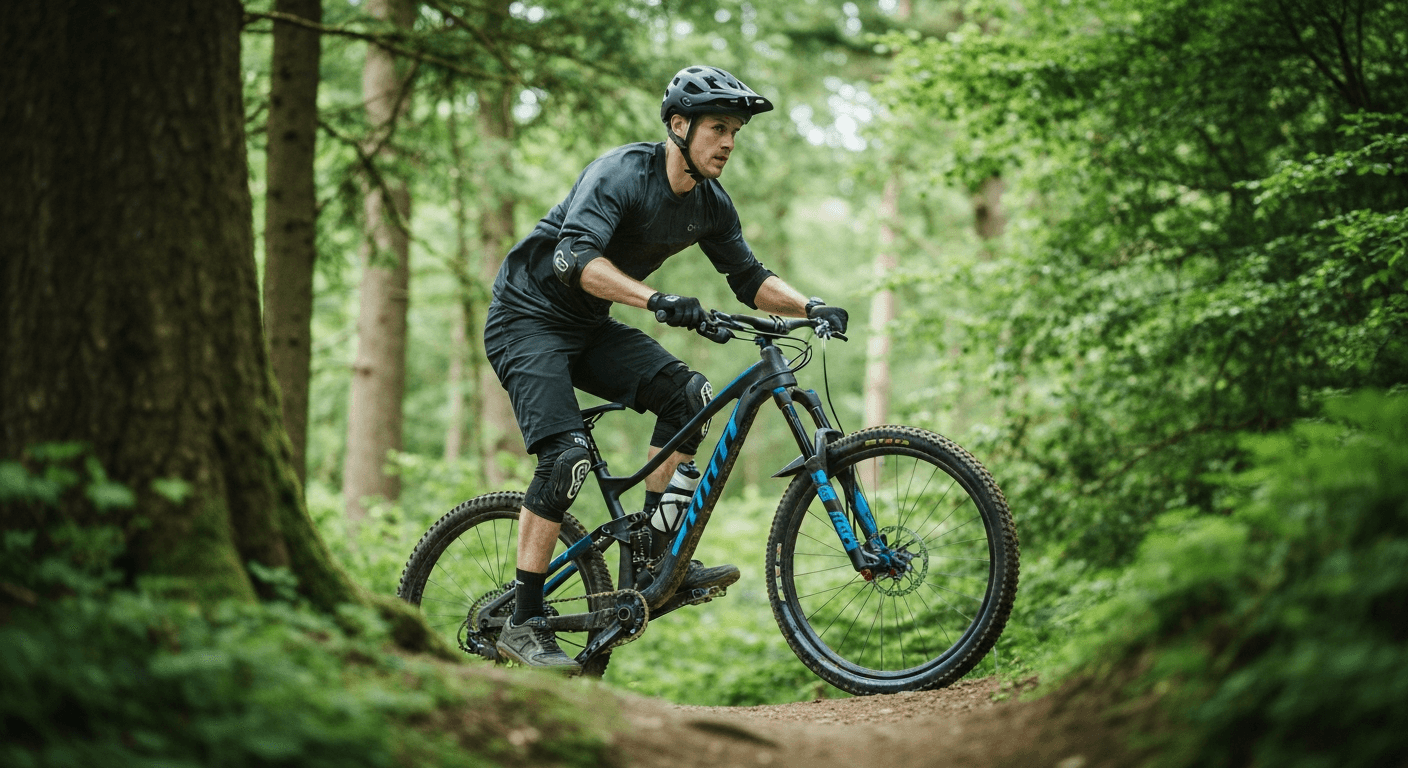
Mountain biking inherently carries the risk of crashes and falls. Loose surfaces, technical features, and unexpected obstacles can all contribute. Mitigate this risk by wearing appropriate protective gear, including a helmet, gloves, and potentially knee and elbow pads. Ride within your skill level, start with easier trails, and gradually progress to more challenging routes. Scope out obstacles before attempting them and be prepared to dismount if necessary.
Mechanical Failures
Unexpected mechanical failures, such as a flat tire, broken chain, or malfunctioning brakes, can leave you stranded or lead to an accident. Before each ride, thoroughly inspect your bike, paying close attention to tires, brakes, chain, and gears. Carry essential repair tools, including a pump or CO2 inflator, tire levers, a multi-tool, and a spare tube. Know how to use these tools to perform basic repairs on the trail.
Navigation and Getting Lost
The Welsh mountains can be remote and unforgiving. Getting lost can quickly turn a minor inconvenience into a serious situation. Always plan your route in advance and carry a map, compass (and know how to use them!), or a GPS device. Consider downloading offline maps to your smartphone in case of poor signal. Tell someone where you are going and when you expect to be back. Pay attention to trail markers and landmarks, and avoid venturing off marked trails unless you are completely confident in your navigation skills.
Before You Go
- Check your bike: Ensure your bike is in good working order. Check tires, brakes, chain, gears, and suspension.
- Plan your route: Research the trail, understand its difficulty, and estimate how long it will take.
- Check the weather: Be aware of the forecast and be prepared for changing conditions.
- Pack essential gear: Carry a helmet, gloves, water, snacks, a repair kit, a first-aid kit, a map, a compass, and a mobile phone.
During Your Activity
- Wear a helmet: A properly fitted helmet is essential for protecting your head in case of a fall.
- Ride within your limits: Don't attempt trails or features that are beyond your skill level.
- Be aware of your surroundings: Pay attention to other trail users, wildlife, and potential hazards.
- Control your speed: Ride at a speed that allows you to react safely to unexpected obstacles.
Emergency Procedures
If Something Goes Wrong
Stay calm and assess the situation. If you are injured, administer first aid if possible. If you are unable to move or need assistance, call for help. Provide your location as accurately as possible. If you have phone signal, call 999 or 112. If you don't have signal, try to find a higher location or send someone for help.
Emergency Contacts
- Mountain Rescue: 999 (ask for Police, then Mountain Rescue)
- Coastguard: 999 (ask for Coastguard)
- General Emergency: 999 or 112
Choosing a Safe Operator
When booking a guided mountain biking experience, look for operators that are accredited by recognized organizations such as British Cycling or similar bodies. Check for experienced and qualified instructors with relevant certifications in first aid and mountain bike leadership. Read online reviews to get an idea of the operator's reputation for safety and professionalism. Ensure that the operator provides suitable bikes and safety equipment and that they have clear emergency procedures in place.
Weather Considerations
The weather in Wales can change rapidly, especially in mountainous areas. Rain can make trails slippery and muddy, increasing the risk of crashes. Strong winds can make it difficult to control your bike. Fog can reduce visibility and make navigation challenging. Before heading out, check the forecast and be prepared for all types of weather. If the weather is severe, postpone your ride.
The Bottom Line
Mountain biking in Wales is an incredible experience. By following these safety guidelines, you can minimize the risks and maximize the fun. Remember, preparation is key, and riding within your limits is essential for a safe and enjoyable adventure.