Managing Mixed Ability Groups on Adventures
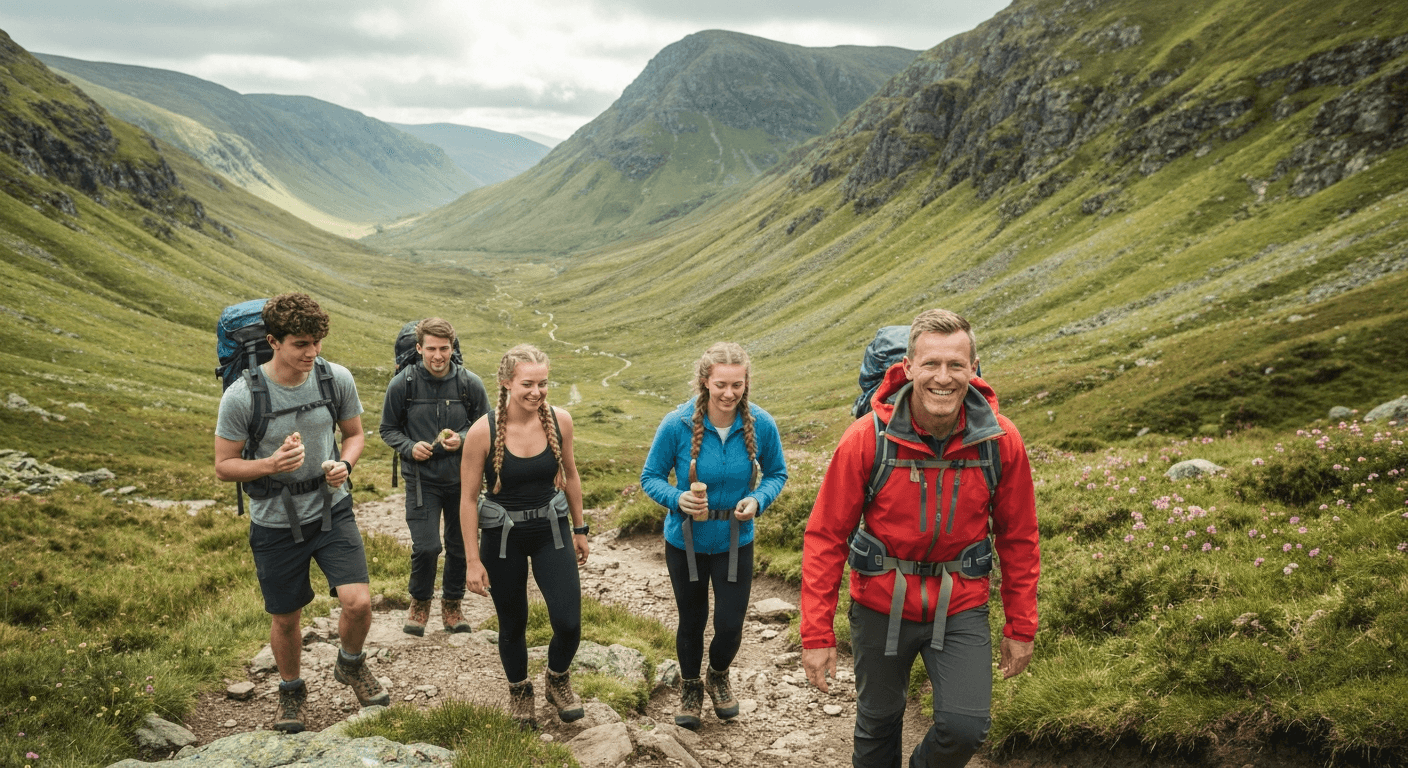
Here's how to manage risk and keep everyone safe (and happy) when you're adventuring with a group that has different skill levels and experience.
Managing Mixed Ability Groups on Adventures
So, you're heading out into the Welsh wilds with a mixed bag of abilities. Happens all the time. Maybe it's family – your fearless teenager, your slightly-less-keen partner, and the grandparents who just want a nice view. Or perhaps it’s a group of mates, some seasoned hill walkers, others who think a "peak" is the top of Snowdon only because they saw it on the telly. Whatever the mix, here's how to keep everyone safe and, crucially, enjoying themselves.
The Pre-Trip Reality Check
Honesty is your best mate here. Before you even pack your rucksack, have a proper, no-BS conversation about what you're actually planning.
- Skill levels: Don't assume everyone is on the same page. Someone might say they're "experienced" because they once walked up Moel Famau in trainers. Drill down. Ask specific questions: "Have you ever scrambled before? Are you comfortable with heights? What's the longest hike you've done recently?"
- Fitness: Be brutally honest about the physical demands. A "moderate" hike to you might be a death march for someone who hasn't been off the sofa in months. Check distances, elevation gain, and estimated time.
- Fear factor: This is a big one. Some people are terrified of heights, others claustrophobic, and some just don’t like being cold and wet. Know your group's limits. Velocity 2 at Zip World in Snowdonia might sound like a laugh for some (from £89), but for others, it's a one-way ticket to panic.
- Gear: Does everyone have appropriate kit? Decent walking boots are non-negotiable for anything beyond a gentle stroll. Waterproofs are essential in Wales – even in summer. Don't let pride or budget get in the way of borrowing or renting gear. Many outdoor shops in places like Llanberis offer good rental options.
Choosing the Right Adventure
This is where careful planning pays off.
- Opt for adaptable activities: Think about activities that can be tailored to different abilities. Coasteering in Pembrokeshire with TYF Adventure (around £60) is a good example. There are always easier routes around the rocks for those who want to take it slow, and more challenging jumps for the adrenaline junkies.
- Consider guided options: A good guide can make all the difference. They'll be able to assess the group's abilities, adapt the route, and provide expert instruction. For example, MountainXperience offers guided walks up Snowdon (from £45), with different routes to suit various fitness levels. Plus, a guide will know the mountain like the back of their hand, crucial if the weather turns sour.
- Have a bailout plan: Always have an alternative, easier option in mind. If you're planning a hike up a challenging peak, identify a lower-level walk nearby that you can switch to if needed. Look at the Mawddach Trail near Dolgellau – it's flat, scenic, and accessible.
- Think about logistics: How will you get there? Is there parking? Are there toilets along the route? These might seem like minor details, but they can make or break an adventure for some people. Parking at Coed y Brenin forest for mountain biking, for example, costs £2-7, but spaces fill up quickly on weekends.
On-the-Ground Management
You've done your homework, you've chosen your adventure, now it's time to put your plan into action.
- Lead from the front (or the back): If you're the most experienced member of the group, take responsibility. Lead the way at a pace that everyone can manage, or sweep up at the back to make sure no one gets left behind.
- Regular check-ins: Don't just assume everyone is OK. Stop regularly to check in with each member of the group. Ask how they're feeling, physically and mentally. Look for signs of fatigue, discomfort, or fear.
- Be prepared to adapt: This is crucial. If someone is struggling, don't be afraid to change your plans. Turn back, shorten the route, or switch to an easier activity. It's better to have a slightly less ambitious adventure than to push someone beyond their limits.
- Communication is key: Make sure everyone knows what's happening, what the plan is, and what to do if they need help. If you're heading into a remote area, consider carrying a satellite communication device or a personal locator beacon (PLB) – especially if there's no mobile signal.
- Don't be afraid to split up (safely): If you have a wide range of abilities, it might be best to split into smaller groups, each tackling a different activity. For example, some could hit the MinorTaur mountain bike trail at Coed y Brenin (free, family-friendly), while others explore the forest trails on foot. Just make sure everyone knows where to meet up afterwards.
- Dealing with Fear: If someone is genuinely scared, don't dismiss their feelings. Acknowledge their fear and offer encouragement. Suggest alternatives or ways to make the situation feel more manageable. A little hand-holding and reassurance can go a long way.
- First Aid Basics: At least one person in the group should have basic first aid knowledge and carry a well-stocked first aid kit. Know how to treat common injuries like cuts, blisters, sprains, and insect bites.
The Weather Factor
Welsh weather is famously unpredictable. What starts as a sunny morning can quickly turn into a torrential downpour. Always check the forecast before you go, but be prepared for anything.
- Layer up: Wear clothing that can be easily added or removed to regulate your temperature. A waterproof jacket and trousers are essential, even in summer.
- Be aware of hypothermia: Hypothermia can set in surprisingly quickly, even in relatively mild temperatures, especially if you're wet and exposed to the wind. Know the symptoms (shivering, confusion, slurred speech) and how to treat it (get the person warm and dry).
- Visibility: Fog and mist can roll in quickly, especially in the mountains. If visibility is poor, it's best to turn back. Navigation becomes much more difficult, and the risk of getting lost increases. Consider learning basic navigation skills or using a GPS device.
Specific Examples and Risk Management
Let's look at a few common Welsh adventures and how to manage mixed abilities in each.
- Hiking Snowdon: This is a classic, but it's not for everyone. The Llanberis Path is the easiest route, but it's still a long and strenuous walk. If you have someone who's not confident with heights, avoid Crib Goch altogether. A guided walk with Snowdonia Mountain Guides (from £60) is a good option for inexperienced hikers.
- Mountain Biking at Coed y Brenin: This is a great option for families, but the trails range from easy to extremely difficult. Stick to the MinorTaur trail if you have beginners or younger children. The Temtiwr trail is best left to experienced riders.
- Coasteering in Pembrokeshire: As mentioned earlier, this is a very adaptable activity. However, be aware that some jumps can be quite high. Make sure everyone is comfortable with the water and knows how to swim. A reputable operator like Preseli Venture will provide wetsuits and safety equipment.
- Gorge Walking in the Brecon Beacons: This is a fun and adventurous activity, but it can be physically demanding. Be prepared to scramble over rocks, wade through water, and even slide down waterfalls. Adventure Britain offers guided gorge walking trips (from £65) with different levels of difficulty.
Final Thoughts
Adventuring with a mixed ability group can be incredibly rewarding. It's a chance to share your love of the outdoors with friends and family, and to create lasting memories. Just remember to plan ahead, be honest about your group's abilities, and be prepared to adapt to changing circumstances. And most importantly, have fun! Diolch! Consider a trip to the Wye Valley if you want less physically demanding adventures.