Mountain Safety in Wales
---
slug: mountain-safety
title: "Mountain Safety in Wales"
---
Mountain Safety in Wales
The mountains of Wales offer incredible experiences, from challenging climbs to tranquil walks. But their beauty masks inherent risks. This guide aims to provide practical information to help you enjoy the Welsh mountains safely. We trust you to assess your own abilities and make informed decisions.
The Reality
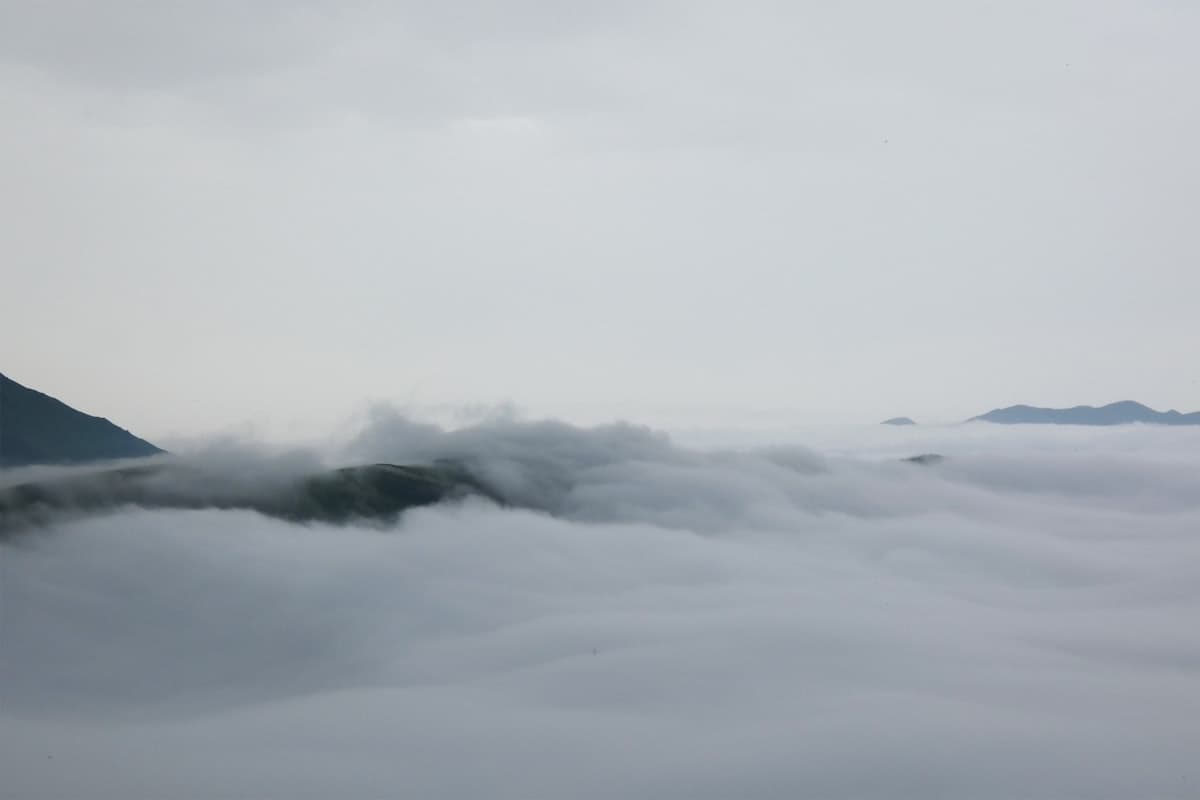
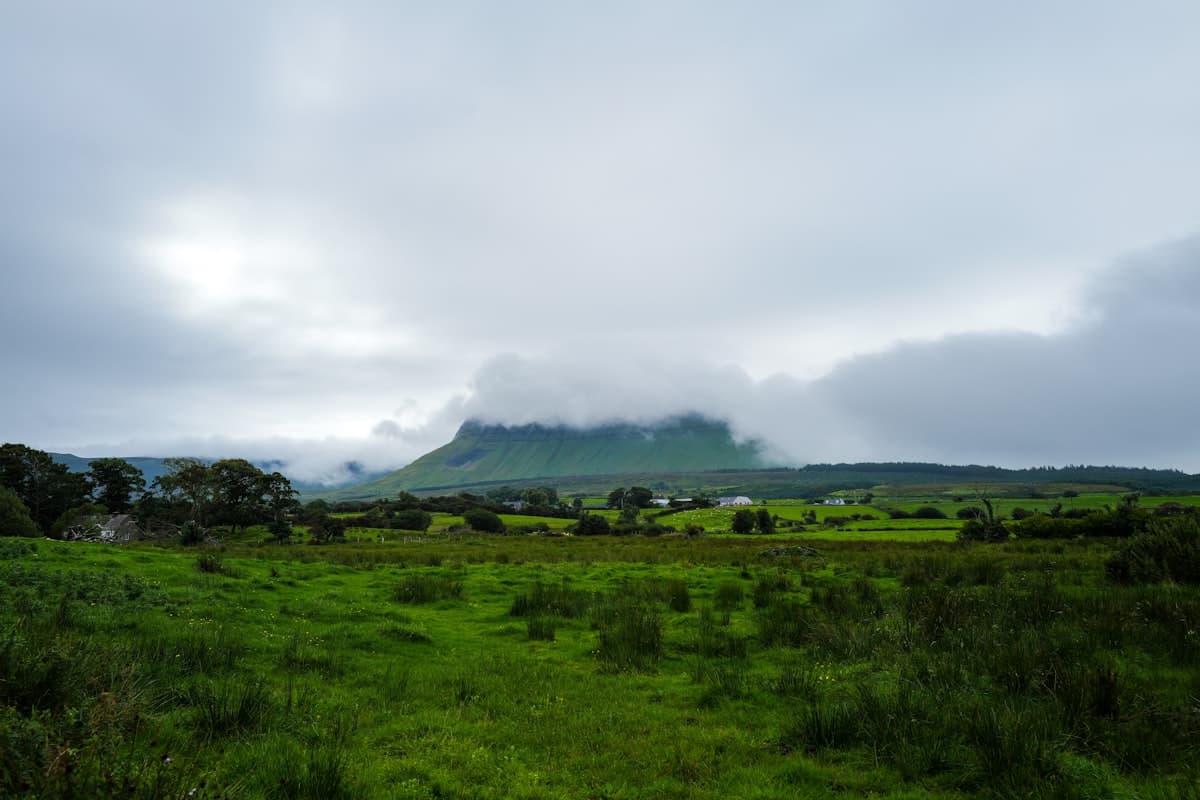
The Welsh mountains, while not the highest in the world, can be challenging and unforgiving. The weather can change rapidly and dramatically, even on seemingly clear days. Navigation can be difficult, especially in poor visibility. Injuries, ranging from minor slips and trips to serious falls, are a real possibility. Hypothermia is a significant threat, even in summer. Being prepared, understanding the risks, and exercising good judgment are crucial for a safe and enjoyable experience. Mountain Rescue teams are composed of volunteers and rely on public donations; preventing incidents is always preferable to needing their assistance.
What Goes Wrong
Common issues that lead to problems in the Welsh mountains include:
- Poor Navigation: Relying solely on phone GPS, which can lose signal, or not having the necessary map and compass skills. Get comfortable with using a map and compass, and learn how to take and follow bearings. Practice regularly in good weather. Always carry a physical map and compass, even if you primarily use GPS.
- Inadequate Clothing and Equipment: Underestimating the weather and not having appropriate layers for warmth, waterproofs, and suitable footwear. Welsh weather can be unpredictable; prepare for all conditions.
- Poor Planning: Undertaking a route beyond your abilities, not checking the weather forecast, or not informing anyone of your plans. Plan your route carefully, considering your fitness level, the weather conditions, and the time of year. Tell someone where you are going and when you expect to be back.
- Getting Caught Out by the Weather: Being unprepared for sudden changes in weather, such as fog, rain, or strong winds. Monitor the weather forecast regularly and be prepared to adjust your plans if necessary. Know how to navigate in poor visibility.
- Overconfidence/Complacency: Discounting the risks due to previous experience or perceived ease of the route. Each mountain and each day presents unique challenges. Never underestimate the mountains.
- Running out of Daylight: Underestimating how long a route will take and getting caught out after dark. Start early, factor in extra time for unexpected delays, and carry a head torch with spare batteries.
- Real Example: A group relying solely on their mobile phones for navigation became disoriented in fog near Snowdon's summit. They were forced to call Mountain Rescue after running out of daylight and becoming increasingly cold.
Preparation
- Check the Weather: Use reliable weather forecasts specifically for the mountains, such as the Mountain Weather Information Service (MWIS) or the Met Office Mountain Forecast. Be aware of wind speed, temperature (including wind chill), and precipitation.
- Plan Your Route: Study the route carefully using maps and guidebooks. Consider the distance, elevation gain, terrain, and difficulty. Choose a route appropriate for your fitness level and experience.
- Tell Someone Your Plans: Inform a friend, family member, or your accommodation of your route, expected return time, and emergency contact details.
- Pack the Right Gear:
* Navigation: Map (Ordnance Survey OL17 or equivalent), compass, GPS (with charged batteries and a backup power source), and a whistle. Know how to use them.
* Clothing: Waterproof jacket and trousers, warm layers (fleece or insulated jacket), hat, gloves, sturdy hiking boots with ankle support, and moisture-wicking base layers. Avoid cotton.
* Food and Water: Carry sufficient food and water for the entire trip, plus extra in case of delays. Consider high-energy snacks.
* First Aid Kit: A basic first aid kit including blister treatment, pain relievers, antiseptic wipes, bandages, and any personal medications.
* Emergency Shelter: A lightweight emergency shelter, such as a bivy bag or survival bag, can provide crucial protection from the elements.
* Head Torch: With spare batteries.
* Mobile Phone: Fully charged, but remember that signal coverage can be unreliable. Consider carrying a power bank.
- Check Your Equipment: Ensure your boots are in good condition, your waterproofs are waterproof, and your map and compass are functional.
- Consider Mountain Skills Courses: Develop your navigation, first aid, and winter skills through reputable mountain skills courses.
During Your Activity
- Monitor the Weather: Keep an eye on the weather and be prepared to turn back if conditions deteriorate.
- Navigate Carefully: Pay attention to your surroundings and regularly check your position on the map. Use your compass to take bearings and follow your planned route.
- Pace Yourself: Avoid exhaustion by maintaining a steady pace and taking regular breaks.
- Stay Hydrated: Drink plenty of water throughout the day.
- Be Aware of Hazards: Watch out for loose rocks, steep drops, slippery surfaces, and other potential hazards.
- Trust Your Instincts: If something doesn't feel right, don't hesitate to turn back or adjust your plans.
- Leave No Trace: Pack out everything you pack in, and minimize your impact on the environment.
If Things Go Wrong
- Stay Calm: Assess the situation and try to remain calm.
- Assess the Injury: If someone is injured, assess the severity of the injury and administer first aid.
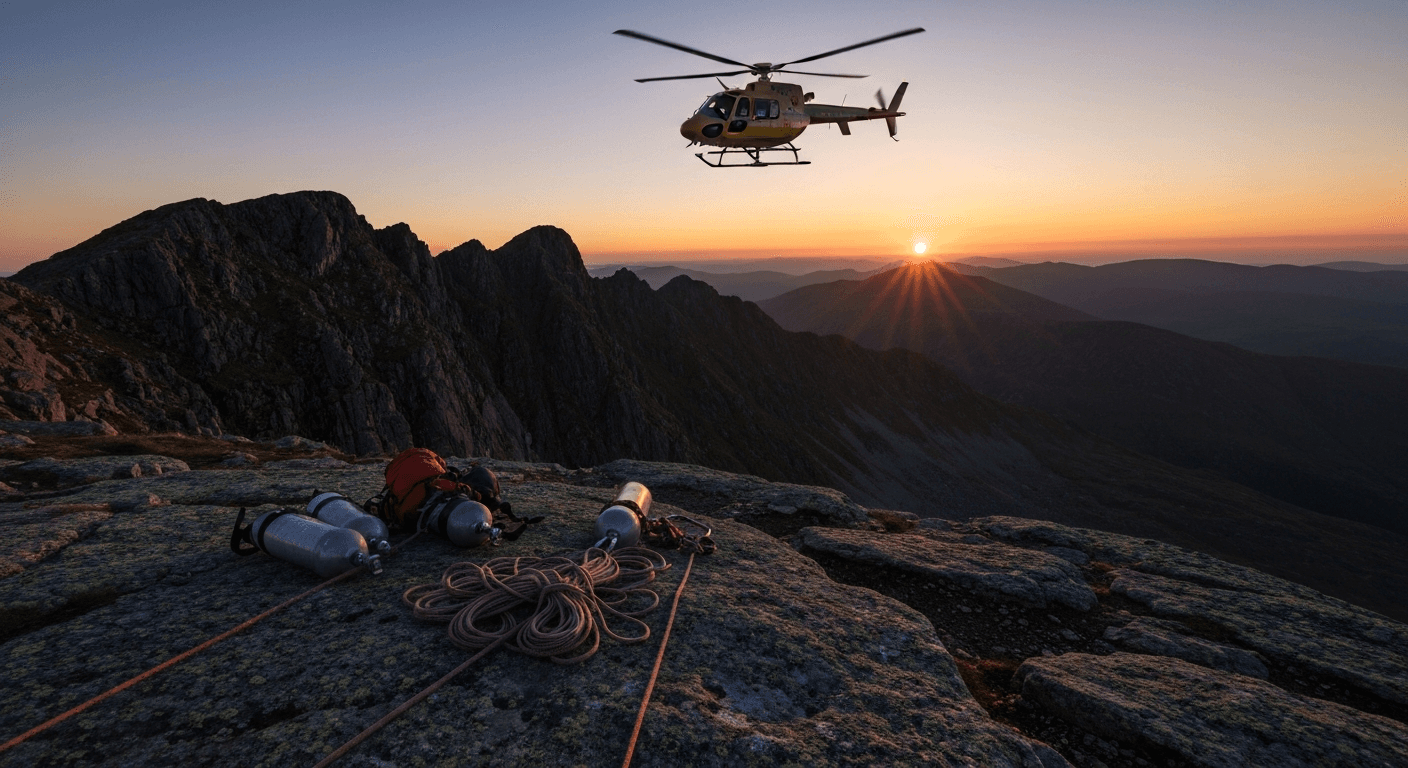
- Call for Help: If you need assistance, call 999 (or 112) and ask for Mountain Rescue. Be prepared to provide your location (grid reference if possible), the nature of the incident, and the number of people involved.
- Use your Whistle: Six short blasts of a whistle, repeated regularly, is an internationally recognized distress signal.
- Stay Warm: Protect yourselves from the elements by using your emergency shelter, putting on extra layers, and sheltering from the wind.
- Stay Put: Unless you are in immediate danger, stay where you are until Mountain Rescue arrives. This will make it easier for them to find you.
- Emergency Contacts:
* Emergency Services: 999 or 112 (for mobile phones)
* Mountain Rescue England and Wales: (Their website has a directory of local teams)
The Bottom Line
The mountains of Wales offer incredible rewards, but they demand respect and preparation. By understanding the risks, planning carefully, and exercising good judgment, you can significantly increase your chances of having a safe and enjoyable adventure. Remember, it's always better to turn back than to push on and get into trouble. Enjoy the mountains, but be safe.