Water Safety in Wales
---
slug: water-safety
title: "Water Safety in Wales"
---
Water Safety in Wales
Wales boasts stunning coastlines, breathtaking lakes, and powerful rivers, offering incredible opportunities for recreation. Whether you're swimming, surfing, kayaking, paddleboarding, or simply enjoying the view, understanding the risks and taking precautions is crucial for a safe and enjoyable experience. This guide aims to provide practical information to help you make informed decisions and stay safe around water in Wales.
The Reality
Water can be unpredictable. Even on seemingly calm days, conditions can change rapidly. Cold water shock, strong currents, and hidden hazards are all very real risks. Drowning is a serious threat, and it's essential to respect the power of water, regardless of your experience level. While Wales has a dedicated network of lifeguards and rescue services, they can't be everywhere, and relying solely on them is not a substitute for personal responsibility. Understanding the specific risks of the location you're visiting is paramount. Consider:
- Coastal Waters: Tides, rip currents, strong winds, and waves.
- Rivers: Fast-flowing water, submerged obstacles, and variable water depths.
- Lakes & Reservoirs: Cold water temperatures, especially in deeper areas, and potential underwater hazards.
What Goes Wrong
Many water-related incidents are preventable. Common factors contributing to accidents include:
- Underestimating the conditions: Assuming the water is safe based on a quick glance, ignoring weather forecasts, or failing to recognize changing conditions.
- Cold Water Shock: Entering cold water suddenly can cause involuntary gasping, rapid breathing, and muscle weakness, making it difficult to swim. This is a particular risk in Welsh waters, even in summer.
- Rip Currents: These powerful currents can pull swimmers away from shore quickly. If caught in a rip current, don't panic. Swim parallel to the shore until you are out of the current, then swim back to land.
- Alcohol and Drugs: Impairing judgement and coordination significantly increases the risk of drowning.
- Lack of Appropriate Gear: Not wearing a life jacket or buoyancy aid when necessary, particularly in open water or when engaging in activities like paddleboarding or kayaking.
- Going Alone: Swimming or participating in water activities alone increases the risk if something goes wrong.
- Ignoring Warning Signs: These signs are there for a reason, indicating potential hazards or areas that are known to be dangerous.
Real Example: A hiker, confident in their swimming ability, attempted to cross a river after heavy rainfall. The current was much stronger than anticipated, and they were swept downstream. Fortunately, they managed to grab onto a branch and were rescued by emergency services, but the incident could have been fatal.
Preparation
Planning is key to a safe and enjoyable experience:
- Check the Weather Forecast: Understand the expected weather conditions, including wind speed and direction, temperature, and any potential for storms. Use reliable sources like the Met Office.
- Check Tide Times (for coastal activities): Be aware of high and low tide times and how they can affect your planned activity.
- Research Your Location: Understand the specific risks associated with the area you're visiting. Look for information on currents, hazards, and recommended safety guidelines. Many beaches have safety information boards.
- Tell Someone Your Plans: Let someone know where you're going, what you're doing, and when you expect to be back.
- Pack Appropriately:
* Life Jacket or Buoyancy Aid: Essential for activities like paddleboarding, kayaking, and boating, especially in open water. Ensure it fits properly.
* Appropriate Clothing: Dress for the water temperature, not the air temperature. Consider a wetsuit or drysuit for colder conditions.
* Sunscreen, Hat, and Sunglasses: Protect yourself from the sun, even on cloudy days.
* First-Aid Kit: Include items for treating minor injuries, such as cuts and scrapes.
* Mobile Phone in a Waterproof Case: For emergencies, but be aware of potential signal limitations in some areas.
- Assess Your Ability: Be honest about your swimming skills and physical fitness. Don't overestimate your capabilities, especially in challenging conditions.
During Your Activity
Stay vigilant and be aware of your surroundings:
- Never Swim Alone: Always swim with a buddy or in a supervised area.
- Swim within Your Limits: Don't try to swim too far or in conditions that are beyond your abilities.
- Be Aware of the Tides (for coastal activities): Tides can change rapidly, and you could easily become stranded or cut off from the shore.
- Watch Out for Currents: Be aware of the potential for rip currents and strong currents in rivers and lakes.
- Stay Sober: Avoid alcohol and drugs before and during water activities.
- Supervise Children Closely: Children should always be supervised by a responsible adult near water.
- Know Your Exit Points: Before entering the water, identify potential exit points in case you need to get out quickly.
- Heed Warning Signs and Flags: Pay attention to any warning signs or flags that indicate potential hazards. Red flags mean don't enter the water. Red and yellow flags indicate lifeguarded areas - swim between the flags.
If Things Go Wrong
- Call for Help: If you or someone else is in trouble, call 999 or 112 and ask for the Coastguard (for coastal incidents) or Fire and Rescue Service (for inland water incidents). Provide your location as accurately as possible. Use what3words if you have it.
- If Someone is Struggling in the Water:
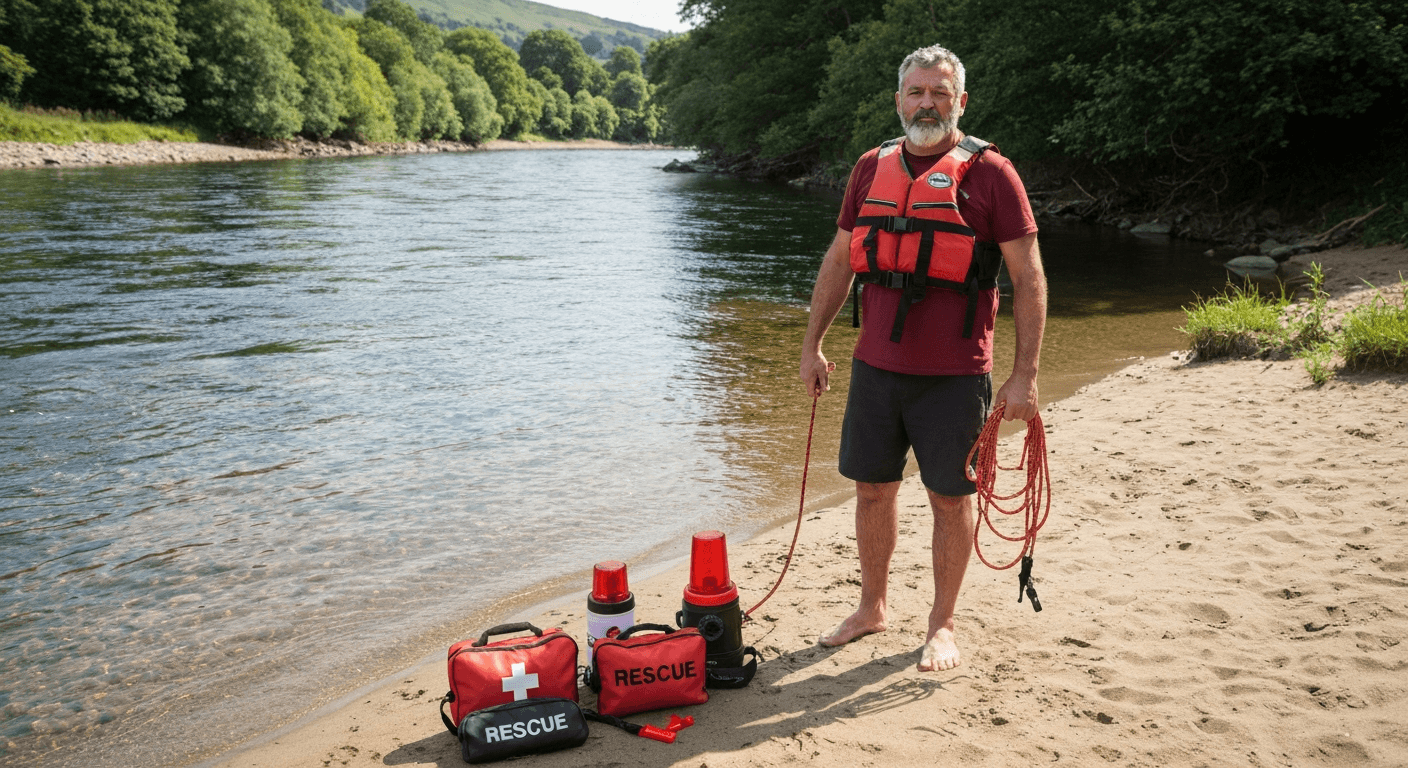
* Don't enter the water yourself unless you are trained in water rescue. Throw them a rope, life ring, or any floating object that they can hold onto.
* Encourage them to float on their back and stay calm.
- Cold Water Shock: If you experience cold water shock, try to control your breathing and float on your back. Remember that the initial shock will pass, but it's crucial to stay calm and conserve energy.
- Rip Current: If caught in a rip current, don't panic. Swim parallel to the shore until you are out of the current, then swim back to land.
- After Rescue: Seek medical attention immediately if you have been in cold water for an extended period or if you are experiencing any symptoms of hypothermia.
Emergency Contacts:
- 999 or 112: For all emergencies. Ask for the Coastguard (coastal) or Fire and Rescue Service (inland).
The Bottom Line
Enjoy the beautiful Welsh waters, but always prioritize safety. By understanding the risks, preparing adequately, and staying vigilant, you can significantly reduce the likelihood of accidents. Respect the power of water, make informed decisions, and have a safe and memorable experience. Don't let overconfidence or complacency lead to tragedy. Be smart, be safe, and enjoy the water responsibly.