Welsh Weather - What to Expect

---
slug: weather-awareness
title: "Welsh Weather - What to Expect"
---
Welsh Weather - What to Expect
The Reality
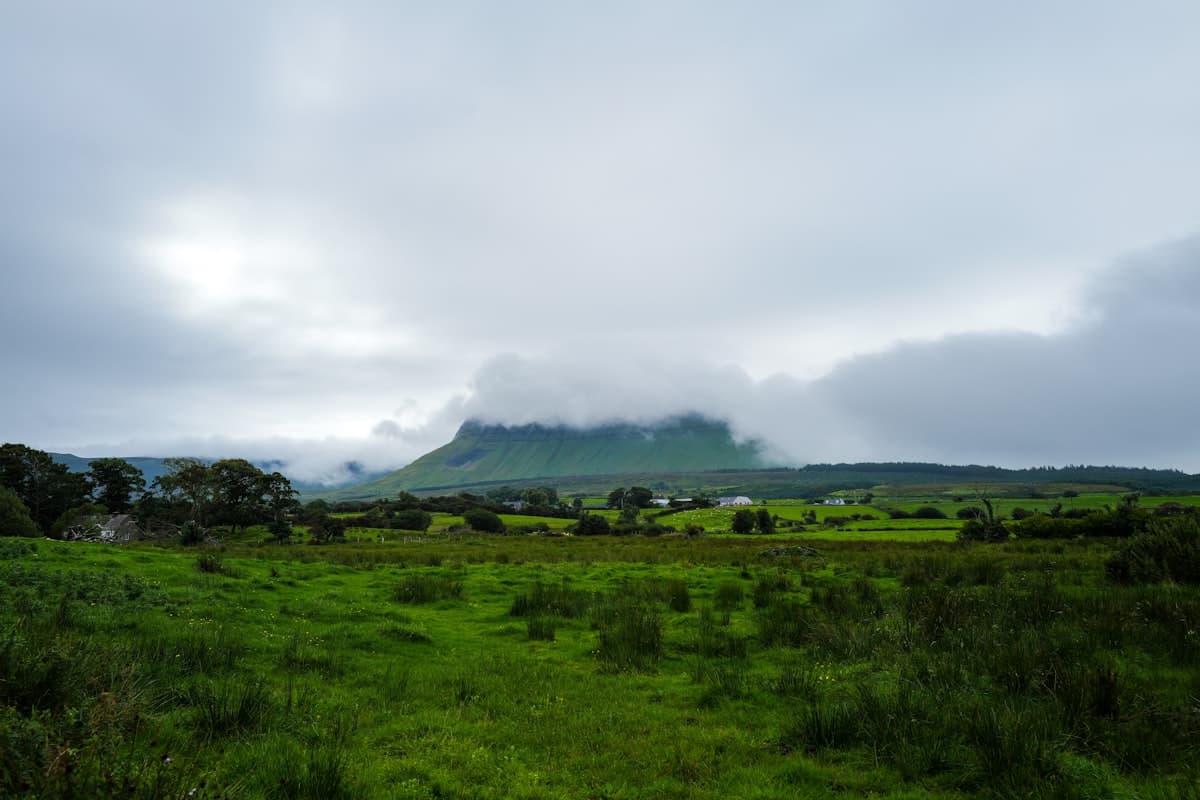
Welsh weather is, to put it mildly, changeable. It's often said that you can experience all four seasons in a single day, and while that might be a slight exaggeration, it’s not far from the truth. Our coastal location and mountainous terrain combine to create conditions that can shift rapidly. Rainfall is frequent, and while not always torrential, drizzle can be persistent and surprisingly chilling. Sunshine can be intense, but cloud cover is equally likely. Expect wind, especially at higher altitudes and near the coast. The key takeaway is to be prepared for anything, regardless of the forecast.
What Goes Wrong
The most common issues arise from underestimating the speed at which conditions can change. A sunny morning hike can quickly turn into a navigation challenge in thick fog. Rain gear deemed sufficient at lower altitudes might prove inadequate against driving rain and wind on a mountain summit.
- Hypothermia: Often a result of inadequate clothing and exposure to wind and rain. Even in summer, prolonged exposure to wet and windy conditions can lead to a dangerous drop in body temperature. Avoid by layering clothing, wearing waterproofs, and carrying a hot drink and energy-rich snacks.
- Navigation Errors: Low cloud and fog can drastically reduce visibility, making it easy to get lost, even on well-marked trails. Always carry a map and compass (and know how to use them!), or a GPS device with pre-loaded routes. Check the forecast for visibility warnings.
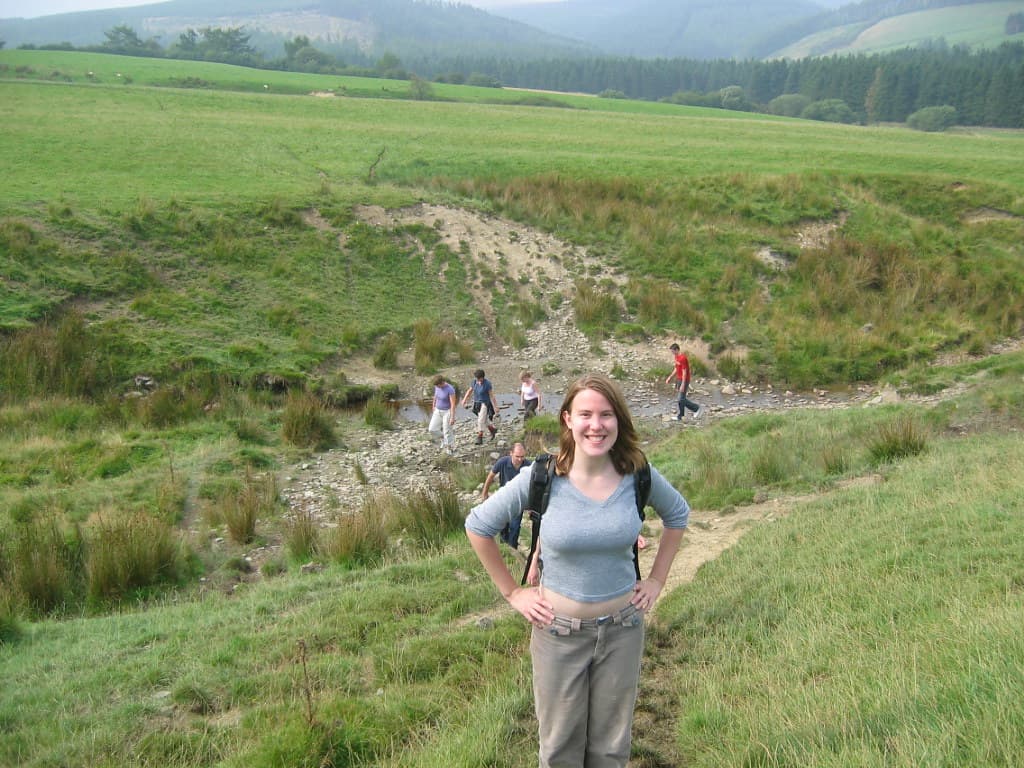
- Flash Flooding: Rivers and streams can rise rapidly after heavy rainfall, posing a risk to walkers, especially those crossing fords. Check river levels before setting out and be prepared to turn back if conditions worsen.
- Rockfall: Heavy rain can loosen rocks on steep slopes, increasing the risk of rockfall. Avoid walking directly below cliffs during or immediately after heavy rain.
- Sunburn: Even on overcast days, UV radiation can be surprisingly strong, especially at higher altitudes. Use sunscreen, wear a hat, and protect your eyes with sunglasses.
A recent example: In 2022, a group of experienced hikers became disoriented in thick fog on Snowdon and required mountain rescue assistance, despite having followed a well-known route. They were unprepared for the rapid drop in visibility.
Preparation
Thorough preparation is key to a safe and enjoyable experience in Wales.
- Check the Weather Forecast: Use a reputable weather forecast service specific to the area you'll be visiting. Met Office Mountain Weather Forecast and MWIS (Mountain Weather Information Service) are excellent resources. Look beyond the overall forecast and pay attention to specific warnings for wind speed, rain, and visibility.
- Pack the Right Clothing: Layering is crucial. Pack waterproof and windproof outer layers, moisture-wicking base layers, and insulating mid-layers. Don't forget a hat and gloves, even in summer. Choose appropriate footwear for the terrain.
- Navigation Tools: A map and compass are essential, along with the knowledge of how to use them. A GPS device can be a useful supplement, but don't rely on it exclusively. Ensure you have charged batteries.
- Emergency Kit: Carry a first-aid kit, a whistle, a headtorch with spare batteries, a fully charged mobile phone in a waterproof bag, and a high-energy snack. Consider a power bank for your phone.
- Tell Someone Your Plans: Inform someone of your route and expected return time.
During Your Activity
- Monitor the Weather: Keep a close eye on the weather and be prepared to change your plans if necessary.
- Stay Aware of Your Surroundings: Pay attention to changes in visibility, wind speed, and rainfall.
- Pace Yourself: Avoid overexertion, especially in challenging conditions.
- Stay Hydrated and Fueled: Drink plenty of water and eat regular snacks.
- Be Prepared to Turn Back: Don't be afraid to abandon your plans if conditions deteriorate. It's always better to be safe than sorry.
If Things Go Wrong
- Stay Calm: Panic will only make the situation worse.
- Assess the Situation: Determine the nature of the problem and the resources available to you.
- Seek Shelter: If possible, find shelter from the wind and rain.
- Call for Help: If you are in immediate danger, call 999 or 112 and ask for Mountain Rescue. Be prepared to provide your location using a grid reference or GPS coordinates. Download the what3words app, which can help pinpoint your location.
- Conserve Energy: Stay warm and dry, and avoid unnecessary exertion.
- Provide First Aid: Administer first aid to any injured members of your group.
Emergency Contacts:
- Emergency Services: 999 or 112
- Mountain Rescue: (Dial 999/112 and ask for Mountain Rescue)
The Bottom Line
Welsh weather can be unpredictable, but with careful planning and preparation, you can enjoy the stunning scenery and outdoor activities Wales has to offer. Be aware of the risks, pack appropriately, monitor the weather, and don't hesitate to turn back if conditions worsen. A little bit of common sense goes a long way in ensuring a safe and memorable experience.