Welsh Weather - What to Expect
---
slug: weather-safety
title: "Welsh Weather - What to Expect"
activity: "All"
---
Welsh Weather - What to Expect
Wales is renowned for its stunning landscapes, from rugged mountains to picturesque coastlines. However, the Welsh weather is just as famous for its unpredictability! Being prepared for all conditions is essential for a safe and enjoyable adventure, no matter what activity you're planning. Understanding the potential hazards and taking appropriate precautions will allow you to fully appreciate the beauty Wales has to offer.
Don't let the reputation of Welsh weather deter you. With the right knowledge, preparation, and a healthy dose of respect for the elements, your adventure in Wales can be both memorable and safe. This guide provides practical advice to help you anticipate and manage the challenges presented by the Welsh climate.
Key Risks
Rapid Weather Changes
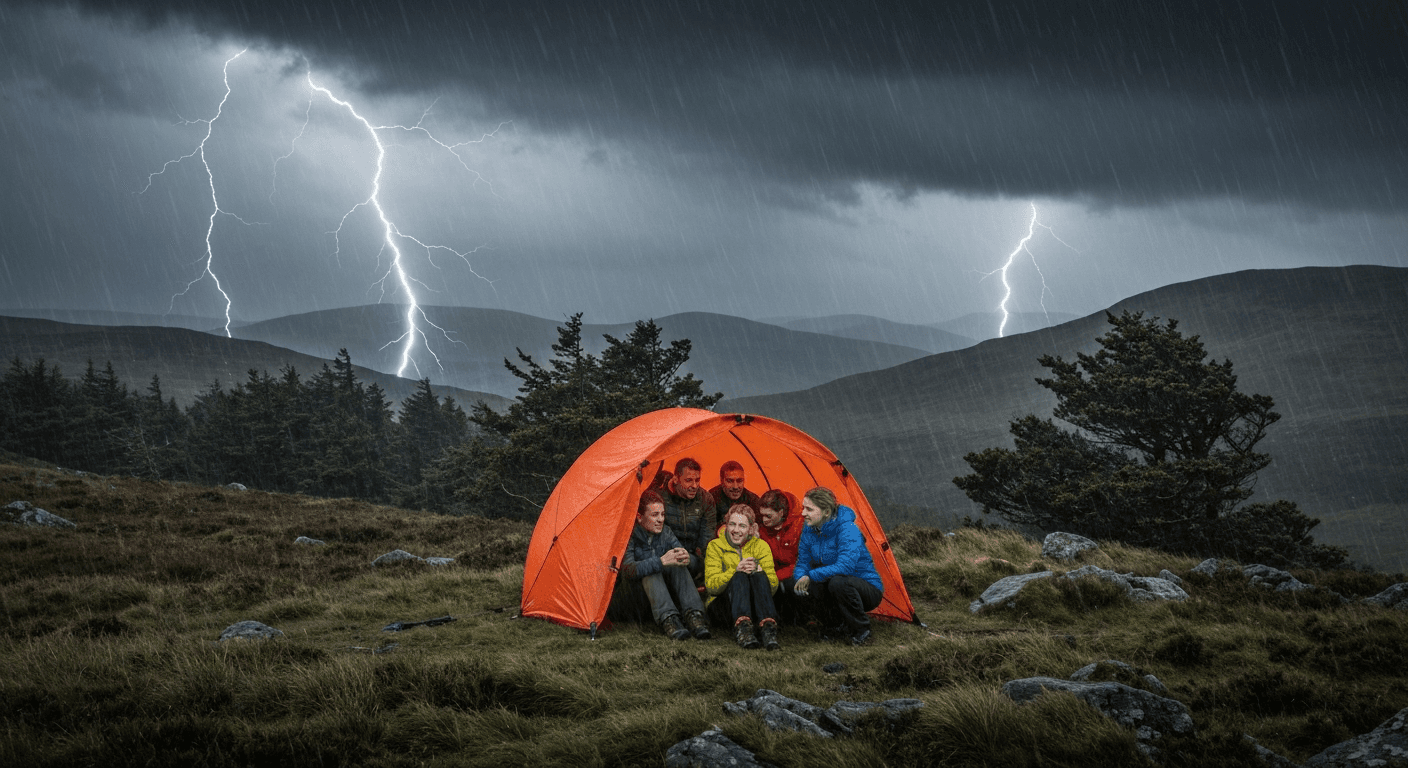
Welsh weather can change dramatically in a short period, shifting from sunshine to rain and wind in minutes. This can be disorienting and potentially dangerous, especially in exposed locations.
Mitigation: Monitor weather forecasts regularly before and during your activity. Be prepared for sudden changes by packing appropriate layers of clothing, including waterproofs and windproofs. Always have a contingency plan in case the weather deteriorates unexpectedly.
Low Visibility
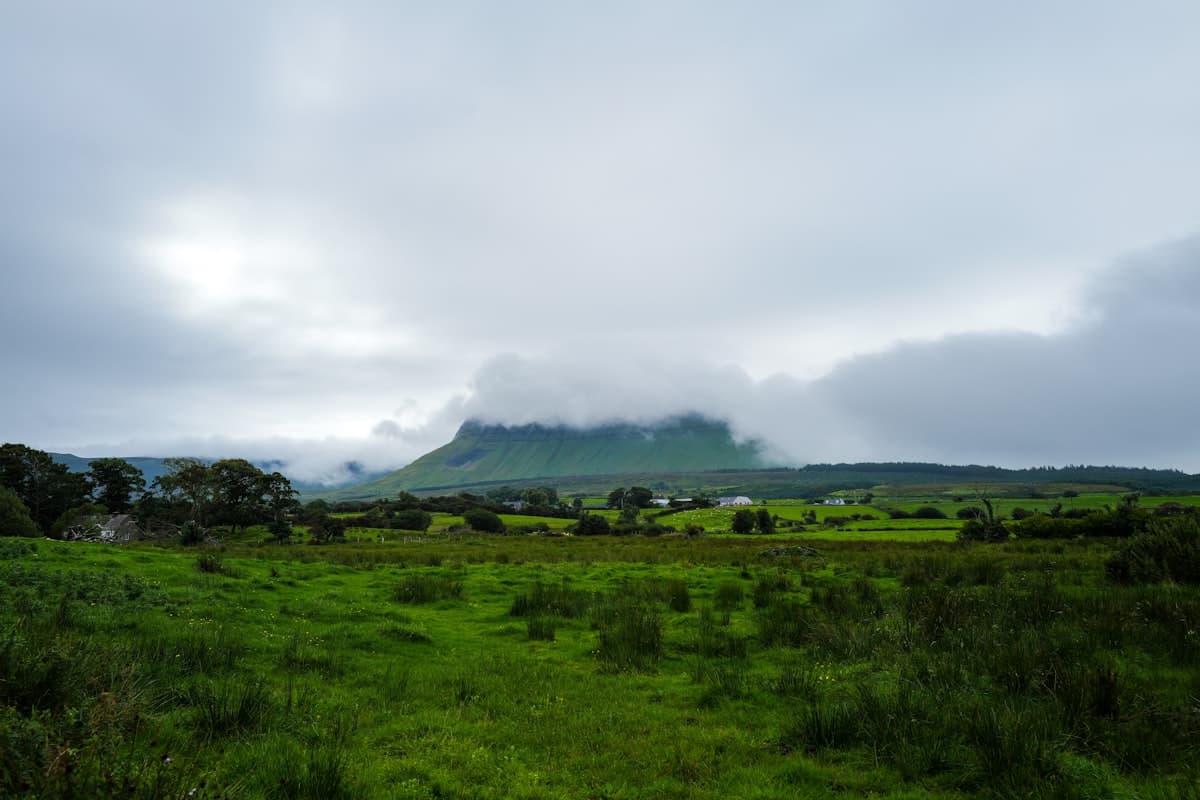
Fog, mist, and heavy rain can significantly reduce visibility, making navigation difficult and increasing the risk of getting lost, particularly in mountainous areas or at sea.
Mitigation: Carry a map and compass (and know how to use them!), or a GPS device with pre-loaded routes. Consider taking a navigation course. If visibility deteriorates, slow down, re-evaluate your route, and consider turning back. Be aware of your surroundings and use landmarks to help you stay oriented.
Strong Winds
Wales can experience strong winds, especially on exposed ridges, coastal areas, and during storms. Strong winds can make walking difficult, increase the risk of falls, and make water-based activities dangerous.
Mitigation: Check the wind forecast before you go. Be aware of exposed areas and adjust your route accordingly. Dress in layers to protect yourself from wind chill. If winds are too strong, postpone your activity or choose a sheltered location.
Before You Go
- Check the Weather Forecast: Use reliable sources like the Met Office or Mountain Weather Information Service (MWIS) for detailed forecasts, paying attention to wind speed, rain, and visibility.
- Pack Appropriate Clothing: Layering is key. Include waterproof and windproof outer layers, warm layers (fleece or wool), and moisture-wicking base layers. Don't forget hats, gloves, and sturdy footwear.
- Plan Your Route Carefully: Choose a route that is appropriate for your ability and the weather conditions. Consider the terrain, elevation gain, and potential hazards.
- Tell Someone Your Plans: Inform a friend or family member of your route, expected return time, and emergency contact information.
During Your Activity
- Monitor the Weather: Keep a close eye on the weather and be prepared to change your plans if necessary. Be aware of approaching weather systems and listen for weather warnings.
- Stay Hydrated and Fed: Cold and wet weather can increase your energy expenditure. Eat regular snacks and drink plenty of fluids to stay energized and hydrated.
- Use Navigation Tools: Regularly check your position on a map and compass or GPS device. Be aware of your surroundings and use landmarks to help you stay oriented.
Emergency Procedures
If Something Goes Wrong
Stay calm. Assess the situation and identify any injuries or hazards. If possible, move to a sheltered location. Call for help using your mobile phone or by sending a distress signal (e.g., whistle blasts, flashing light). Provide your location and the nature of the emergency.
Emergency Contacts
- Mountain Rescue: 999 (ask for Police, then Mountain Rescue)
- Coastguard: 999 (ask for Coastguard)
- General Emergency: 999 or 112
Choosing a Safe Operator
When booking activities with an operator, look for companies with relevant certifications (e.g., Adventure Activities Licensing Authority - AALA), experienced and qualified instructors, and positive customer reviews. A reputable operator will prioritize safety and provide appropriate equipment and training.
Weather Considerations
Certain weather conditions can make activities unsafe. Heavy rain can make trails slippery and increase the risk of flooding. Strong winds can make walking difficult and dangerous, and can make water-based activities particularly risky. Low visibility can make navigation difficult and increase the risk of getting lost. It's important to be prepared to postpone your activity if the weather is unsuitable.
The Bottom Line
Welsh weather can be challenging, but it doesn't have to spoil your adventure. By understanding the potential risks, preparing accordingly, and making informed decisions, you can enjoy the stunning landscapes and exciting activities that Wales has to offer, safely and responsibly.