Surfing in Wales
Atlantic swells, uncrowded lineups, and world-class breaks from Pembrokeshire to the Llŷn Peninsula
Quick Answer — Where Should I Go?
Llangennith, Gower
Consistent beach break, gentle waves, surf schools galore
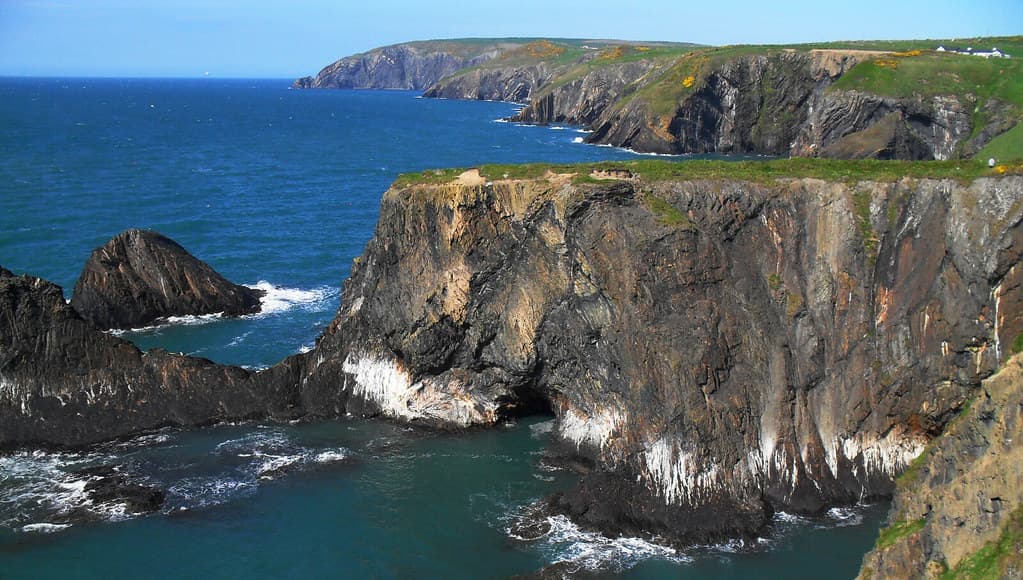
Freshwater West
Powerful swells, beautiful setting, Pembrokeshire's finest
Porthcawl
Multiple breaks, good facilities, easy access
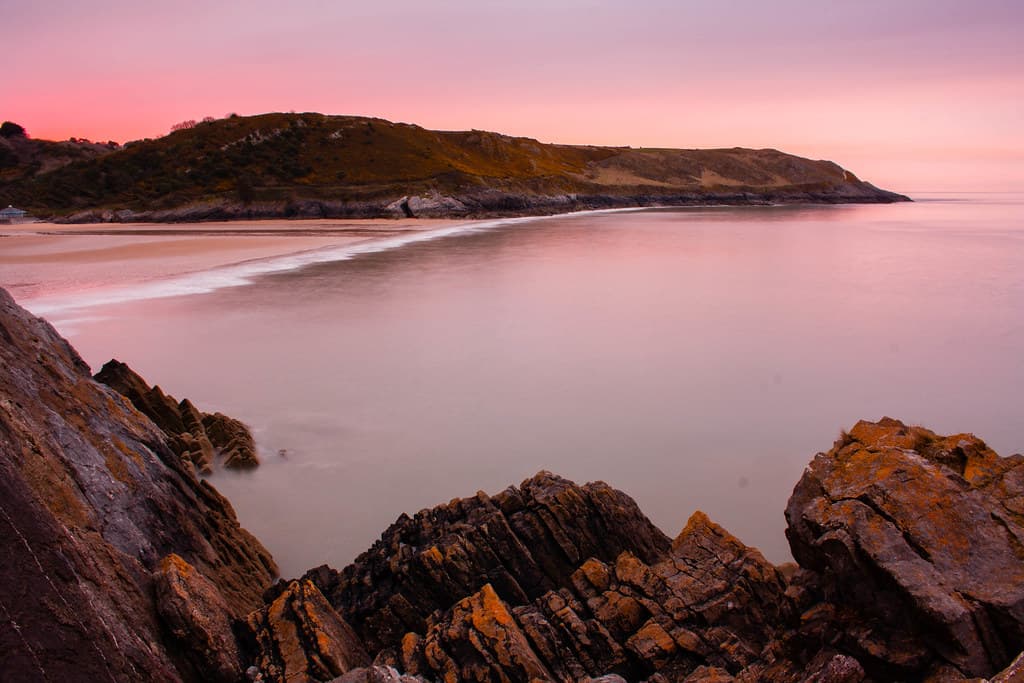
Caswell Bay
Sheltered, lifeguarded, great café
Hell's Mouth (Porth Neigwl)
Heavy beach break, powerful swells, Welsh Pipeline
Wales isn't where most people think of when they picture world-class surfing — and that's precisely its advantage. While Cornwall heaves with crowds and price-gouged car parks, Welsh breaks deliver the same North Atlantic power with a fraction of the lineups. From Pembrokeshire's reef-lined bays to the Gower's endless beach breaks and the raw exposure of Hell's Mouth on the Llŷn Peninsula, Wales offers genuinely uncrowded surf in stunning settings.
The Welsh surf scene has a proud, defiant history. In the 1960s, surfers were dismissed as "drug-taking hippies" and banned from beaches across the coast. Local communities fought back, forming protective groups that evolved into today's thriving surf clubs and schools. That grassroots spirit persists — Welsh surfing culture prioritizes wave-sharing, ocean connection, and local knowledge over commercialism. When Carwyn Williams, a Swansea coal miner's son, beat the reigning Australian World Champion in France in 1988, it put Welsh surfing on the map. Today, Wales has produced its first adaptive world champion in Llywelyn "Sponge" Williams.
The Welsh coast catches Atlantic swells from the southwest, with Pembrokeshire's exposed headlands pulling in the most consistent waves, while the Gower and Llŷn offer protection and variety. Water temperatures are cold year-round — you'll need a good wetsuit — but those chilly lineups mean empty peaks when it's firing. September to April is prime season: powerful groundswells from mid-Atlantic storms deliver overhead waves at spots like Freshwater West and Llangennith. Summer brings smaller, friendlier waves perfect for learning.
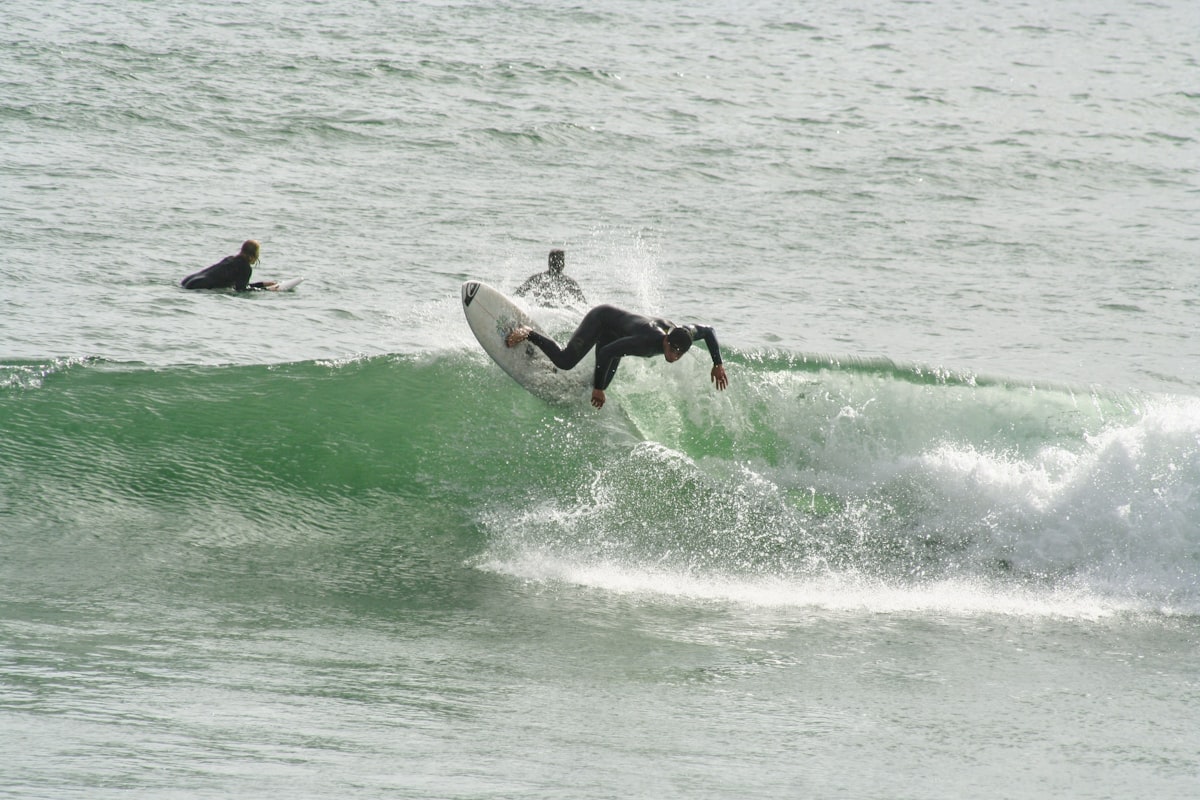
Here's the honest truth: Welsh surfing demands commitment. The water is cold, the weather is wild, and the best waves often arrive with howling storms. But when you paddle out at a deserted Pembrokeshire reef, drop into a clean Atlantic wall, and ride it with nothing but seabirds for company — you'll understand why Welsh surfers never leave.
Wales's Best Surf Spots
Compare wave types, conditions, and facilities to find your perfect break
Surf Spot | Region | Wave Type | Skill Level | Conditions | Rating | |
|---|---|---|---|---|---|---|
Freshwater West Near Pembroke | Pembrokeshire | Beach break | SW-W NE-E | 4.9 | ||
Llangennith (Rhossili) Swansea | Gower Peninsula | Beach break | SW-W NE-E | 4.8 | ||
Porth Neigwl (Hell's Mouth) Near Abersoch | Llŷn Peninsula | Beach break | SW-W N-NE | 4.8 | ||
Whitesands Bay St Davids | Pembrokeshire | Beach break | W-NW E-SE | 4.7 | ||
Manorbier Near Tenby | Pembrokeshire | Beach/reef break | SW-W N-NE | 4.6 | ||
Langland Bay Swansea | Gower Peninsula | Reef/point break | S-SW N-NW | 4.5 | ||
Newgale Near Haverfordwest | Pembrokeshire | Beach break | W-NW E | 4.4 | ||
Rest Bay (Porthcawl) Porthcawl | South Wales | Beach/reef break | SW N-NE | 4.4 | ||
Caswell Bay Swansea | Gower Peninsula | Beach break | S-SW N | 4.3 | ||
Broad Haven South Near Bosherston | Pembrokeshire | Beach break | SW-W N | 4.3 | ||
Abersoch Abersoch | Llŷn Peninsula | Beach break | SW-W N-NE | 4.3 | ||
Llantwit Major Vale of Glamorgan | South Wales | Beach/reef break | SW-S N | 4.2 | ||
Borth Near Aberystwyth | Mid Wales | Beach break | W-NW E-SE | 4.1 | ||
Tywyn Tywyn, Gwynedd | Mid Wales | Beach break | W-NW E | 4 | ||
Aberavon Port Talbot | South Wales | Beach break | W-SW E | 3.9 |
Freshwater West
Llangennith (Rhossili)
Porth Neigwl (Hell's Mouth)
Whitesands Bay
Manorbier
Langland Bay
Newgale
Rest Bay (Porthcawl)
Caswell Bay
Broad Haven South
Abersoch
Llantwit Major
Borth
Tywyn
Aberavon
Find Surf Spots Near You
Click markers to see details and get directions
Explore by Region
Each region offers a unique surfing experience
Pembrokeshire
Wales's surf capital — powerful Atlantic waves and pristine coastline
Gower Peninsula
Britain's first AONB with consistent waves and vibrant surf culture
Llŷn Peninsula
Wild, remote surf with Hell's Mouth delivering serious Atlantic power
South Wales
Urban surf access from Cardiff and Bristol with reliable beach breaks
Mid Wales
Hidden gems on Cardigan Bay — quiet breaks and mystical settings
Know Your Level
Match your experience to the right waves
Gentle whitewater and small clean waves. Forgiving conditions for learning to pop up, balance, and catch your first green waves.
Clean, lined-up waves with defined faces. You can paddle out through the break, catch unbroken waves, and perform basic turns.
Powerful, hollow waves with strong currents. Confident duck-diving, wave selection, and board control essential. Reef breaks and heavy beach breaks.
Big wave surfing requiring fitness, experience, and local knowledge. Only for seasoned surfers with rescue capability and proper safety gear.
When to Visit
Plan your trip around the seasons for the best waves
Spring
Swells easing from winter power, cleaner conditions as storms pass. Water warming slowly (10-13°C). Quieter lineups before summer rush.
April and May offer the sweet spot — good swell consistency, fewer crowds, and lengthening days. Check early morning for glassy conditions.
Summer
Smaller, gentler waves — perfect for learning. Warmest water (15-17°C). Longest days but can be flat for weeks. Peak crowds at popular beaches.
Best for beginners and improvers. Book surf lessons in advance. Chase any swell that appears — forecast carefully. Dawn and dusk sessions avoid crowds.
Autumn
Prime season! Atlantic groundswells return with cleaner offshore winds. Water still relatively warm (12-16°C). Crowds drop off dramatically after September.
September is arguably THE best month — summer water temps meet autumn swells. October and November deliver serious power. This is when Welsh surf gets world-class.
Winter
Biggest, most consistent swells. Cold water (8-11°C) and harsh weather. Short days and stormy conditions. Uncrowded — those who brave it earn their waves.
For committed surfers only. Check forecasts obsessively for clean windows between storms. Surf with a buddy. Hot chocolate in the car park is essential.
Surf Safety Essentials
Essential Safety Rules
- Always check conditions before paddling out — forecasts, tides, winds
- Surf between the black and white chequered flags (surfcraft zone)
- Never surf alone, especially at remote breaks
- Know your limits — if in doubt, don't paddle out
- Learn to identify and escape rip currents (swim parallel to shore)
- Tell someone where you're going and when you'll be back
- Respect the lineup and don't drop in on other surfers
- Carry your board leash at all times — never ditch your board
🌊 Rip Currents
Rip currents at Welsh beaches can reach 4.5mph — faster than an Olympic swimmer. If caught: stay calm, don't fight it, swim parallel to the beach, raise a hand for help. They're narrow; you'll escape within 20-30 metres of sideways swimming.
🆘 Emergencies
In emergency, call 999 and ask for the Coastguard. Many Welsh beaches have poor mobile signal — note emergency numbers on beach signage before entering the water.
What Board Do You Need?
Match your board to your skill level and conditions
Foamie (Soft-top)
Soft, buoyant beginner board. Safe for learning, stable, and forgiving. Standard for lessons.
Longboard (9ft+)
Classic, stable board for catching small waves and cruising. Elegant, traditional surfing style.
Mini-mal / Funboard (7-8ft)
Hybrid between longboard and shortboard. Good wave-catching ability with some manoeuvrability.
Fish (5-6ft)
Wide, thick, twin-fin design for speed and fun in smaller waves. Loose and playful.
Shortboard (5-7ft)
High-performance board for critical manoeuvres. Requires fitness and experience.
Gun (7-10ft)
Narrow, pointed board designed for paddling into big waves.
Wetsuit Guide for Welsh Waters
Essential Kit
Top Surf Schools in Wales
Qualified instructors, all equipment provided
Llangennith Surf School
Established school at Wales's most famous surf beach. All equipment included, qualified instructors, café and facilities.
Outer Reef Surf School
ISA-accredited school operating since 1999. Lessons at Freshwater West, Manorbier, and more. Also offers coasteering and kayaking.
Gower Surf Academy
Family-friendly lessons at sheltered Caswell Bay. After-school sessions, stag/hen parties, and private coaching available.
Ma Simes Surf Hut
Personal instruction with all equipment provided. Beginner, improver, and private lessons throughout Pembrokeshire's best beaches.
Aber Adventures
Budget-friendly lessons from £29. Also offers SUP and equipment hire. Special rates for groups and schools.
Progress Surf School
All-weather school operating at both Gower beaches. Lessons for any age, any standard. Fully qualified instructors.
Book Surfing Experiences
Lessons, surf camps, and guided sessions from local operators
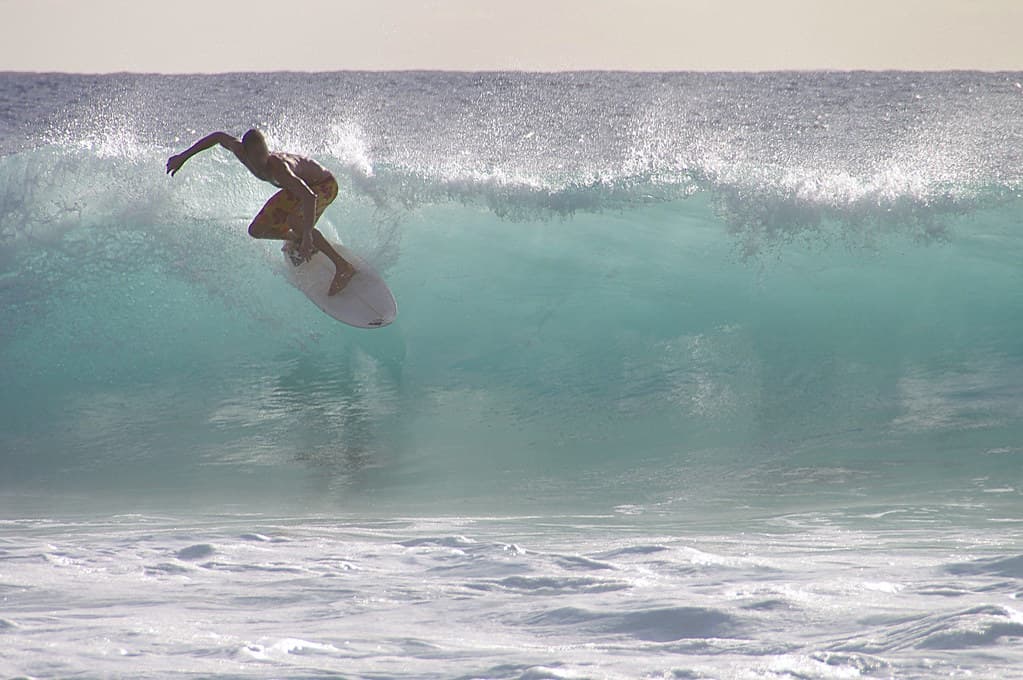
Gower Surfing Lesson
Gower
Kitesurfing Equipment Hire
Anglesey

Kitesurfing Lesson
Anglesey
Kitesurfing Lessons
Anglesey

RYA Start Windsurfing
Anglesey
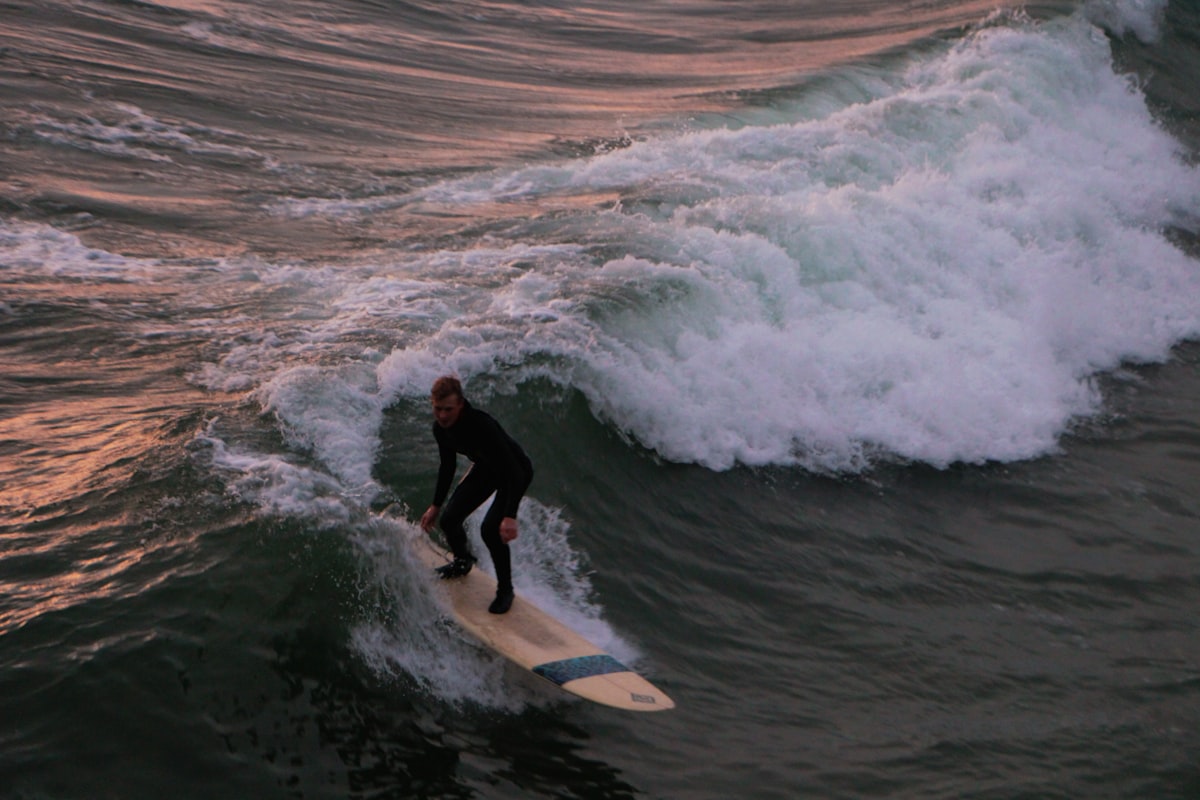
Surf Lesson
Anglesey
Surfboard Hire
Anglesey
Surfboard Rental
Mid Wales
Surfing
Llŷn Peninsula
Surfing Lesson
Pembrokeshire
Surfing Lessons
Pembrokeshire
Wetsuit Hire
Anglesey
Surf Trip Itineraries
Plan your perfect Welsh surf adventure with our curated trips
Anglesey Coastal Path Highlights
The best sections of the 125-mile loop
Anglesey Kitesurfing Weekend
Ride the wind at Rhosneigr
Coastal Wild Swimming Trail
Pembrokeshire's secret swim spots
Gower Day Trip from Cardiff
Beach adventure an hour from the city
Surfing Stories & Guides
Combine Surfing With...
Make the most of your trip with these perfect activity pairings
Surf-Friendly Accommodation
Find places to stay near Wales's best surf spots